Newsletter Subscribe
Enter your email address below and subscribe to our newsletter

Enter your email address below and subscribe to our newsletter
All voices matter
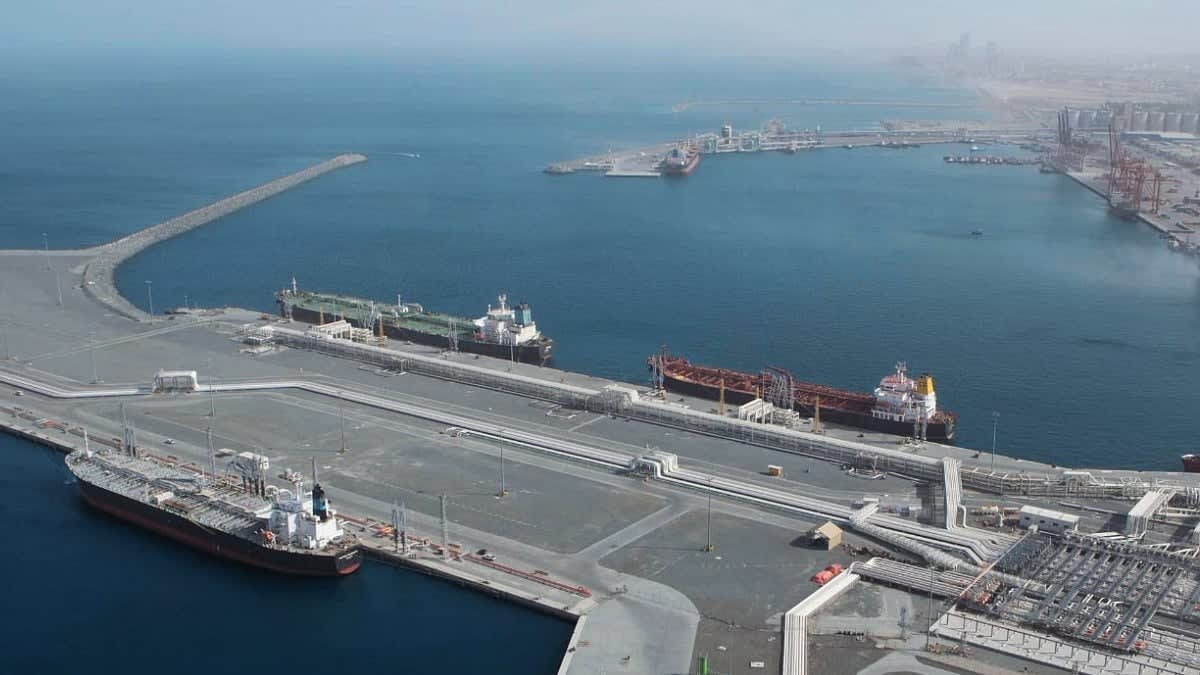
Abu Dhabi National Oil Company has instructed its term buyers to resume loading crude oil from ports inside the Persian Gulf, marking a concrete step toward normalizing maritime commerce in the region following the US-Iran agreement signed earlier this week.
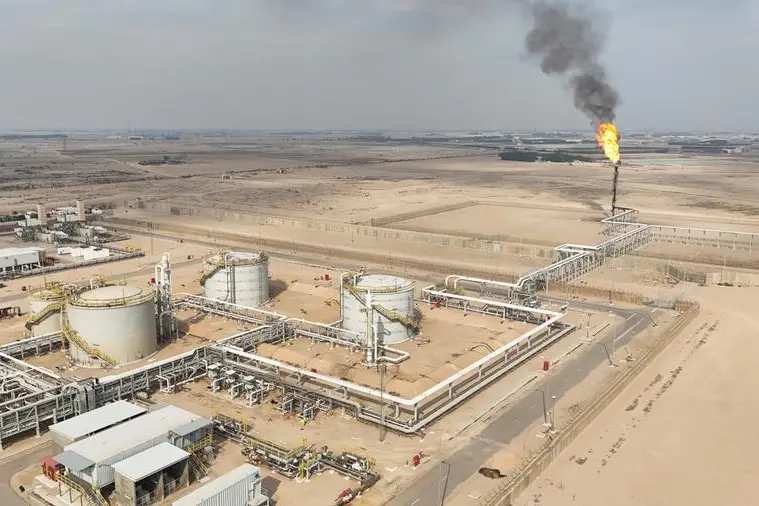
ADNOC sent a notice to customers stating that oil from its Das and Zirku island terminals, located inside the Persian Gulf, has been available for loading since April 27, according to Bloomberg reporting corroborated by multiple term lifters. The UAE state-owned producer warned that failure to pick up crude would constitute a breach of buyers’ lifting obligations.freemalaysiatoday
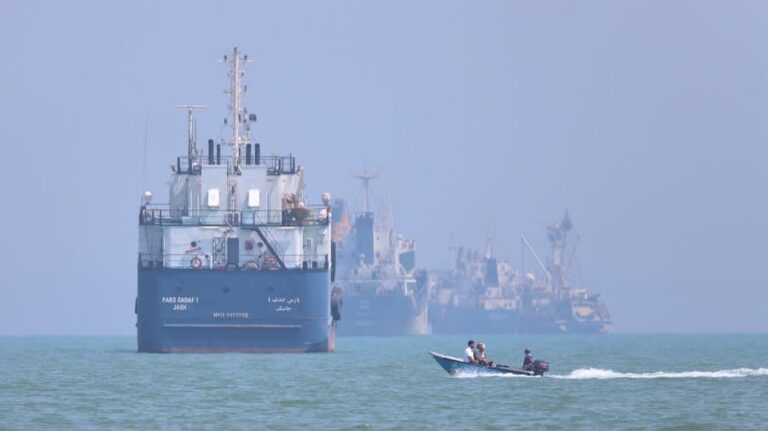
The directive reverses an arrangement put in place earlier this year when ADNOC offered clients the option of loading Das and Upper Zakum crude grades at locations outside the Gulf to circumvent the closed Strait of Hormuz. That workaround became necessary after the US and Iran imposed competing blockades on maritime traffic through the strait during their conflict.bairdmaritime
The resumption follows President Donald Trump’s signing of the US-Iran agreement at the Palace of Versailles on June 17 during a dinner hosted by French President Emmanuel Macron. Iran’s President Masoud Pezeshkian also endorsed the accord. The deal extends a ceasefire for 60 days, grants US waivers allowing Iran to resume oil exports, and commits both sides to lifting their respective blockades of the Strait of Hormuz.npr
ADNOC has already been capitalizing on the eased tensions, selling at least 30 million barrels of spot crude to Asian refiners and trading firms in June, with Indian state refiners Indian Oil Corp and Bharat Petroleum Corp purchasing a combined six million barrels.bairdmaritime
The formal signing ceremony is set for June 19 in Geneva, according to the Center for Strategic and International Studies, though the New York Times reported that attacks in Lebanon and delays in negotiations continue to test the fragile arrangement. Negotiating teams face a two-month window to finalize a permanent resolution, with key issues including Iran’s nuclear program and the status of frozen Iranian assets still unresolved. A prediction market tracked by CryptoBriefing placed the probability of Strait of Hormuz traffic fully returning to normal by July 31 at 54.5%.nytimes