






Newsletter Subscribe
Enter your email address below and subscribe to our newsletter

Enter your email address below and subscribe to our newsletter
All voices matter
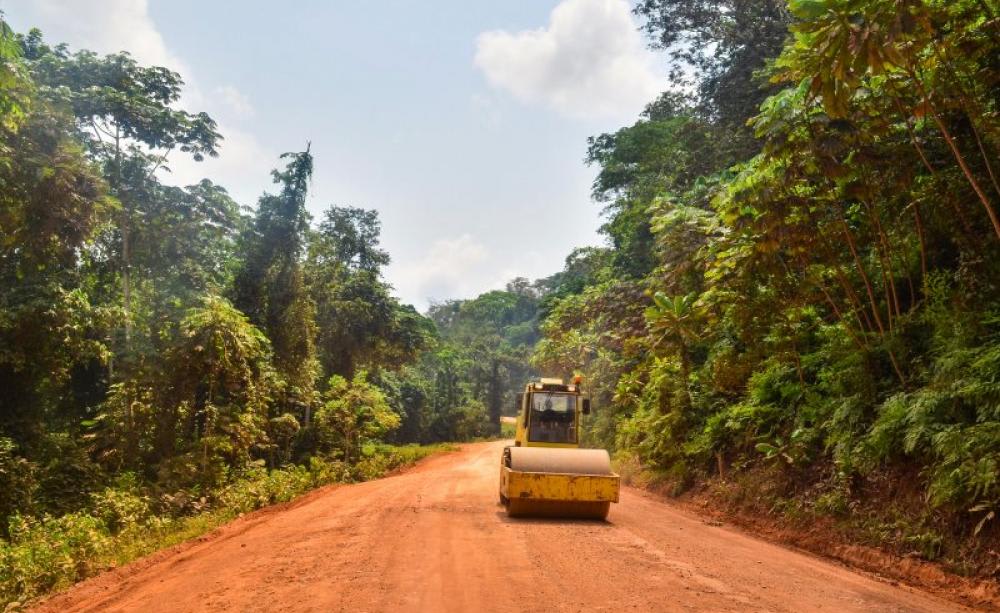
Industrial-scale mining in Africa is destroying forests at a rate far exceeding the physical footprint of the mines themselves, according to a study published in Nature this week. For every hectare of active mine site on the continent, 34 hectares of surrounding forest are lost to supporting infrastructure such as roads, housing settlements, and agricultural land to feed workers.sheffield
The University of Sheffield-led study, which also involved the University of Cambridge, found that 187,000 hectares of forest were lost to mining activity in Africa between 2001 and 2020 — an area roughly the size of Mauritius. Researchers analyzed more than 16,000 mines using satellite imagery and statistical modelling, comparing deforestation rates in mined areas to geographically similar non-mined areas.nature
Mines extracting cobalt and copper caused the highest rates of deforestation. These metals are essential components of electric vehicles, renewable energy technologies, and household electronics. Gold, silver, and iron mining also drove elevated forest loss.sheffield
“The actual mines themselves are just the tip of the iceberg,” said co-lead author Dr. Oscar Morton from the University of Sheffield’s School of Biosciences. “It’s the extent of additional deforestation triggered by mining that is far greater, with new settlements, agriculture and transport routes posing a serious threat to vital forests across the continent”.sheffield
The findings expose a tension at the heart of the clean energy transition. Africa holds the world’s largest deposits of minerals vital to green technologies, and demand for these resources is expected to grow 40-fold by 2040 as the extraction of metal ores has already quadrupled on the continent since 1970.sheffield
Professor David Edwards, Founding Director of the Centre for Global Wood Security at the University of Cambridge, said cobalt and copper cause “particularly high levels of offsite deforestation, particularly in the hyper-biodiverse rainforests of the Democratic Republic of the Congo”.cam
The researchers warned that current environmental impact assessments drastically underestimate mining’s true footprint because they consider only the immediate site, failing to account for associated infrastructure that can stretch kilometres beyond the mine itself.sheffield
Co-lead author Dr. Chris Bousfield called for “zero deforestation or no-net-loss supply chains across the mining industry,” adding: “Whilst these minerals are essential for fuelling the green energy transition, it’s vital that this does not come at the expense of the continent’s already severely diminished forest habitats”.sheffield