







Newsletter Subscribe
Enter your email address below and subscribe to our newsletter

Enter your email address below and subscribe to our newsletter
All voices matter
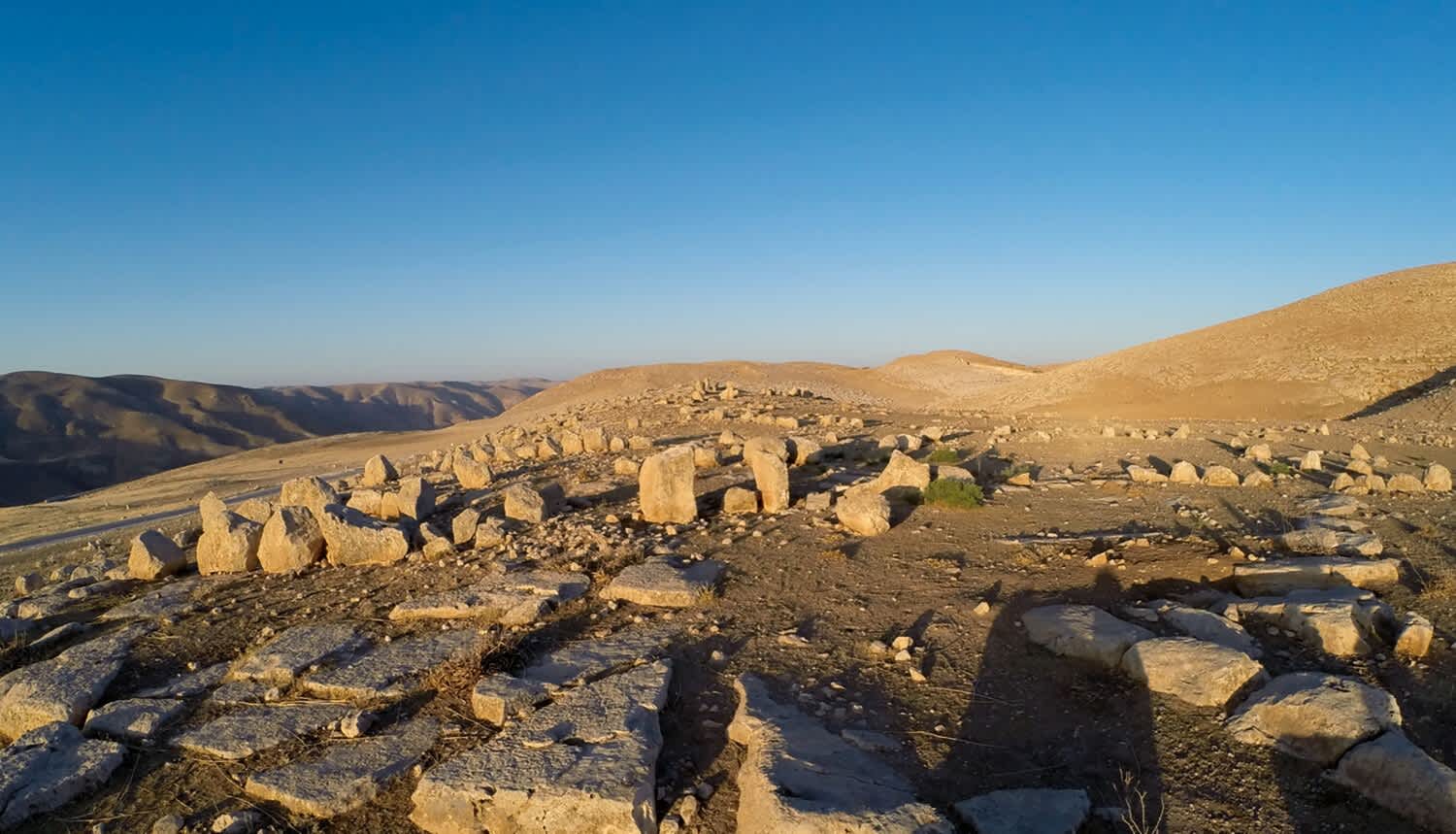
Archaeologists from the University of Copenhagen have discovered a remarkable ceremonial landscape in Jordan that reveals how ancient communities responded to social and environmental collapse 5,000 years ago. The site at Murayghat, located near Madaba, represents a dramatic shift in how Early Bronze Age societies organized themselves during times of crisis.colombiaone
The discovery, led by archaeologist Dr. Susanne Kerner, centers on a hilltop complex featuring more than 95 stone burial monuments called dolmens, standing stones, and large megalithic structures. Unlike earlier settlements that focused on domestic life, Murayghat shows virtually no evidence of permanent habitation, instead serving as a gathering place for ritual activities and communal burials.eurekalert
“Instead of the large domestic settlements with smaller shrines established during the Chalcolithic, our excavations at Early Bronze Age Murayghat show clusters of dolmens, standing stones, and large megalithic structures that point to ritual gatherings and communal burials rather than living quarters,” Kerner explained.phys
The site emerged after the decline of the Chalcolithic culture, which thrived between 4500-3500 BCE and was known for copper artifacts, symbolic traditions, and village-based living. Researchers believe climate shifts and social disruptions led to the collapse of this earlier civilization, prompting communities to develop new forms of ritual expression to maintain social cohesion.colombiaone
Excavations have revealed Early Bronze Age pottery, large communal bowls, grinding stones, flint tools, animal horn cores, and copper objects—all pointing to ritual feasting and ceremonial activities. The site’s elevated position and visibility suggest it served as a regional meeting point for different groups.eurekalert
“Murayghat gives us fascinating new insights into how early societies coped with disruption by building monuments, redefining social roles, and creating new forms of community,” Kerner noted. The research findings were recently published in the journal Levant.miragenews
The discovery adds to Jordan’s rich archaeological heritage, which includes numerous dolmen fields dating to the Early Bronze Age period across the kingdom. These megalithic monuments reflect burial traditions that may have been brought by new populations migrating into the region during this transformative period.pathsofjordan