Newsletter Subscribe
Enter your email address below and subscribe to our newsletter

Enter your email address below and subscribe to our newsletter
All voices matter
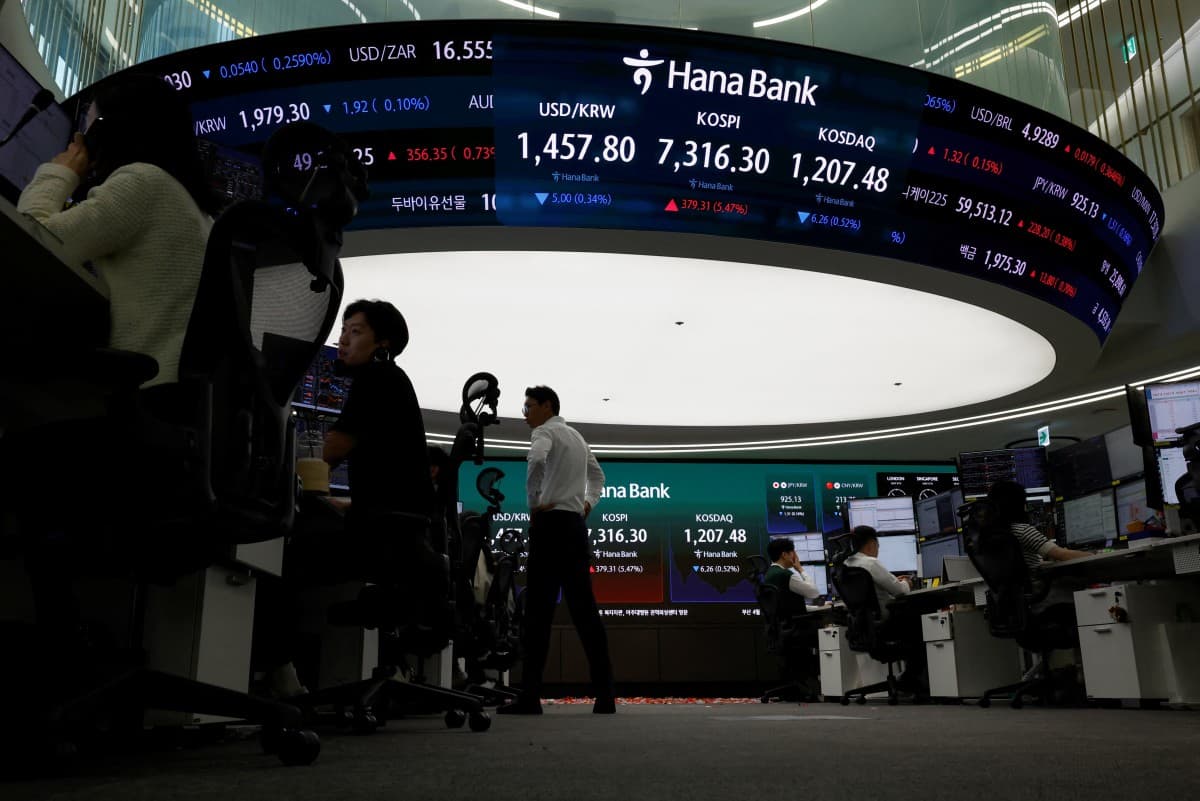
Asian equity markets fell broadly on Thursday as a deepening selloff in artificial intelligence stocks on Wall Street combined with escalating military tensions between the United States and Iran to drive investors away from risk assets across the region.
South Korea’s Kospi led regional declines, falling as much as 2.86% at the open as Samsung Electronics and SK Hynix each dropped more than 5% in early trading, though both stocks later recovered as bargain buyers stepped in. Japan’s Nikkei 225 fell 2.3%, while Hong Kong’s Hang Seng Index declined more than 1%. Taiwan’s market also came under pressure as semiconductor names including TSMC faced selling tied to both geopolitical risk and a broader reassessment of AI-related valuations.ajupress
The losses in Asia followed a sharp Wednesday session on Wall Street, where the Nasdaq Composite fell nearly 2% and the S&P 500 dropped more than 1%. The chip sector was at the center of the decline, with concerns about stretched AI valuations compounding after Broadcom delivered a softer-than-expected outlook in recent days. Oracle shares fell more than 9% in after-hours trading after the company announced plans to raise roughly $20 billion in equity and debt to fund its AI expansion.stocktwits
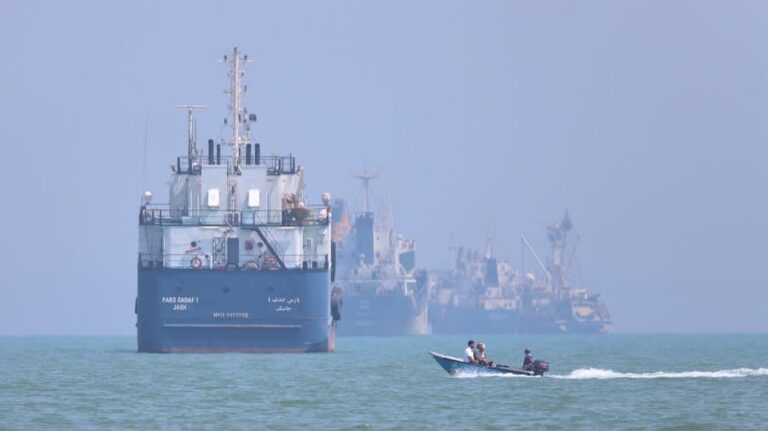
Geopolitical tensions added another layer of uncertainty. The United States launched a second consecutive day of airstrikes against Iran on Wednesday evening, with U.S. Central Command stating the operation began at 5:15 p.m. Eastern time. President Trump disclosed in a Fox News interview that 49 Tomahawk missiles were fired at Iranian targets, supplemented by fighter jet sorties, and warned strikes would resume Thursday night if Tehran did not yield in negotiations.nytimes
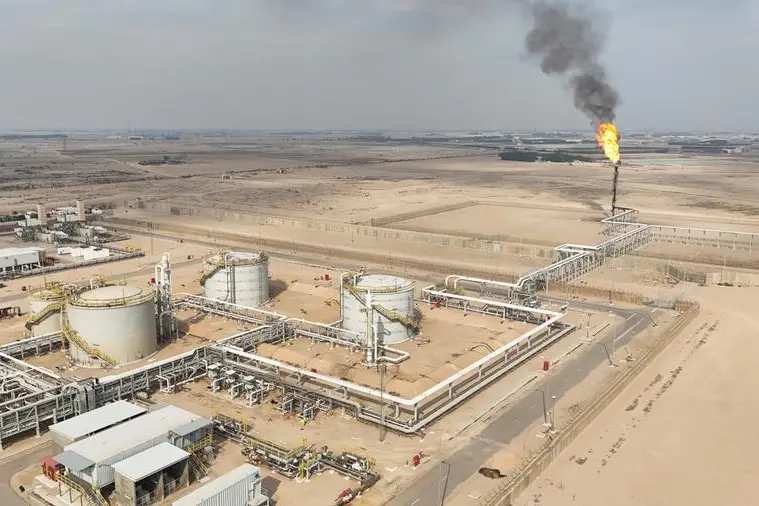
The Associated Press reported that Iran responded by firing at Gulf states and Jordan, while the New York Times described the exchange as pushing the two nations toward potential full-scale conflict. Oil prices surged on the escalation, with Brent crude holding elevated around the low $90s per barrel.apnews
Despite the grim open, some markets showed resilience as the session progressed. The Kospi recovered all of its opening losses by mid-morning in Seoul, turning positive around 10:32 a.m. local time. The rebound suggested that while headline risks remain elevated, traders are treating sharp dips as buying opportunities in a market that has posted strong year-to-date gains. Whether that confidence holds may depend on whether the US-Iran conflict de-escalates before Asian markets reopen on Friday.cnbc