





Newsletter Subscribe
Enter your email address below and subscribe to our newsletter

Enter your email address below and subscribe to our newsletter
All voices matter
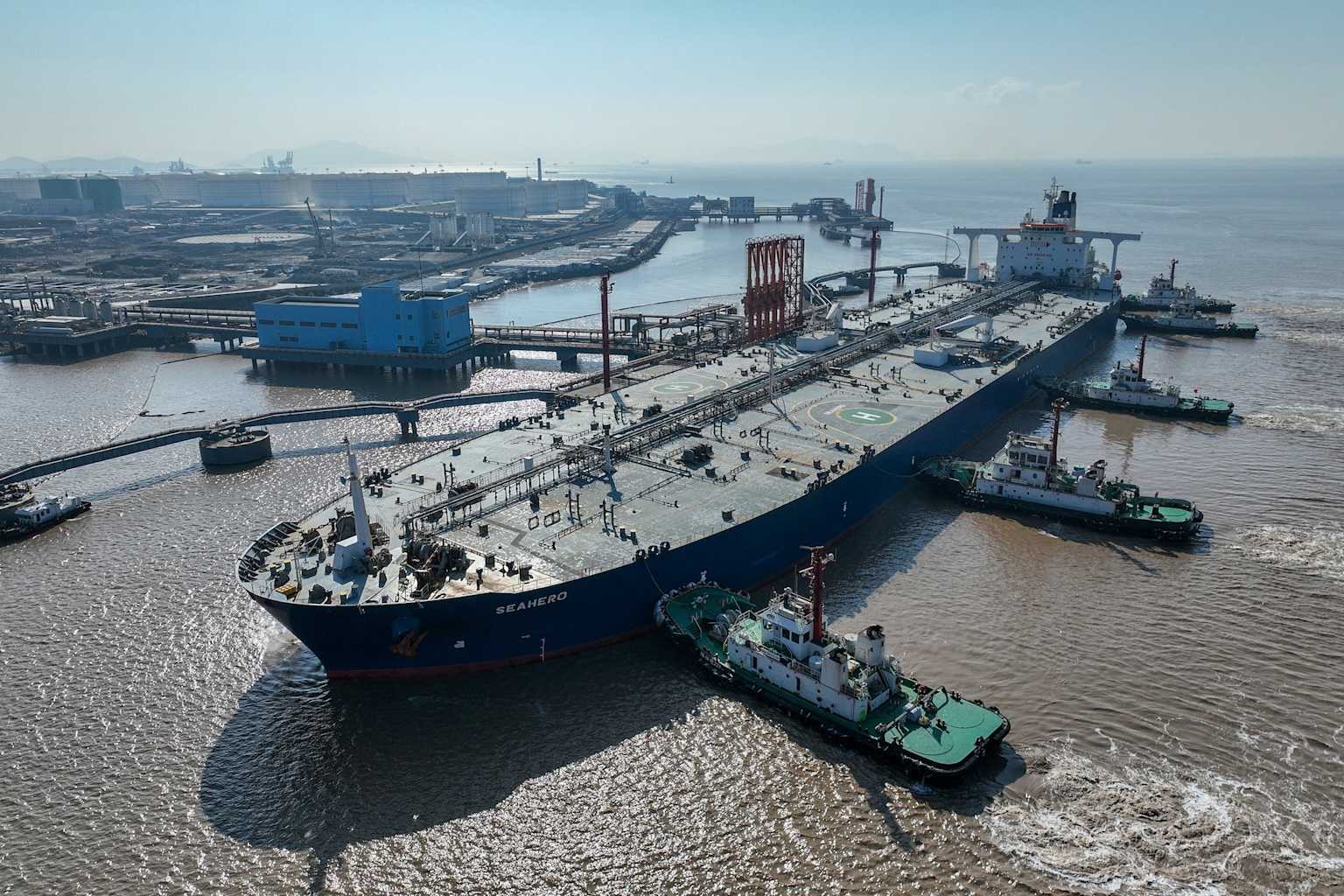
Refineries across East Asia are accelerating spot exports of diesel and jet fuel in a race to lock in elevated margins before the Strait of Hormuz reopens and a flood of Middle Eastern crude depresses global energy prices.
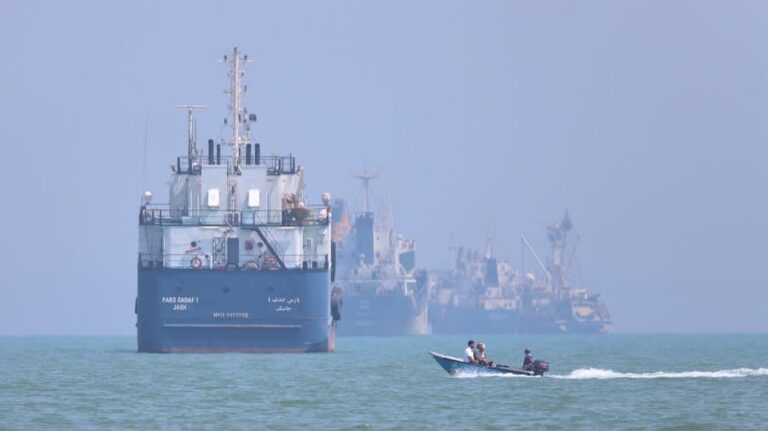
The push comes after the United States and Iran signed a 14-point agreement on Wednesday to end more than three months of conflict and reopen the strait, which carried about a fifth of the world’s oil and liquefied natural gas before the February 28 attack on Iran. Under the terms of the deal, the U.S. will lift its naval blockade and ensure traffic reaches pre-war levels within 30 days.npr
The reopening threatens to release a massive volume of stranded crude into global markets. Kpler analyst Muyu Xu estimated in a June 17 note that some 93 million barrels of non-Iranian crude remain trapped in the Persian Gulf, while traders put the figure closer to 50 million barrels given cargoes already shipped via alternative routes. An additional 72 million barrels of Iranian crude stranded on tankers west of Chabahar could also enter the market if Washington grants broader sanctions relief.internazionale
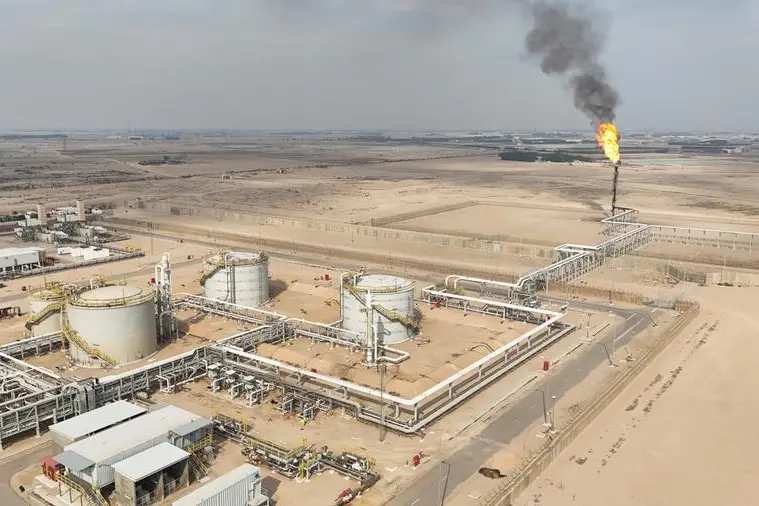
Gulf producers have already been ramping up exports through ship-to-ship transfers off the UAE and Oman, pushing spot differentials for Middle Eastern crude into discounts earlier this week. South Korean refiner SK Energy purchased 7 million barrels of Umm Lulu crude from Adnoc for June-August loading, while Japan’s Eneos bought 3 million barrels of Das crude.enterpriseam
South Korea’s refiners — the world’s largest jet fuel exporters — have been boosting distillate shipments since May, when exports rebounded to pre-war levels as crude availability improved. Reuters reported on June 17 that higher production and increased exports have helped ease concerns over the jet fuel shortfall that saw Asia’s shipments fall to just 596,000 barrels per day in April from a pre-war average of 1.54 million bpd.reuters
“Refiners are expecting profitability to be quite poor in the second half of the year,” a South Korean industry official told Reuters. “So rather than it being a matter of securing a specific crude, this is becoming a fight over economics.”internazionale
Many Chinese refiners paused spot crude purchases this week as they awaited the reopening and clarity on terms of the agreement. China’s crude imports had already plunged to 7.8 million barrels per day in May — an eight-year low — as Beijing drew down inventories and imposed export curbs on refined products to preserve domestic supply.tankterminals
Energy Aspects tracked more than 1.8 million bpd of Chinese refining capacity scheduled for maintenance shutdowns in July, and throughput is expected to slide further to about 12.4 million bpd this month before recovering in July. JPMorgan expects China to reemerge as a major crude buyer from August.internazionale
The combination of imminent supply and tepid demand suggests a bumpy transition for Asian fuel markets. As benchmark Dubai crude premiums flickered between positive and negative territory this week, the era of wartime margin windfalls appears to be drawing to a close.internazionale