







Newsletter Subscribe
Enter your email address below and subscribe to our newsletter

Enter your email address below and subscribe to our newsletter
All voices matter
A wave of public statements from banking chief executives about artificial intelligence and workforce reductions is reshaping the industry’s employment landscape, leaving staff across seniority levels questioning their futures in finance.
Bloomberg reported on Saturday that banks are increasingly tying AI efficiency directly to workforce planning rather than treating it as an experimental pilot, with senior and middle-office employees growing uneasy about their job security. The report highlighted Andre Bonnick, a student at Warwick University, who spends time practicing responses to AI-powered screening software rather than preparing for human interviewers as he tries to break into finance.bloomberglaw
The past month has seen an unusual concentration of frank remarks from top banking leaders. Goldman Sachs CEO David Solomon said in an interview this week that AI may halt the steep rise in banks’ engineering ranks, acknowledging the technology’s power to reshape Wall Street’s workforce composition.bloomberg
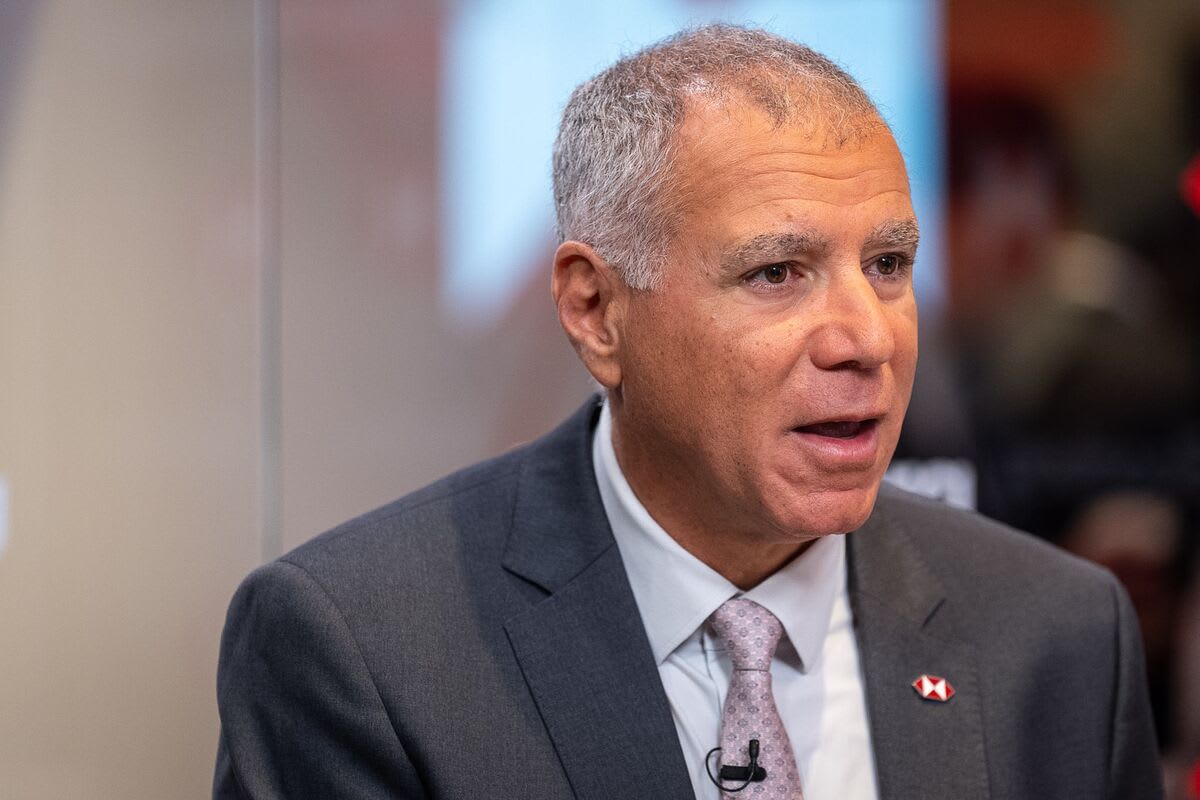
HSBC CEO Georges Elhedery told investors in late May that generative AI “will destroy certain jobs and will create new jobs,” urging employees to be “on the journey with us, not fighting us, not disenfranchised, not anxious, overwhelmed and resisting the change”. Bloomberg reported HSBC is contemplating up to 20,000 job reductions. Standard Chartered CEO Bill Winters disclosed plans to cut roughly 8,000 roles — 15% of corporate positions — by 2030, describing the move as replacing “lower-value human capital” with technology.reuters
At least 16 banking and financial services companies have announced a combined 63,000 job cuts in 2026, averaging about 5.5% of workforce per firm. Citigroup is pursuing approximately 20,000 reductions as part of an AI-led restructuring across operations, legal-document review, and internal workflows. The six largest U.S. banks collectively shed 15,000 employees while posting $47 billion in combined first-quarter profit, an 18% increase — with each crediting AI to some degree.nytimes
Employment lawyer Parsons warned that broad AI-driven layoffs in banking could carry “huge discrimination risks,” according to the Bloomberg report. A Morgan Stanley analysis found that banking, technology, and professional services sectors have already lost roughly one in twenty employees over the past year due to AI implementation, with offshore workers and entry-level staff bearing the heaviest impact.reuters
Bonnick’s experience illustrates the challenge facing aspiring finance professionals. He is considering pursuing a master’s degree to delay entering a job market increasingly shaped by AI-powered gatekeepers. Bank of New York Mellon has taken an opposing approach, tripling its intern and analyst classes since 2022 to tap younger workers’ comfort with AI. But a global survey by Oliver Wyman found more than 40% of CEOs plan to cut junior roles over the next one to two years, while only 17% plan to expand them.bloomberg