Newsletter Subscribe
Enter your email address below and subscribe to our newsletter

Enter your email address below and subscribe to our newsletter
All voices matter

The chief executive of BASF, the world’s largest chemical producer, warned on Tuesday that global oil reserves are approaching depletion after months of supply disruption caused by the Iran war, cautioning that another price shock could strike in the second half of 2026.
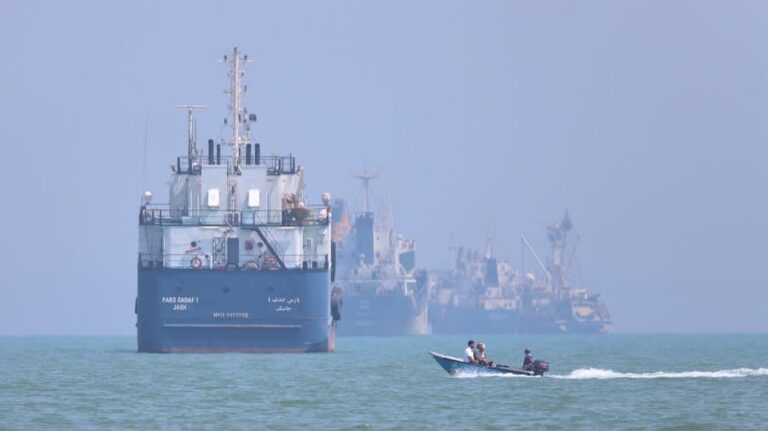
“With oil, we are now slowly reaching the point where reserves are gradually being depleted,” Markus Kamieth said at the International Club of Frankfurt Business Journalists. If the Strait of Hormuz does not reopen soon, he said, there could be “another price shock” later this year.yahoo
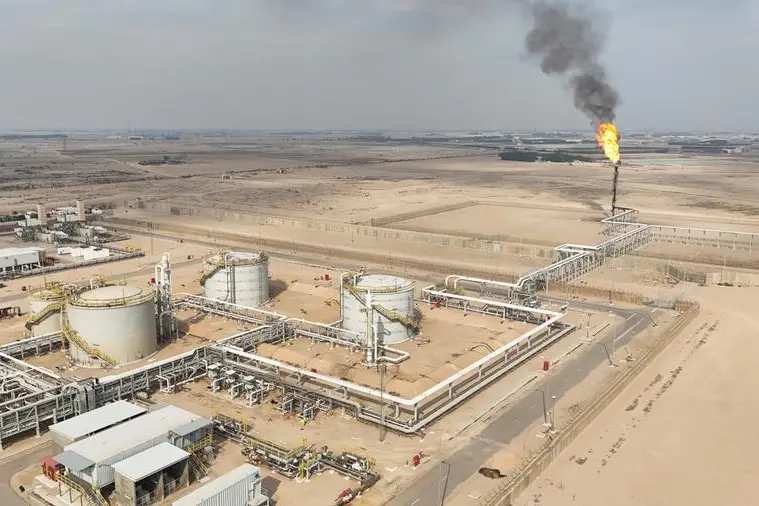
Data released Tuesday by the American Petroleum Institute showed US crude oil inventories fell for an eighth consecutive week, declining by 9.12 million barrels in the week ended June 5. The persistent draws reflect the structural tightness gripping global energy markets since the waterway effectively closed in early March following US and Israeli strikes on Iran.csis
US gasoline inventories have fallen by 47.5 million barrels since peaking above 259 million barrels in early February — the largest drawdown in EIA weekly records dating back to 1990, according to Forbes energy analyst Robert Rapier. Reuters reported that gasoline stocks stood around 211.5 million barrels as of late May, their lowest seasonal level since 2014, heading into peak summer driving demand.forbes
Kuwait Petroleum Corporation is exploring pipeline tie-ups with Saudi Arabia and the United Arab Emirates that would allow Kuwaiti crude exports to bypass the Strait entirely, according to reporting by the Financial Times and Argus Media. Sheikh Khaled Ahmad Al-Sabah, KPC’s managing director of international marketing, said Kuwait was also discussing potential oil storage facilities in Oman on the other side of the strait.iranintl
The UAE has separately accelerated its West-East Pipeline expansion to double export capacity through the port of Fujairah by 2027, Crown Prince Sheikh Khaled bin Mohamed bin Zayed announced in May. Saudi Arabia already operates the 1,200-kilometer East-West Pipeline, originally built during the Iran-Iraq War of the 1980s for precisely this scenario.aljazeera
The Brookings Institution estimated that crude flows through the Strait of Hormuz have dropped from 15 million barrels per day before the conflict to roughly 1.5 million barrels per day under the continuing US naval blockade. Kamieth warned the blockade could remove up to one-fifth of global crude supply and as much as 40 percent of refined products from the market.ad-hoc-news
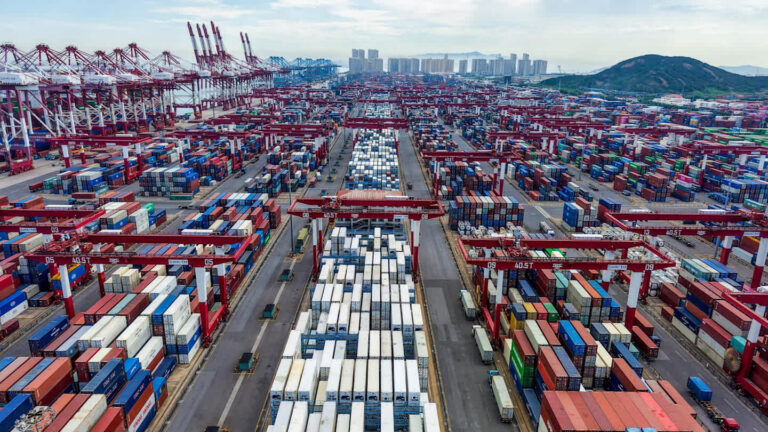
With Brent crude already near the $100-a-barrel threshold and China’s crude imports down 29 percent in May, the global economy faces a tightening vise between depleting inventories and constrained supply routes — one that industry leaders say will only worsen as the year progresses.reuters