Newsletter Subscribe
Enter your email address below and subscribe to our newsletter

Enter your email address below and subscribe to our newsletter
All voices matter
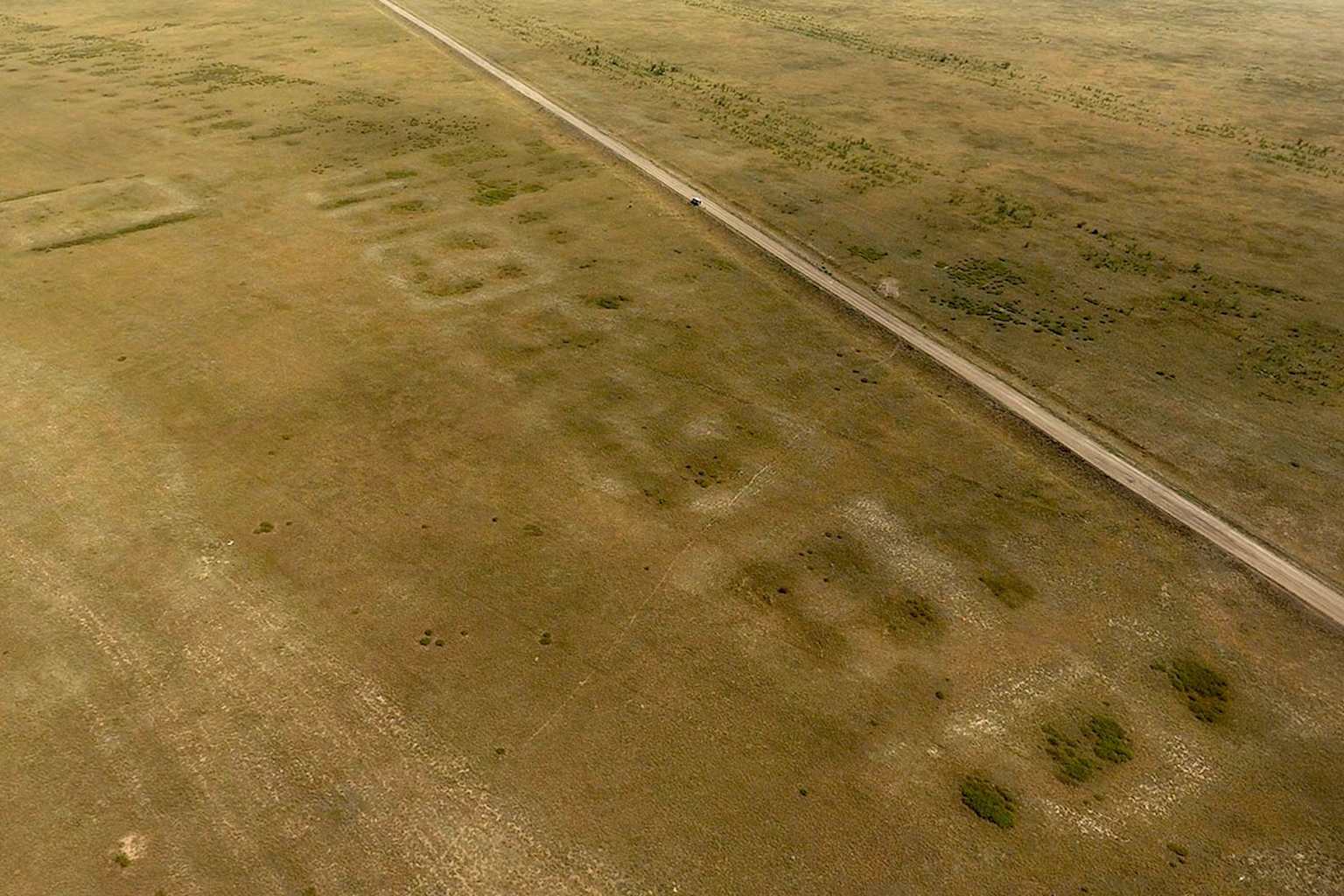
An international team of archaeologists has uncovered the remains of Semiyarka, a vast Bronze Age settlement in northeastern Kazakhstan that challenges longstanding assumptions about prehistoric steppe societies. The 140-hectare city, dating to around 1600 BC, reveals that nomadic communities were capable of building permanent urban centers with large-scale industrial production.phys
The discovery, published in the journal Antiquity, was led by researchers from University College London, Durham University, and Kazakhstan’s Toraighyrov University. Perched on a promontory above the Irtysh River and overlooking a network of seven valleys, the site has been nicknamed the “City of Seven Ravines”.ssbcrack
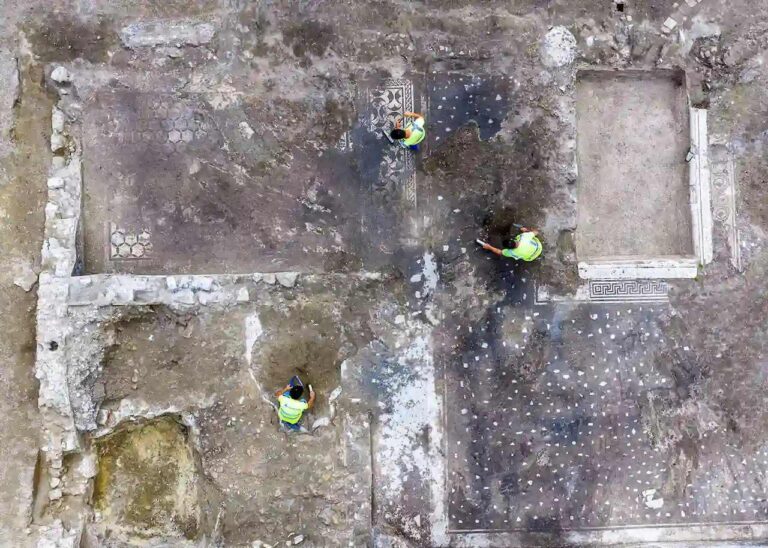
Unlike the scattered camps and small villages typically associated with mobile steppe populations, Semiyarka featured rectilinear earthworks, enclosed household compounds with multiple rooms, and a central structure twice the size of ordinary dwellings that may have served ritual or governmental functions. “The scale and structure of Semiyarka are unlike anything else we’ve seen in the steppe zone,” said Professor Dan Lawrence of Durham University.phys
Most notably, excavations revealed an industrial zone dedicated to tin bronze production—a rare discovery in the Eurasian Steppe. Researchers unearthed crucibles, slag, and tin bronze artifacts, providing the first firm evidence that steppe metallurgists operated complex production systems rather than small-scale workshops. “It demonstrates that mobile communities were capable of building and sustaining permanent, well-organized settlements centered on large-scale metallurgical production,” said Dr. Miljana Radivojević of UCL, the study’s lead author.newscientist
The city’s strategic location near major copper and tin deposits in the Altai Mountains positioned it as a crucial node in Bronze Age metal networks connecting Central Asia with the broader continent. Analysis suggests tin may have been transported approximately 300 kilometers from the eastern Altai Mountains, either by travelers across the steppes or via boat along the Irtysh River.phys
Archaeological evidence indicates the Alekseevka-Sargary people predominantly inhabited Semiyarka, with pottery shards and other items suggesting trade with the more nomadic Cherkaskul people. Professor Lawrence noted that “the Irtysh River functioned as a bustling transportation corridor, essentially laying the groundwork for the Silk Roads”.newscientist
Dr. Viktor Merz of Toraighyrov University, who first discovered the site in the early 2000s, expressed enthusiasm about the collaboration: “Working with colleagues from UCL and Durham has brought new methods and perspectives”. The research was funded by the British Academy, Kazakhstan’s Ministry for Science and Higher Education, and the ERC-awarded DREAM Project.miragenews