




Newsletter Subscribe
Enter your email address below and subscribe to our newsletter

Enter your email address below and subscribe to our newsletter
All voices matter
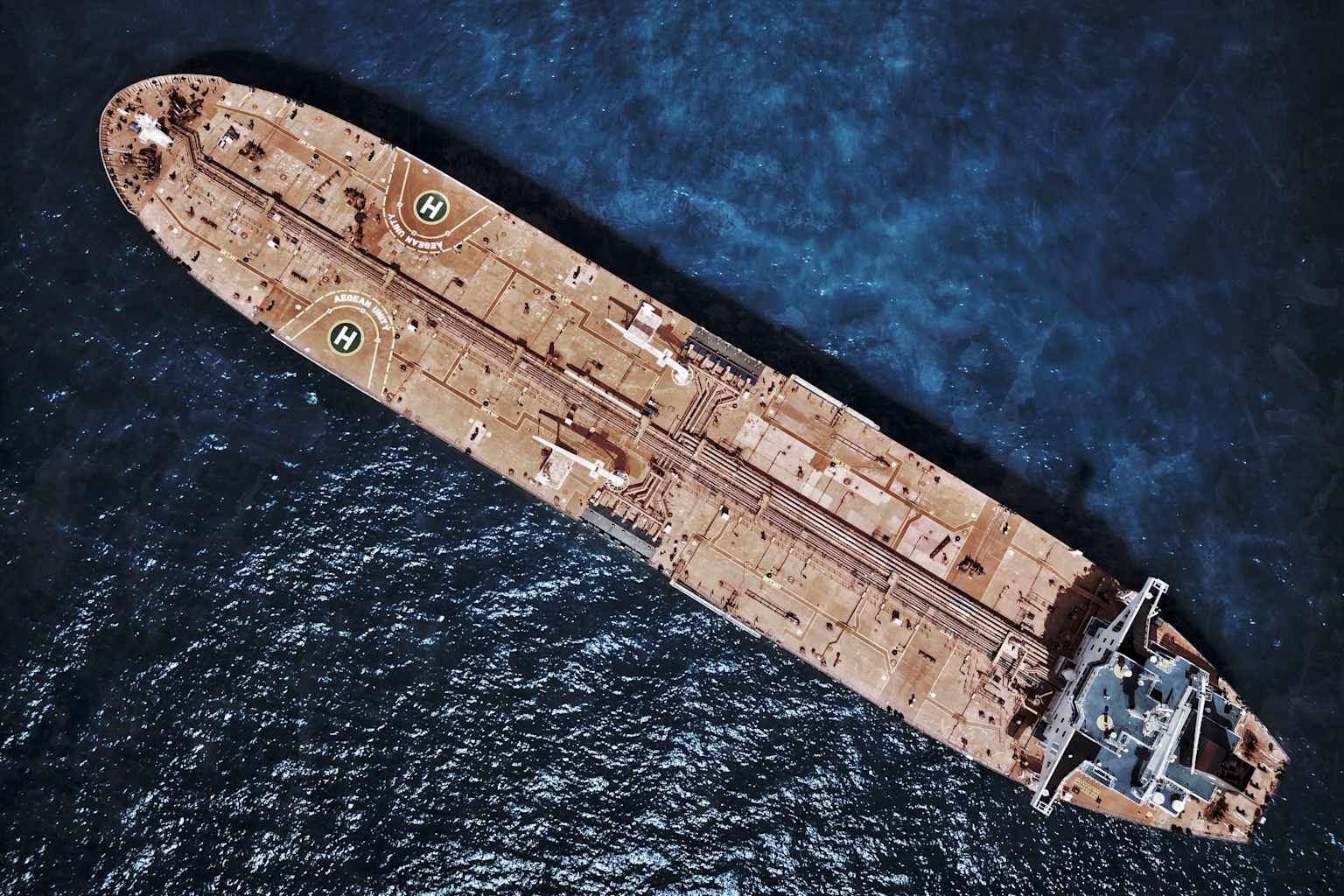
The Brussels-based think tank Bruegel published an analysis on June 15 warning that Europe faces the risk of physical shortages of oil products in the coming months — not merely higher prices — and that the global oil market could remain undersupplied well into 2027 even if the Strait of Hormuz reopens.2eu
The report, authored by Thomas Mramor, Alexander Roth, Simone Tagliapietra, and Georg Zachmann, argues that restarting production, reopening oil fields, moving workers, and relocating hundreds of tankers from other trade routes could take many months, while shipping companies and producers would need to regain confidence in the region’s stability before resuming operations.gbfinancemag
The effective closure of the Strait of Hormuz following the U.S.-Israeli attack on Iran on February 28, 2026, has created what Bruegel calls the largest energy supply shock in history. Citing International Energy Agency estimates, the report states that oil supply from the affected region remains 14.4 million barrels per day below pre-war levels, while global oil supply is 12.8 million barrels per day short. Cumulative losses have exceeded one billion barrels.bruegel
For the European Union, the problem is compounded by near-total dependence on oil imports — 97 percent of its crude oil consumption is imported, and oil accounted for 38 percent of the EU energy mix in 2024. Tanker-based oil product arrivals to the EU have declined consistently since mid-March, falling in April as much as 50 percent below the previous five-year average. Jet fuel stocks in the Amsterdam-Rotterdam-Antwerp hub have fallen to less than 70 percent of their five-year average.gbfinancemag
Bruegel is sharply critical of European governments’ response so far. More than €11 billion has been committed to cushion the impact of higher oil prices, but 72 percent of these measures are untargeted — including general excise duty or VAT cuts — which the authors say risk sustaining consumption during a period of scarcity.bruegel
The think tank recommends halting new untargeted fuel subsidies, preparing an EU-wide plan for coordinated oil-demand reduction modeled on the gas demand reduction targets used during the 2022–2023 energy crisis, and avoiding further releases of emergency oil stocks solely to cap prices. In the longer term, Bruegel urges the EU to accelerate its clean energy transition and electrification to reduce vulnerability to external supply shocks.gbfinancemag
The analysis adds to growing concern from energy analysts about the durability of the supply disruption. Wood Mackenzie warned in May that more than 11 million barrels per day of Gulf crude production remains curtailed, with oil and LNG supply shortages persisting through the third quarter of 2026. Reuters reported in April that eight analysts expected oil demand to outpace supply by 750,000 barrels per day on average this year.woodmac
“Even if the conflict concludes by early June,” the IEA stated in its May report, “the market will remain significantly undersupplied until end of third quarter” of 2026.reuters