







Newsletter Subscribe
Enter your email address below and subscribe to our newsletter

Enter your email address below and subscribe to our newsletter
All voices matter
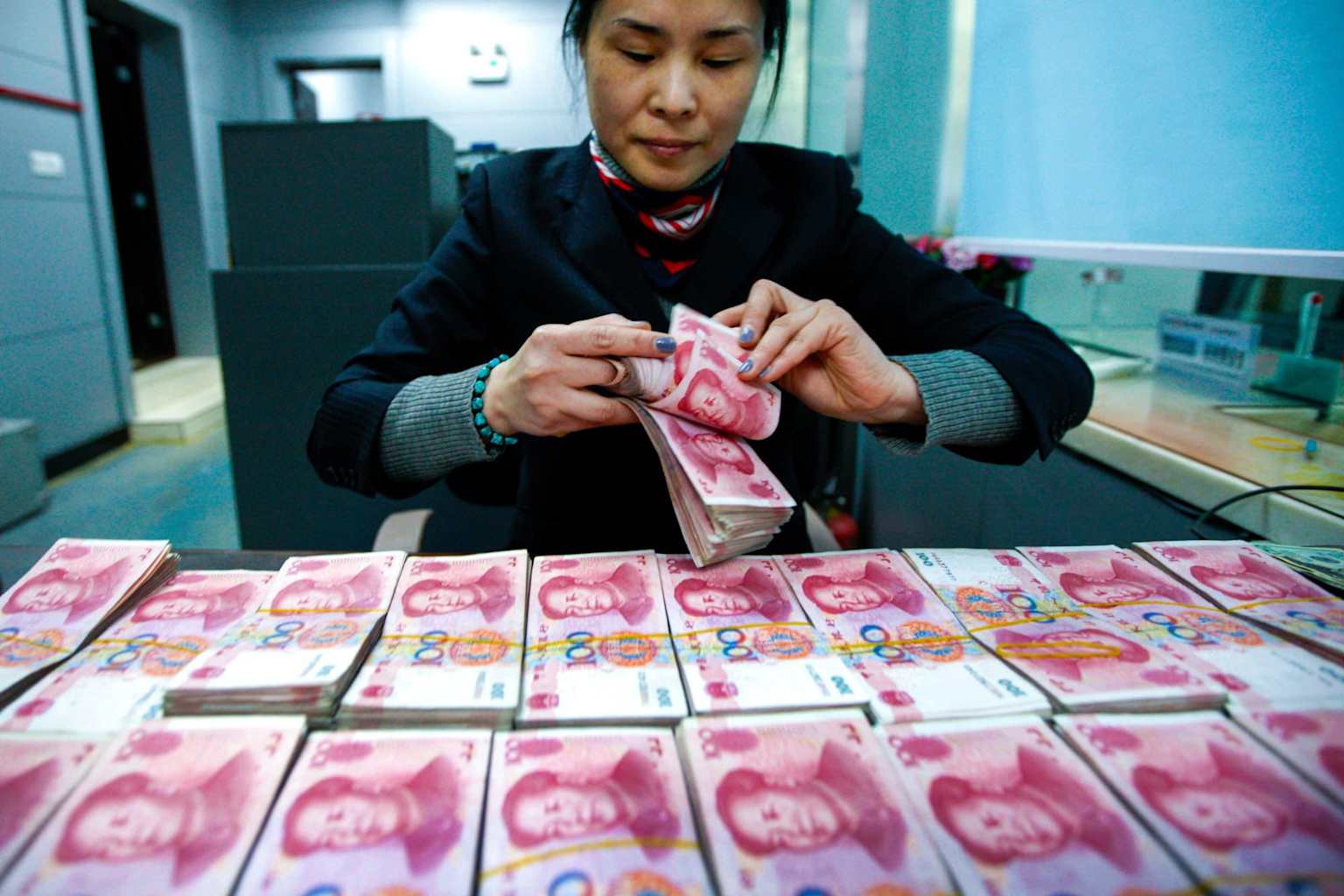
China’s Ministry of Finance sold 15 billion yuan ($2.2 billion) in sovereign bonds in Hong Kong on Tuesday, drawing strong demand from global investors who have turned to Chinese government debt as a rare source of stability amid the geopolitical turmoil triggered by the Iran conflict.
The offering, China’s third offshore yuan bond sale of 2026, attracted total bids of nearly 58 billion yuan across four tranches — two-year, three-year, five-year, and 10-year maturities — resulting in an overall subscription ratio of 3.86 times, according to data published by the Hong Kong Monetary Authority. The two-year tranche carried a coupon rate of 1.38%, while the 10-year bonds were priced at 1.87%. All tranches traded above par at settlement, indicating investors were willing to accept even lower effective yields to secure the paper.hkma
The sale follows a pattern of declining yields on Chinese sovereign debt issued offshore. In February, Beijing sold 14 billion yuan of bonds in Hong Kong at the lowest yields in more than a decade, with that offering oversubscribed 3.94 times, according to Bloomberg.bloomberg
Since the Iran conflict erupted earlier this year, benchmark sovereign yields have risen by 35 to 60 basis points in the United States, United Kingdom, Europe, and Japan, while comparable Chinese government bond yields have actually fallen by 8 basis points, Reuters reported. China’s 10-year yield stood at roughly 1.75% as of Tuesday, well below Japan’s and a fraction of Western equivalents.reuters
Matthias Dettwiler, head of active fixed income at UBS Asset Management, told Reuters that the near-zero correlation between Chinese government bonds and European interest rates “adds to its appeal,” noting that for investors prioritizing capital preservation, “the absolute yield becomes less significant”.reuters
China’s insulation stems from its large strategic petroleum reserves, diversified energy mix, and persistently weak consumer demand that has kept inflation subdued — conditions that allow the People’s Bank of China to maintain a dovish stance even as other central banks face pressure to tighten policy.cnbc
The surge in demand for yuan-denominated assets has a side effect: tightening offshore yuan liquidity in Hong Kong. The HKMA doubled its RMB Business Facility to 200 billion yuan in February to meet growing demand, but the wave of bond purchases continues to strain the pool of available currency. Hong Kong authorities and the HKMA have been working to expand yuan supply channels as the city cements its role as the world’s largest offshore renminbi trading hub.scmp