






Newsletter Subscribe
Enter your email address below and subscribe to our newsletter

Enter your email address below and subscribe to our newsletter
All voices matter
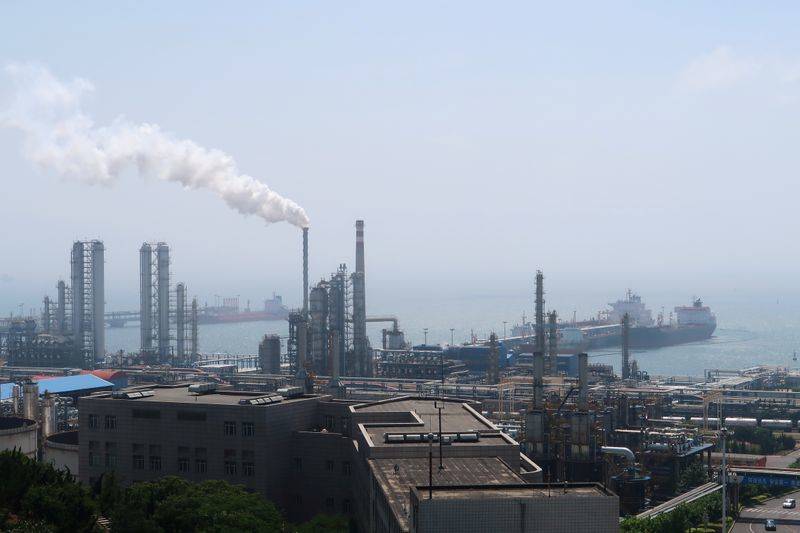
Chinese oil refiners have postponed two major projects that were expected to add 500,000 barrels per day of new refining capacity this year, as the ongoing closure of the Strait of Hormuz continues to disrupt crude oil supplies from the Middle East, Reuters reported on Monday.reuters
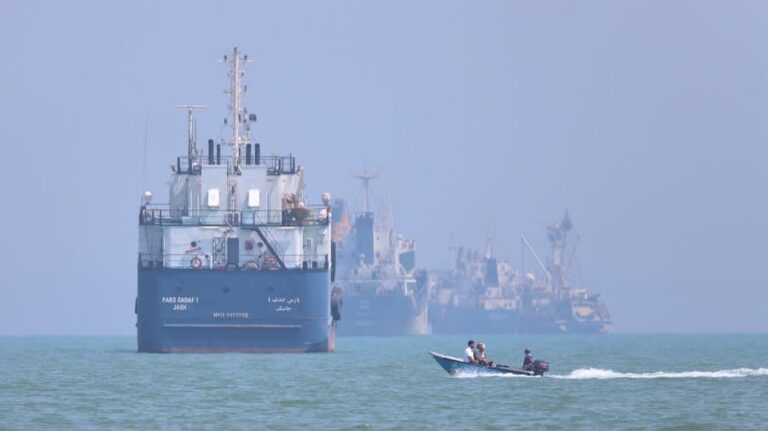
The delays mark one of the first major downstream consequences of the Iran conflict to hit outside the Gulf region, underscoring how the blockade — now in its fourth month — is reshaping energy investment decisions across Asia.
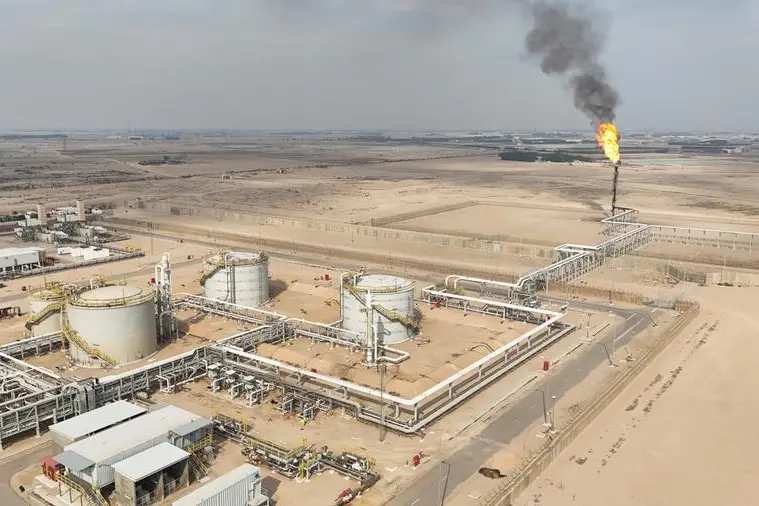
Huajin Aramco Petrochemical Company (HAPCO), a joint venture between Saudi Aramco, China’s NORINCO Group, and Panjin Xincheng Industrial Group, has pushed the startup of its 300,000-bpd refinery in Panjin, Liaoning province, from a target of May or June to September or October, according to five people familiar with the matter. The $10 billion integrated refining and petrochemical complex had been China’s only major new refining addition planned for 2026. Aramco is expected to supply up to 210,000 bpd of crude feedstock to the facility under a long-term agreement.1027wbow
Separately, PetroChina has indefinitely postponed plans to restart a 200,000-bpd crude distillation unit at its Dalian refinery. The unit had been shut down as part of a broader restructuring, with a restart initially anticipated around mid-2026 to process discounted Russian crude.oilprice
The deferrals reflect a worsening supply picture for Chinese refiners. China’s crude imports fell to 6.36 million barrels per day in May, down from 11.39 million bpd in February — a decline of more than 44%, according to Kpler data cited by Reuters. Refinery throughput has remained near 13.5 million bpd, with the gap filled by inventories that analysts estimate reached roughly 1 billion barrels before the conflict began.oilprice
The Strait of Hormuz has been largely blocked since late February, when the United States and Israel launched airstrikes on Iran. The U.S. Energy Information Administration estimated in May that Middle Eastern supply reductions peaked at 10.8 million bpd, calling it the largest oil supply disruption in history.reuters
The capacity delays add to growing concern that the conflict’s effects will outlast the immediate supply disruption. Wood Mackenzie warned in May that oil and LNG supply shortages could persist through the third quarter, potentially driving a shallow global recession in the second half of 2026. With temporary buffers such as strategic reserves being drawn down, the Brookings Institution estimated that by mid-July the full extent of those buffers will be exhausted, leaving a market adjustment of 7.1 million bpd — roughly 16% of global crude trade — still to be absorbed.woodmac