







Newsletter Subscribe
Enter your email address below and subscribe to our newsletter

Enter your email address below and subscribe to our newsletter
All voices matter
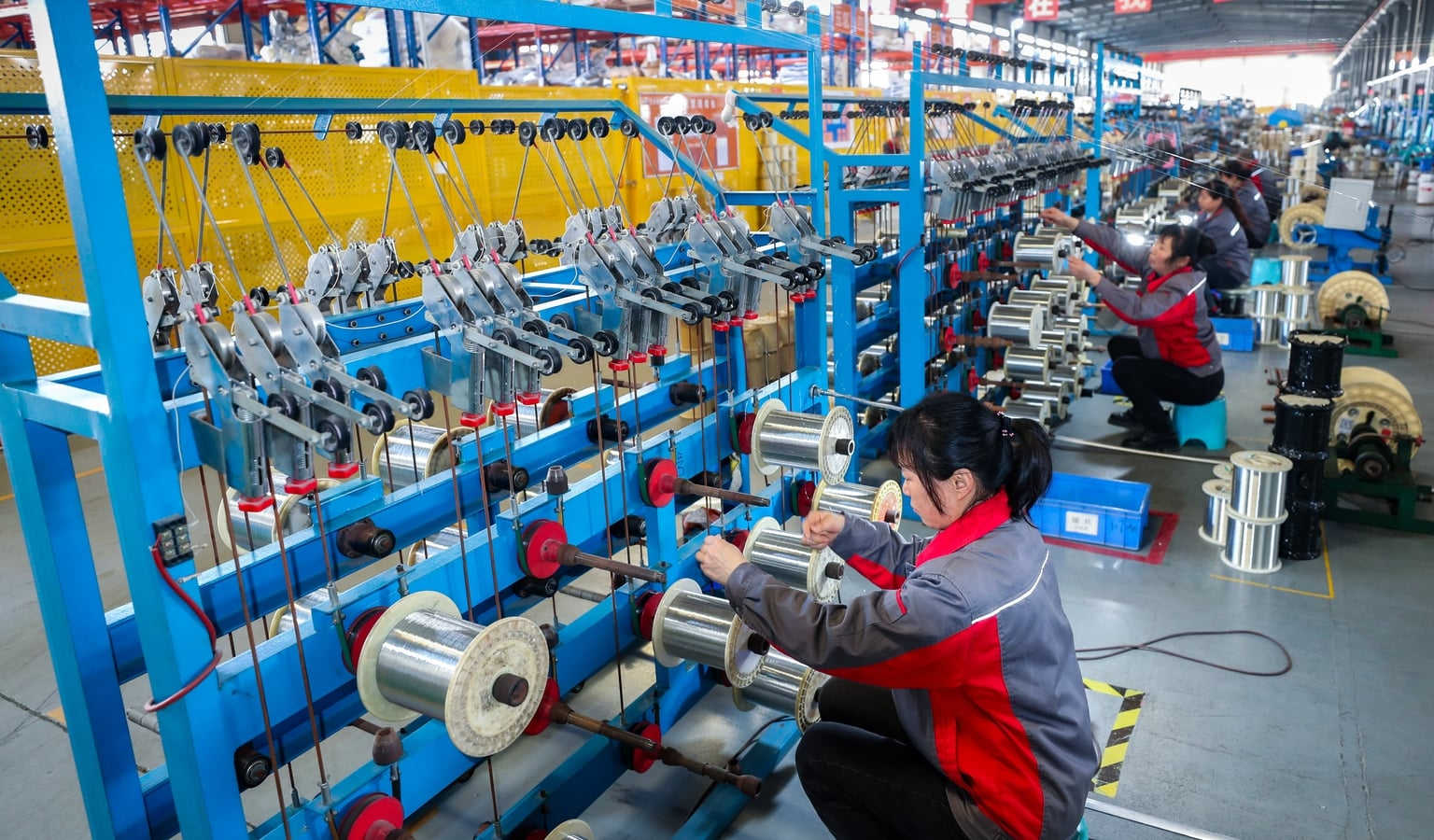
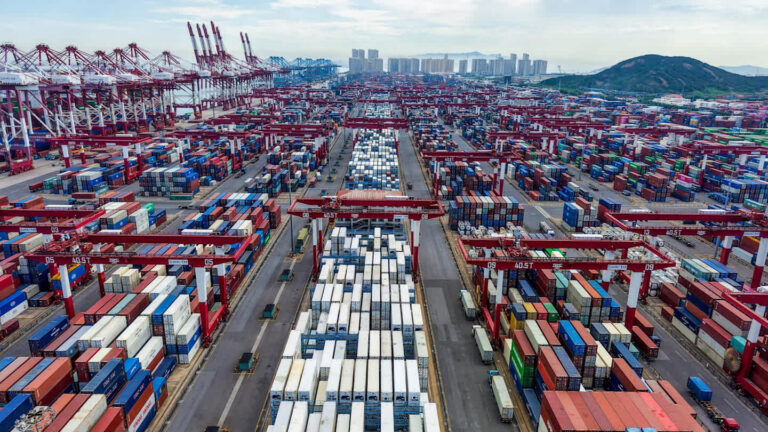
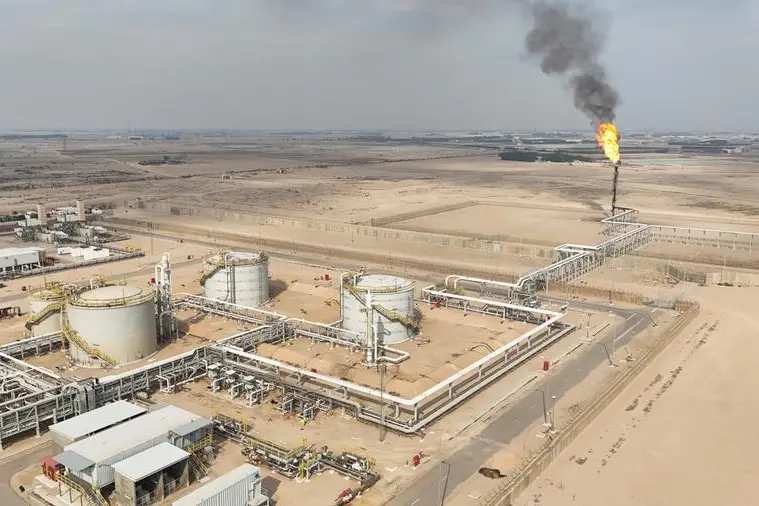
China’s producer prices rose for a third consecutive month in May, reaching their highest level since July 2022, as elevated global energy costs driven by the conflict in Iran continued to push up manufacturing expenses and household living costs.
The producer price index climbed 3.9% from a year earlier, data from the National Bureau of Statistics showed on Wednesday, beating the 3.8% increase forecast in a Reuters poll and accelerating from April’s 2.8% gain. On a month-to-month basis, the PPI rose 0.5%, easing from the 1.7% jump recorded in April.reuters
Factories saw purchasing costs for fuel and power jump 10% year-on-year in May, more than doubling from the 4.4% increase in April, according to CNBC. Consumer prices rose 1.2% year-on-year but missed the 1.3% forecast, while gasoline prices for consumers surged 23.5% from a year earlier. The core CPI, excluding food and energy, edged up 1.1%.cnbc
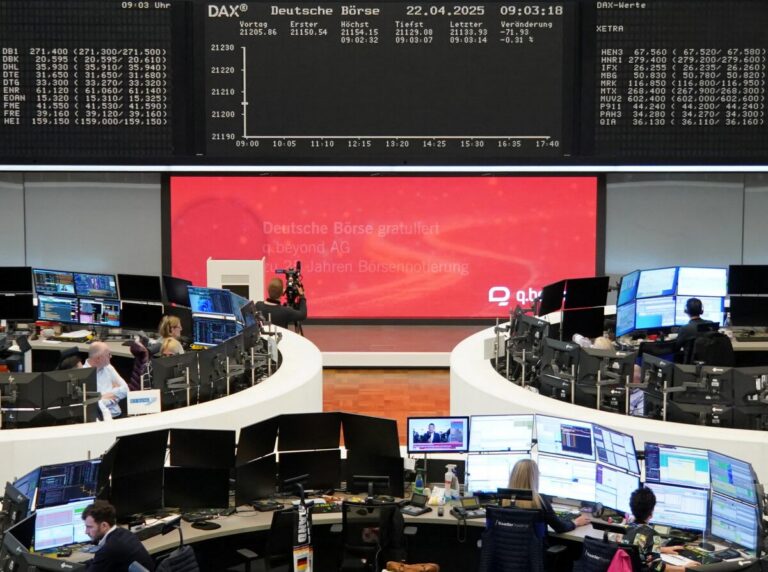
The Shanghai Composite fell following the data release, losing around 0.5% on Wednesday. The index opened down 0.62% at 3,985.12 points. The retreat reversed gains from the previous session as investors weighed the implications of persistent cost pressures on corporate margins and monetary policy flexibility.china
Across the region, Japan reported its own wholesale inflation accelerating at the fastest pace in three years. The corporate goods price index rose 6.3% year-on-year in May, exceeding forecasts of 5.5% and up from a revised 5.3% in April, Bank of Japan data showed. The broadening price pressures added to the case for the BOJ to raise its policy rate to 1% from 0.75% at its June 15-16 meeting.wtvbam
According to a Reuters poll published Tuesday, a majority of economists expect the Bank of Japan to hike rates this month, with over three-quarters forecasting a further increase to 1.25% by year-end. Markets are pricing in roughly a 97% probability of a 25-basis-point increase. A move to 1% would bring Japanese borrowing costs to their highest since 1995.reuters