Newsletter Subscribe
Enter your email address below and subscribe to our newsletter

Enter your email address below and subscribe to our newsletter
All voices matter
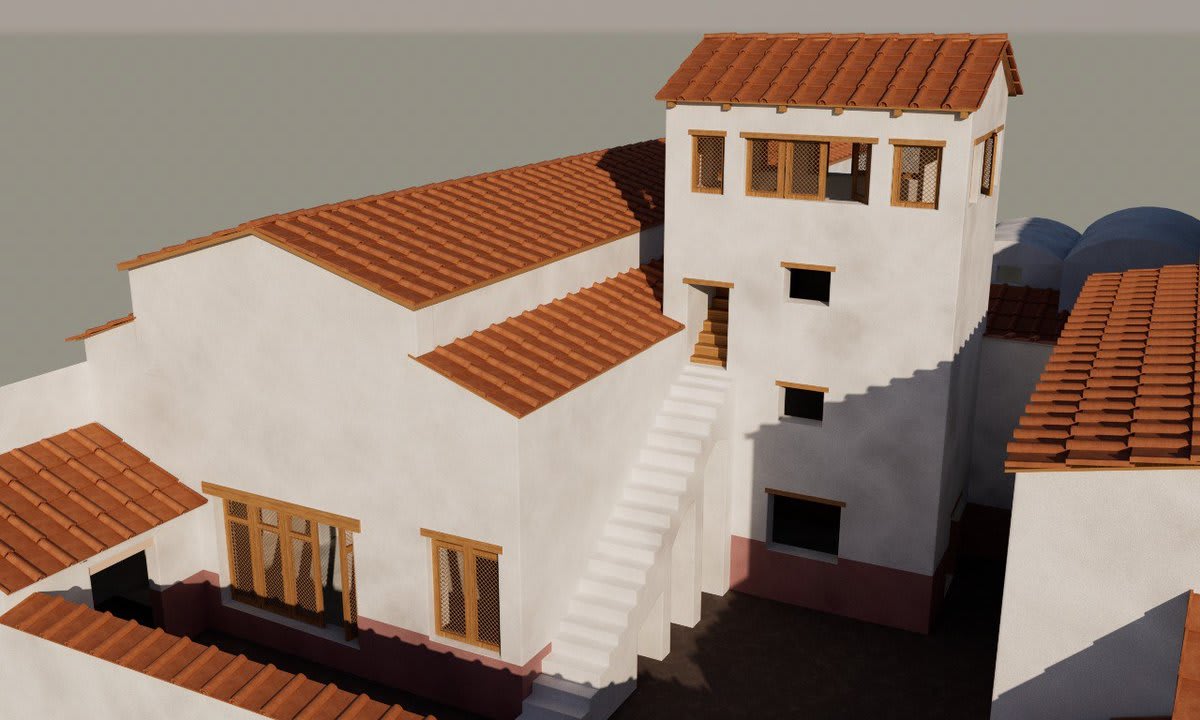
Archaeologists have unveiled a previously unknown tower atop an ancient Roman villa in Pompeii, using advanced digital reconstruction techniques that are revealing architectural features lost for nearly 2,000 years. The discovery, published this week in the eJournal of Pompeii Excavations, offers new insights into how the city’s elite displayed their wealth and power before Mount Vesuvius buried the settlement in AD 79.thedebrief
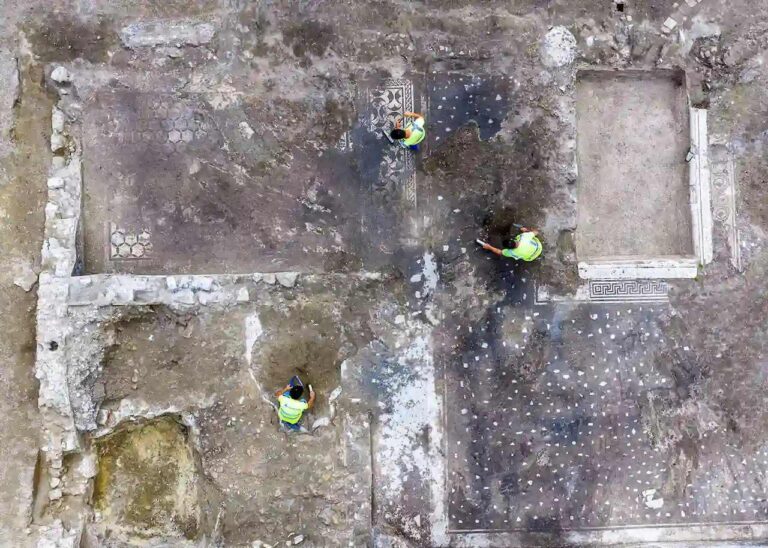
The breakthrough came when researchers investigating the Casa del Tiaso, or House of Thiasus, noticed a grand stone staircase that appeared to lead nowhere. Using LiDAR scanning, close-range photography, and photogrammetry, the team from the Archaeological Park of Pompeii and Humboldt University of Berlin digitally reconstructed a 12-meter tower that once crowned the luxurious residence.cnn
The Pompeii Reset project, launched in February 2025, aims to digitally document and reconstruct the upper floors of Pompeii’s buildings that deteriorated after the eruption. “By reconstructing the lost architecture, we develop a more nuanced and historically precise understanding of the ancient city and its inhabitants,” according to Dr. Susanne Muth, co-lead author and professor at Humboldt University’s Institute for Archaeology.pompeiisites
According to CNN, the volcanic debris that covered Pompeii reached about five meters, or 16 feet, leaving upper floors protruding from the ash. Dr. Gabriel Zuchtriegel, director of the Archaeological Park of Pompeii and project co-lead, noted that early excavators focused primarily on uncovering valuable statues and murals, while interest in missing upper floors waned as they were presumed to be simple living spaces.cnn
The digital reconstruction revealed that the Casa del Tiaso tower had two levels connected by an internal wooden staircase, with an upper dining chamber featuring windows offering panoramic views. The structure likely served as a status symbol, according to researchers. “For those who could not enjoy natural vistas, a tower-like structure represented a clever solution, merging spectacle, visibility, and social signaling in a single architectural gesture,” noted one expert quoted by CNN.theartnewspaper
The project employs techniques similar to those used in computer gaming to create accessible 3D models, enabling virtual walkthroughs of ancient living spaces. “Digital archaeology transcends merely crafting fanciful reconstructions of ancient buildings,” Zuchtriegel stated. “It represents a way of conceptualizing these structures and understanding how they functioned and were utilized”.cnn
The team continues searching for evidence of additional towers throughout Pompeii, with one-third of the ancient city still buried under volcanic ash. The digital documentation also serves to monitor conservation needs and preserve portions of the city that remain unexcavated for future generations.pompeiisites