







Newsletter Subscribe
Enter your email address below and subscribe to our newsletter

Enter your email address below and subscribe to our newsletter
All voices matter
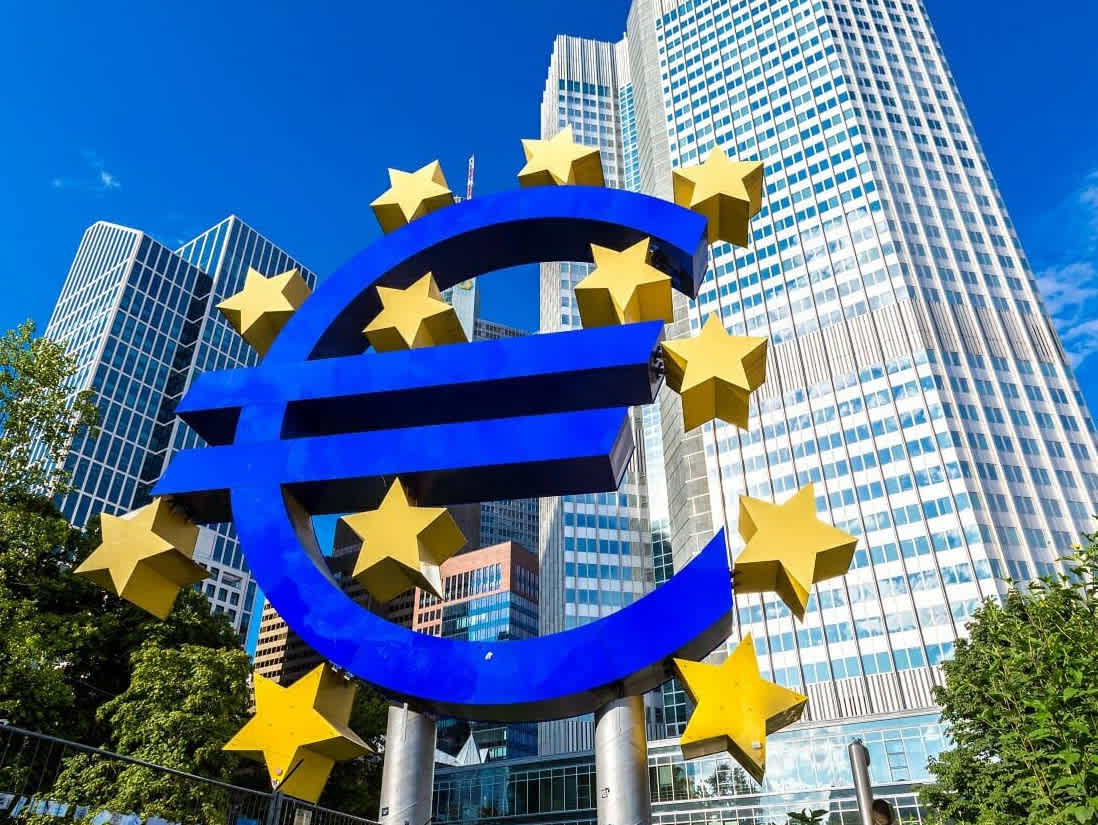
The European Central Bank is all but certain to raise interest rates at its June 11 meeting, joining a broader hawkish shift among global central banks as energy-driven inflation fueled by the Iran war reshapes the monetary policy landscape across major economies.
A Reuters poll published June 3 found that over 90 percent of economists — 74 out of 80 surveyed — expect the ECB to lift its deposit rate by 25 basis points to 2.25 percent next week, with more than 60 percent forecasting a second hike in September. Market pricing on prediction platforms assigns a 98 percent probability to the move. The rate increase would be the ECB’s first since 2023, reversing a cutting cycle that brought rates down to 2 percent by mid-2025.polymarket
Eurozone inflation has risen sharply in recent months. Italy’s harmonized consumer price index reached 3.3 percent in May, Spain hit 3.6 percent, and France climbed to 2.8 percent, all driven by higher energy costs stemming from disruptions to Middle East oil and gas infrastructure. The ECB’s April meeting minutes showed the Governing Council viewed action as necessary, with the only debate being timing. KPMG’s June central bank outlook confirmed that headline and core inflation are both above the ECB’s 2 percent target, and that memories of being late to hike during the post-pandemic inflation surge are shaping the decision.lemonde
The ECB is not alone. Reuters reported June 4 that the Bank of Japan is expected to raise its policy rate from 0.75 percent to 1 percent at its June 15-16 meeting, with markets pricing in roughly an 80 percent probability. Bloomberg reported that BOJ officials see scope for additional increases beyond June, citing persistent upside inflation risks.reuters
In New Zealand, the Reserve Bank held rates at 2.25 percent in May in a split 3-3 vote but signaled hikes are coming, with wholesale markets pricing over 90 percent odds of a move in July. The RBNZ’s updated rate track points to multiple hikes by year-end.kiwibank
Against this hawkish backdrop, Citigroup remains Wall Street’s most prominent dovish outlier. Following Friday’s strong U.S. jobs report, Citi’s chief U.S. economist Andrew Hollenhorst maintained his forecast for three 25-basis-point Federal Reserve rate cuts in September, October, and December. Most major banks have abandoned easing calls: a Reuters survey published May 27 found most global brokerages expect no Fed policy easing for the rest of 2026. J.P. Morgan sees the Fed on hold through year-end with a hike likely in 2027, while Goldman Sachs forecasts just a single December cut. BNP Paribas now projects three Fed rate hikes starting in December.futunn
The Federal Reserve has held the federal funds rate at 3.50-3.75 percent since the start of the year, with Polymarket assigning a 51 percent probability to at least one hike before December. Chair Jerome Powell has maintained a “wait-and-see” posture, acknowledging inflation risks from the conflict while emphasizing policy is “well-positioned” to respond.jpmorgan