





Newsletter Subscribe
Enter your email address below and subscribe to our newsletter

Enter your email address below and subscribe to our newsletter
All voices matter
The U.S.-Iran memorandum of understanding signed this week may have ended hostilities and set the stage for reopening the Strait of Hormuz, but economists and central bankers warn the inflationary damage from months of disrupted energy markets will persist well into 2027.
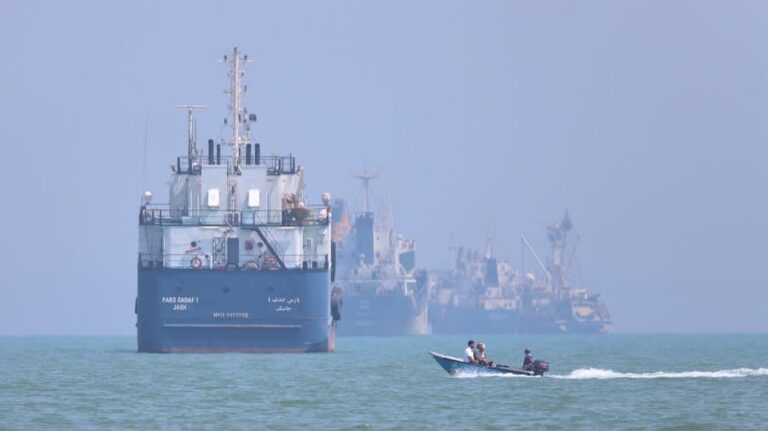
The 14-point agreement, signed by President Trump at Versailles on Wednesday, calls for Iran to restore commercial shipping through the Strait of Hormuz within 30 days and initiates a 60-day negotiation window for a comprehensive nuclear deal. Oil prices fell on news of the accord, and Bloomberg reported that the worst of war-driven U.S. inflation “has likely passed”. But the relief may prove modest and slow to reach consumers.aljazeera
Capital Economics warned in a note this week that “higher inflation (perhaps of around 4.0%) is baked in regardless of whether the US-Iran deal holds”. Simon MacAdam, a senior economist at the firm, said that even if shipping through the strait normalizes, the pass-through from elevated energy and fertilizer costs to consumer prices typically lags by several months.capitaleconomics
The World Bank last week cut its 2026 global growth forecast to 2.5 percent — the lowest since the pandemic — citing the Middle East conflict’s disruption of energy markets. The institution projected global inflation rising to 4 percent, with Brent crude expected to average $94 a barrel this year, 36 percent above 2025 levels. Fertilizer prices were forecast to climb 31 percent, with urea prices up 60 percent.worldbank
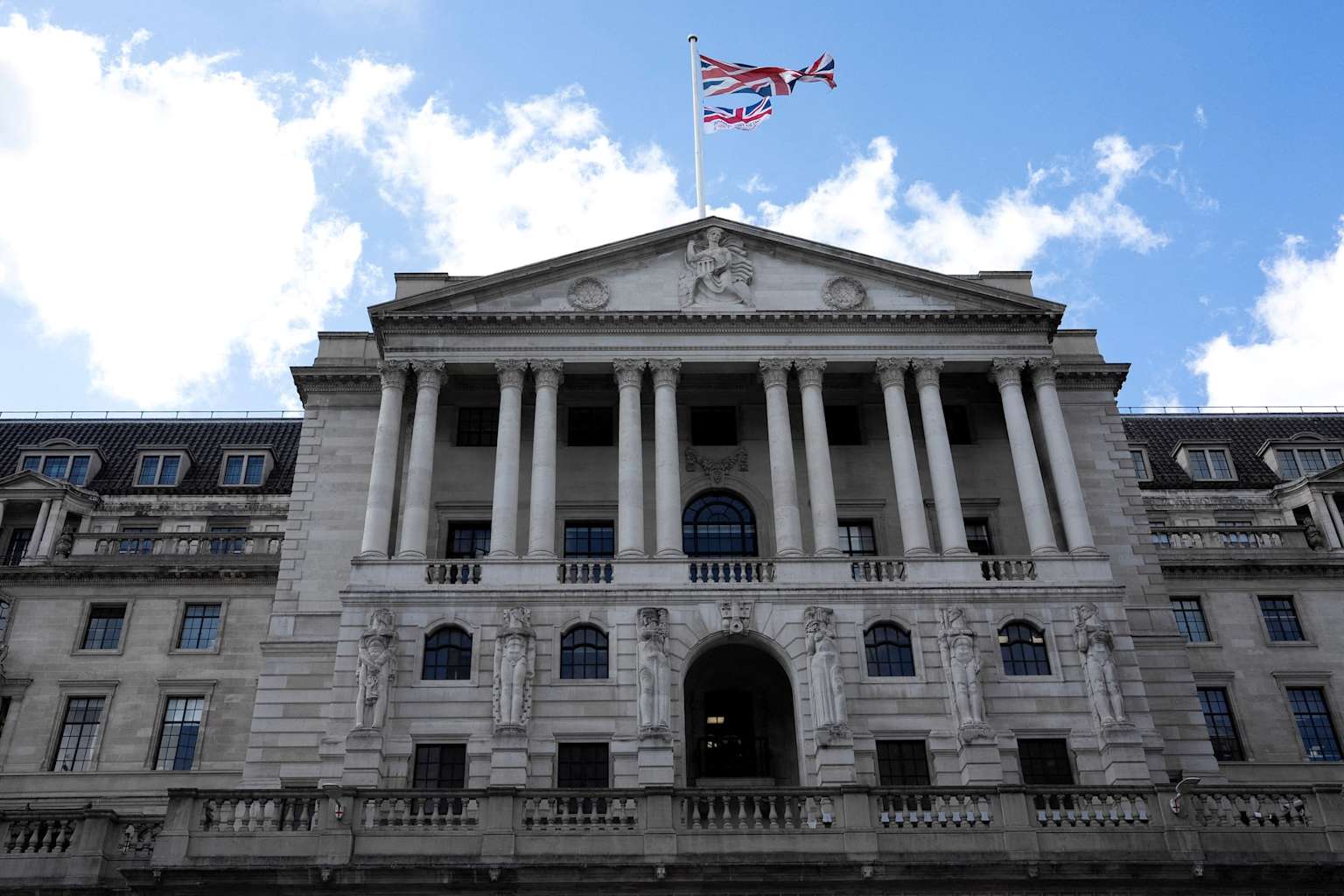
On Thursday, the Bank of England held its benchmark rate at 3.75 percent for the fourth consecutive meeting since the war began, voting 7-2 to keep rates unchanged. External member Megan Greene and Chief Economist Huw Pill dissented in favor of a quarter-point hike. George Brown, a senior economist at Schroders, said the bank was “opting for a wait-and-see approach rather than taking aggressive action,” adding that “the threshold for rate increases remains high”.yahoo
The core challenge, economists say, is that energy cost increases have already cascaded through supply chains. Gas prices at the pump, while off their late-May peaks, remain elevated, and food costs — driven by fertilizer-linked input prices — continue to rise. The World Bank warned that growth could fall as low as 1.3 percent if energy disruptions deepen or financial markets come under strain.reuters
Markets do not fully price in a Bank of England rate hike until December, reflecting the expectation that policymakers will attempt to look through the temporary inflation spike rather than risk tipping the economy into recession.usnews