







Newsletter Subscribe
Enter your email address below and subscribe to our newsletter

Enter your email address below and subscribe to our newsletter
All voices matter

The collision of surging oil prices, a weakening rupee, and hawkish Federal Reserve expectations dealt a sharp blow to emerging markets on Monday, as investors repriced risk across developing economies still reeling from the energy crisis triggered by the Middle East conflict.
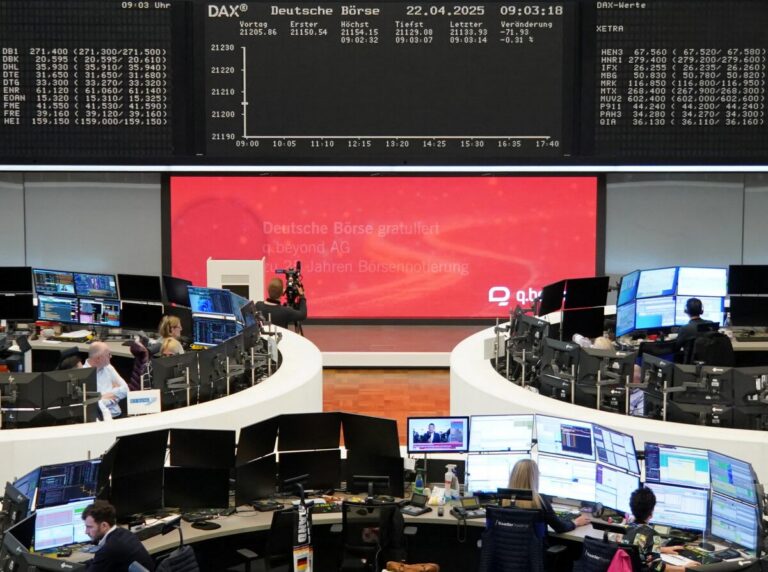
Indian markets fell sharply on Monday, with the Sensex dropping more than 700 points and the Nifty 50 shedding over 243 points as Brent crude hovered near $97 per barrel. The rupee slid to 95.35 against the dollar in early trade, according to PTI, weighed down by the strength of the U.S. currency and continuing geopolitical uncertainty. The selloff followed Iran’s fresh missile strikes on Israel over the weekend, which ended hopes of a near-term U.S.-Iran peace deal and sent a risk-off wave through global markets.univest
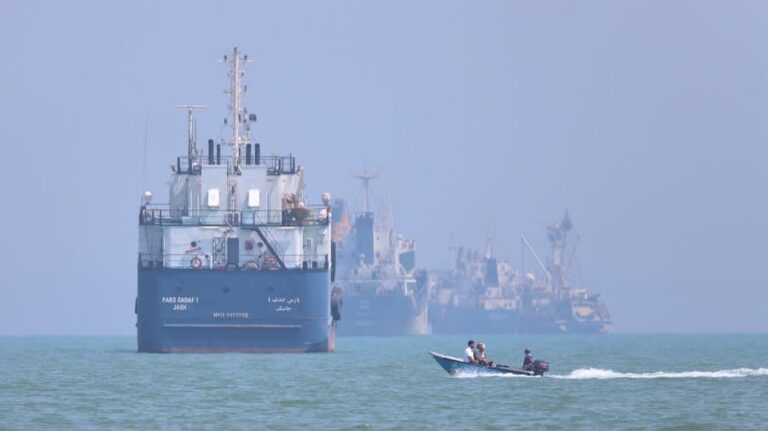
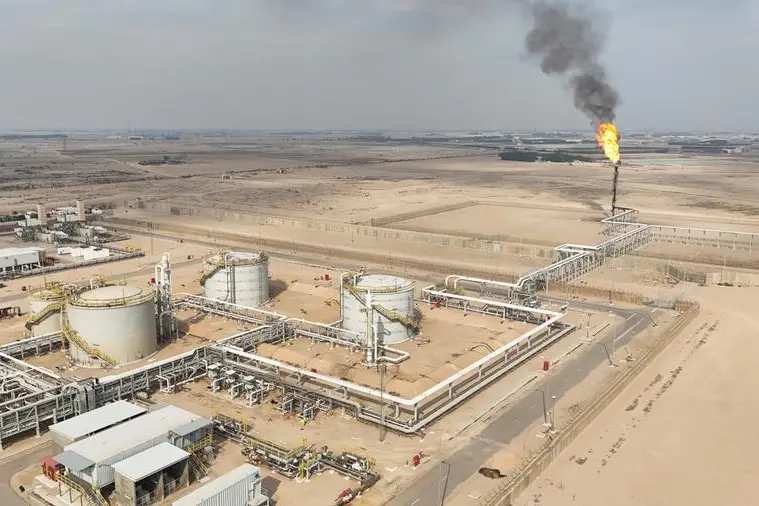
Crude oil prices have climbed more than 45% since the Iran war began on February 28, when the closure of the Strait of Hormuz — through which roughly 20% of the world’s oil and liquefied natural gas flows — disrupted global energy supply chains. Brent crude has traded in a $95-to-$97 range in recent days, with analysts expecting it to hold between $90 and $100 through the rest of the year.reuters
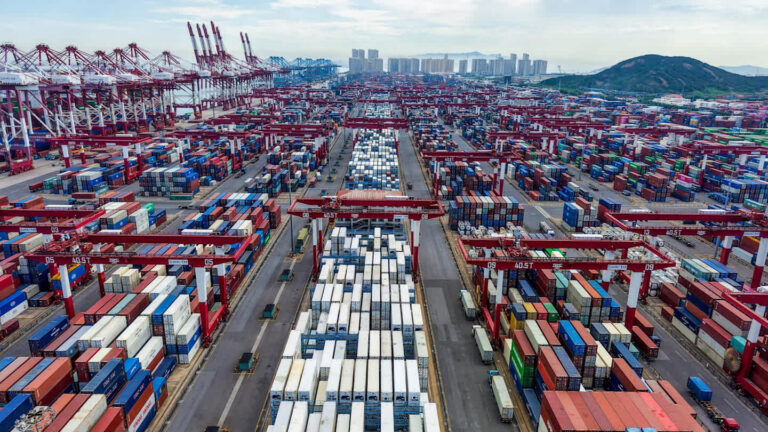
A working paper published June 7 by the Peterson Institute for International Economics warned that the energy shock will leave 2026 GDP lower and inflation higher in most economies, with emerging markets bearing a disproportionate burden. The paper found that countries more dependent on Middle Eastern oil, gas, and fertilizers face the steepest GDP declines, while higher fertilizer costs hurt agricultural production — a larger share of output in developing nations. S&P Global Ratings similarly forecast that net energy importers including India, Thailand, and Vietnam would see growth slow most acutely.piie
Nigeria’s annual inflation rate rose to 15.69% in April 2026, the highest since November 2025, with food and fuel costs accelerating. Semafor reported that Nigeria’s monthly inflation had jumped to its highest level in more than two decades, propelled by surging fuel prices tied to the war.tradingeconomics
Compounding the pressure, strong U.S. jobs data released Friday — nonfarm payrolls rose 172,000 in May, beating forecasts — led bond traders to fully price in a Federal Reserve rate hike by year-end, according to Bloomberg. Two-year Treasury yields jumped as much as 13 basis points to 4.17%, their biggest one-day move since April 2025. Higher U.S. rates threaten to pull capital away from emerging markets, tightening liquidity just as these economies contend with inflated import bills.bloomberg
The United Nations warned in May that developing economies face “sharper” inflation, projected to accelerate from 4.2% in 2025 to 5.2% in 2026, as higher energy, transport, and import costs erode real incomes. With the Strait of Hormuz still closed and ceasefire negotiations stalled, the outlook for emerging markets remains hostage to a conflict that shows few signs of resolution.un