







Newsletter Subscribe
Enter your email address below and subscribe to our newsletter

Enter your email address below and subscribe to our newsletter
All voices matter
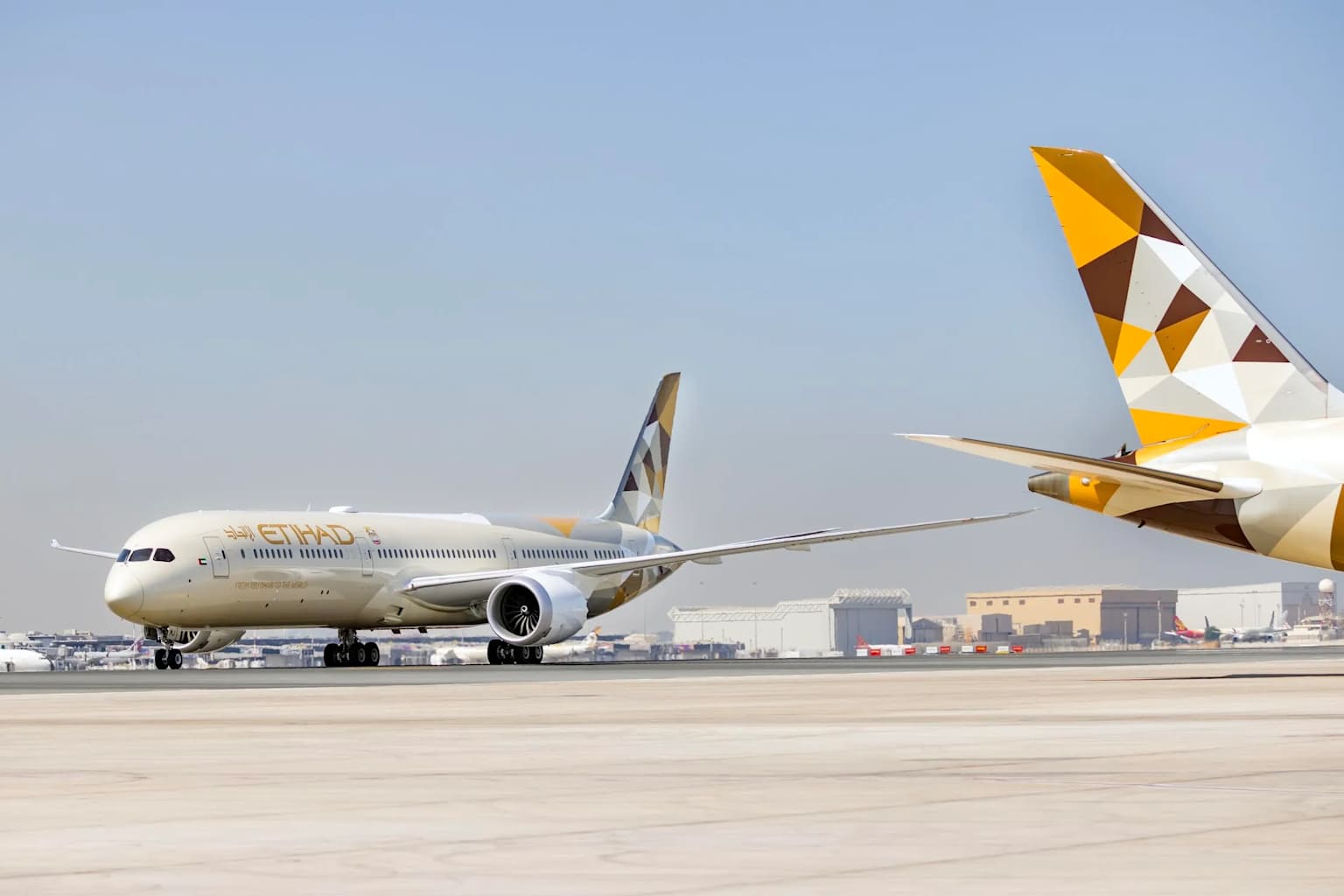
Etihad Airways is pressing ahead with new widebody aircraft orders even as the global airline industry reels from a fuel crisis that has halved profit forecasts and forced competitors to slash flights, CEO Antonoaldo Neves said on the sidelines of the IATA Annual General Meeting in Rio de Janeiro on Saturday.reuters
The Abu Dhabi carrier is purchasing widebody planes “in the double digits,” Neves told Reuters, declining to specify further details. He said Etihad expects to be flying about 8% more capacity by June 15 compared with the same period last year, having restored flights it cut in March when the U.S.-Israeli war on Iran turned regional.tbsnews
“The biggest cost we have is an empty plane,” Neves said. “So the way I cut cost is I don’t have empty planes”.tbsnews
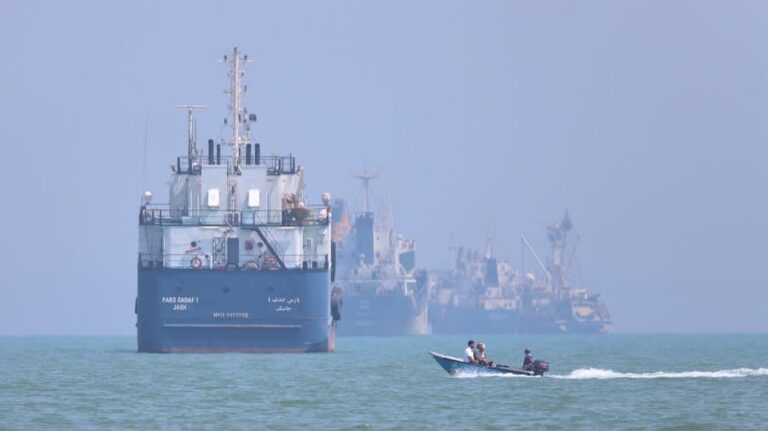
The move contrasts sharply with the broader industry picture. IATA revealed at the same gathering that it now forecasts global airline net profits of $23 billion for 2026 — nearly half the $41 billion it had projected in December 2025 — as fuel expenditures are expected to soar to approximately $350 billion, up from $252 billion last year. The crisis stems from the closure of the Strait of Hormuz, which has choked off oil supplies since late February.pbs
Etihad’s strategy of snapping up available delivery positions predates the current crisis. In November 2025, the airline ordered 32 Airbus widebodies — including A350-1000s, A350F freighters, and A330-900s — with deliveries beginning in 2027, which it described as “one of the earliest widebody availability windows in the global market”. That followed an order for 28 Boeing widebody aircraft announced in May 2025.runwaygirlnetwork
A senior IATA vice president said separately on Saturday that Middle Eastern carriers would be unwise to defer jet orders due to uncertainty from the Iran war, as such decisions could prove costly in the long term.reuters
The fuel crisis has exposed a growing divide between well-capitalized Gulf carriers and financially strained airlines elsewhere. EasyJet reported a first-half loss of £552 million in May, citing rising fuel costs. Airlines globally cut 13,000 flights and nearly two million seats in May alone, while jet fuel prices have more than doubled since hostilities began. Etihad, which reported a near 50% jump in net profit to $698 million in 2025, appears positioned to emerge from the crisis with a larger, more modern fleet than when it began.youtube