




Newsletter Subscribe
Enter your email address below and subscribe to our newsletter

Enter your email address below and subscribe to our newsletter
All voices matter
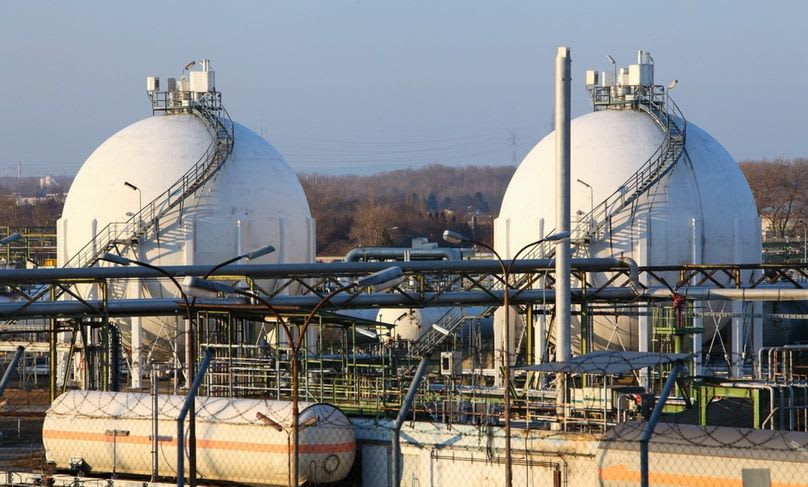
The US-Iran interim deal signed on Wednesday may have eased immediate fears of a prolonged energy blockade, but Europe’s natural gas reserves remain dangerously thin as the continent heads into its critical summer refilling season. Storage facilities across the EU sat at roughly 45% of capacity in early June — about 14 percentage points below the five-year average for the month — raising alarms about winter preparedness.global-energy-flow
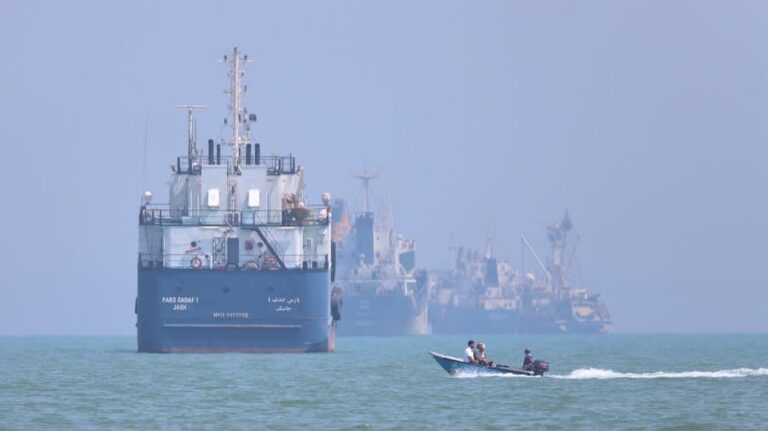
The memorandum of understanding between Washington and Tehran, which calls for reopening the Strait of Hormuz to commercial shipping and extending the ceasefire for 60 days, represents the most substantive diplomatic breakthrough since hostilities began on February 28. But energy analysts warn that restoring actual gas flows will take far longer than reopening a waterway.npr
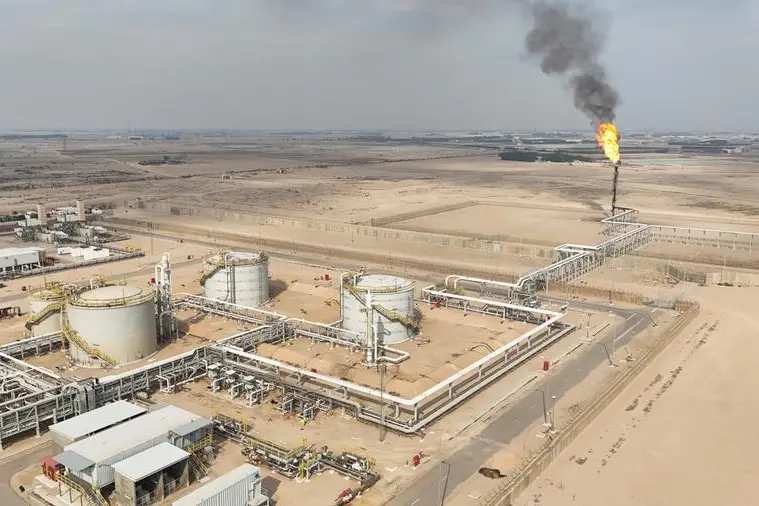
Iranian missile strikes in March knocked out 17% of Qatar’s LNG export capacity — damaging two of the country’s 14 processing trains and halting an estimated 12.8 million tonnes of annual LNG production for three to five years, according to QatarEnergy CEO Saad al-Kaabi. Force majeure has been declared on contracts supplying Italy, South Korea, and other buyers.reuters
Chatham House warned in an analysis published June 16 that “even Hormuz reopening will not resolve Europe’s key energy vulnerability,” arguing the continent remains over-reliant on insecure and expensive natural gas and must accelerate demand reduction through renewables, heat pumps, and energy efficiency. The European Commission itself has cautioned that energy prices will remain elevated for months regardless of diplomatic progress.investing
Europe entered 2026 in a weakened position, with storage closing 2025 at around 61% — well below the prior year’s 72%. The Strait of Hormuz closure then prevented the usual spring refilling from Gulf LNG sources, and by May storage stood at just 34.3%, according to Tempos Energía. Although injections have since brought levels toward 45%, the trajectory leaves EU countries scrambling to meet even the relaxed 75% target the European Commission set for November 1.brusselssignal
Columbia University’s Center on Global Energy Policy described Europe as entering the 2026 injection season with its lowest storage since 2018. Shipping insurers remain cautious about resuming Gulf coverage, adding friction even as the deal takes hold.columbia
Compounding the crisis, a report by Beyond Fossil Fuels published in late May found that European countries are planning to build nearly 100 gigawatts of new gas-fired power plants. Euronews, reporting on the findings Thursday, noted that EU governments are advancing almost 60 gigawatts of that new gas capacity — a build-out critics say risks locking the bloc into fossil fuel dependence for decades.beyondfossilfuels
The parallel push for gas infrastructure, even as the current crisis exposes supply fragility, encapsulates Europe’s energy dilemma: how to keep the lights on this winter without entrenching the very vulnerabilities that made this crisis so acute.