







Newsletter Subscribe
Enter your email address below and subscribe to our newsletter

Enter your email address below and subscribe to our newsletter
All voices matter

The euro area swung to an unexpected trade in goods deficit of €1.0 billion in April 2026, ending a string of surpluses and marking a sharp reversal from the €8.7 billion surplus recorded in April 2025, according to data released by Eurostat on June 15.europa
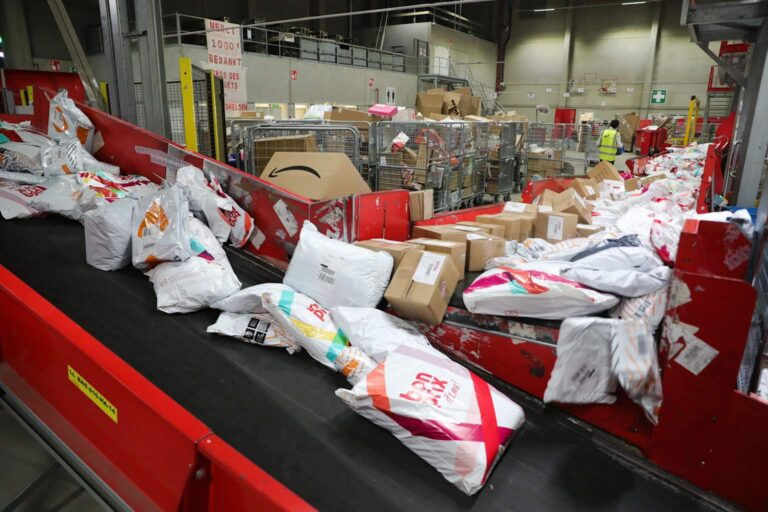
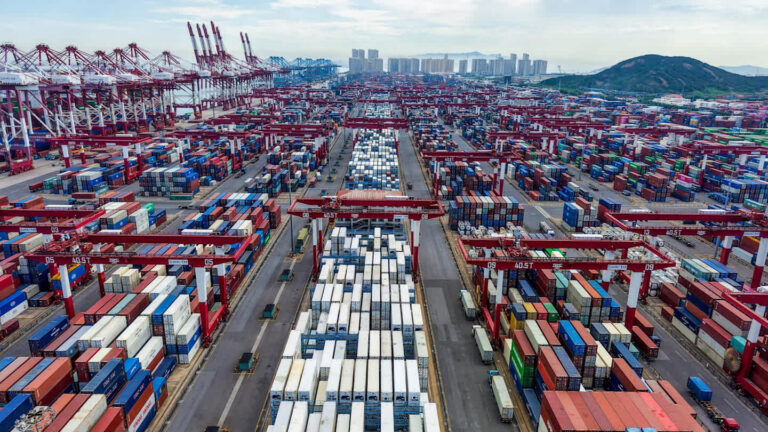
Exports of goods from the euro area to the rest of the world reached €255.4 billion in April, up 5.0% from €243.3 billion in April 2025. But imports grew nearly twice as fast, surging 9.3% to €256.4 billion, tipping the balance into deficit territory.tradingeconomics
The broader European Union also recorded a deficit of €7.1 billion in April, compared with a surplus of €7.3 billion a year earlier — a swing of more than €14 billion.europa
The deficit reflects trends that have been building throughout 2026. Eurostat data from the first quarter showed the EU’s trade surplus had already halved to €12.7 billion, down from €23.6 billion in the final quarter of 2025. The deterioration has been driven primarily by two sectors: a widening deficit in energy products — particularly from the United States and Norway — and a shrinking surplus in machinery and vehicles.europa
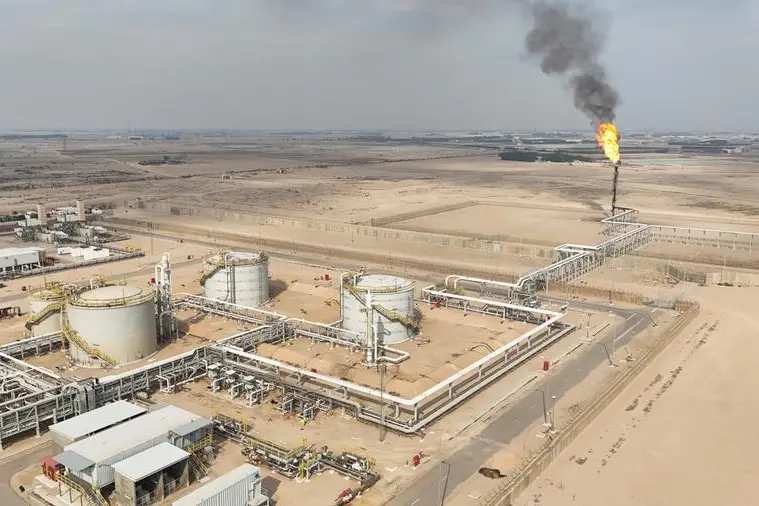
Energy costs have been a persistent drag. Since early 2025, Europe’s energy trade deficit has expanded, with imports from the U.S. and Norway accounting for a combined shortfall exceeding €28 billion in the first quarter of 2026 alone. Meanwhile, EU exports to the United States fell by nearly a third in the first three months of the year amid ongoing tariff tensions, further eroding the trade balance.eunews
The April figures extend a pattern of weakening external balances for the bloc. January 2026 also produced a euro area deficit of €1.9 billion, and while February and March returned to surplus, the trend has been decisively downward compared with 2025. Germany — the euro area’s largest exporter — reported a national trade surplus of €14.5 billion in April, suggesting the deterioration is concentrated among other member states.eunews
The data will add pressure on European policymakers already navigating a fraught trade environment shaped by U.S. tariffs and elevated energy import costs.