




Newsletter Subscribe
Enter your email address below and subscribe to our newsletter

Enter your email address below and subscribe to our newsletter
All voices matter
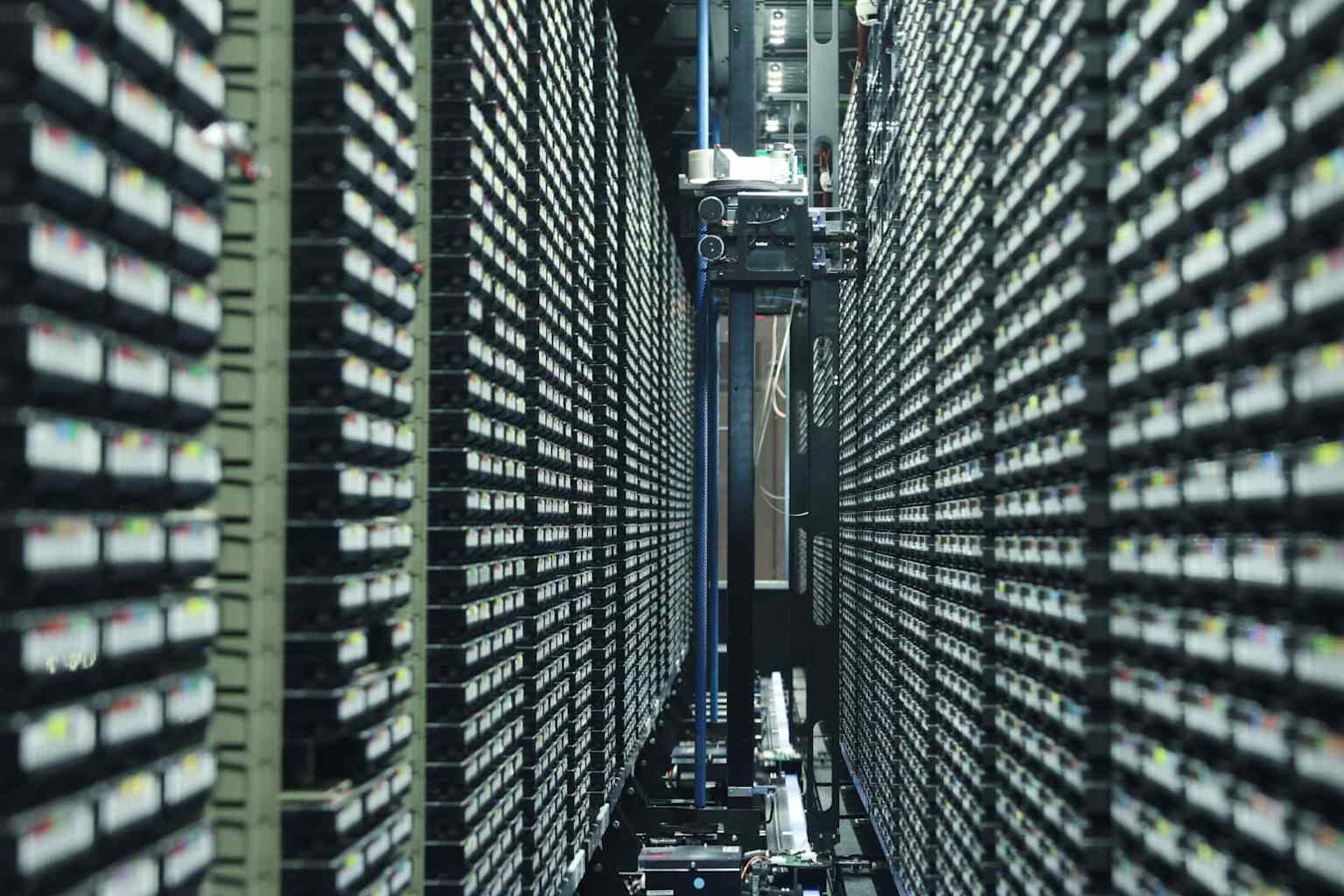
The European Union’s ambitious plan to build four to five massive AI data center gigafactories, backed by €20 billion in public funding, is facing mounting challenges as delays pile up and private investors grow frustrated with unclear subsidy conditions. The setbacks come at a moment when France is racing ahead with its own AI infrastructure push, underscoring an uneven landscape across European AI ambitions.
Commission President Ursula von der Leyen first outlined the gigafactory vision in February 2025, proposing mega computing facilities each equipped with roughly 100,000 advanced AI processors — four times the capacity of existing EU AI factories. A formal call for proposals was initially expected by late 2025, then pushed to early 2026. While the EuroHPC Joint Undertaking planned to open the call in February 2026, the selection process has yet to conclude, and no final decision date has been publicly set.techzine
The financing model requires 65 percent of capital expenditure from private partners, with the EU and member states covering up to 35 percent. Industry groups have warned that this structure, combined with uncertainty about what the gigafactories would actually be used for, is causing delays in some member states. Critics point out that Europe’s leading AI developer, Mistral, is already building its own infrastructure independently, raising questions about who would use the publicly funded facilities.sciencebusiness
A group of 18 European Parliament lawmakers also raised concerns about dependency on Nvidia as the primary chip supplier, questioning whether the initiative would reduce or deepen Europe’s strategic reliance on a single vendor.techzine
In contrast to the EU-wide effort’s difficulties, France announced record investment pledges at its annual “Choose France” summit on Monday. President Emmanuel Macron said the event secured €93 billion in confirmed investments — more than double the previous year — with a large portion directed toward AI and data center infrastructure. SoftBank committed up to €75 billion for data centers in northern France, according to its CEO Masayoshi Son.euronews
The divergence highlights a deeper tension in European AI policy. While individual nations attract private capital through energy advantages and deregulation, the EU’s collective approach is weighed down by bureaucratic complexity. Science Business reported that industry groups worry there is no clear plan for financial sustainability once the gigafactories are built. The €20 billion also looks modest against global competitors — OpenAI’s Stargate project involves $500 billion, and major hyperscalers are each spending around $180 billion annually on AI infrastructure.sciencebusiness
The required legal framework for the gigafactory fund is still not fully in place, leaving potential partners without clarity on procurement rules, contract terms, or timelines for disbursement.noerr