





Newsletter Subscribe
Enter your email address below and subscribe to our newsletter

Enter your email address below and subscribe to our newsletter
All voices matter

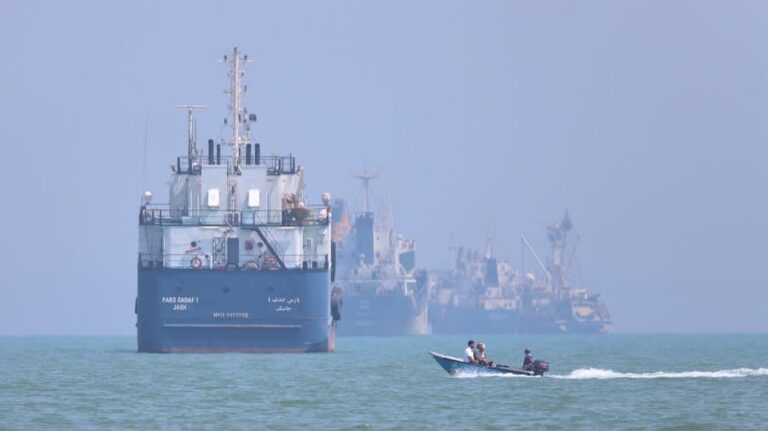
More than 100 days after the United States and Israel launched airstrikes against Iran on February 28, the near-total closure of the Strait of Hormuz continues to send shockwaves through global energy and food markets, with Fitch Ratings upgrading its 2026 oil and gas sector outlook and the UN Food and Agriculture Organization warning that the world faces a severe food price crisis within months.
Fitch Ratings revised its global oil and gas sector outlook to “improving” from “neutral” on June 8, citing higher near-term price assumptions driven by the Hormuz disruption and stronger earnings prospects for producers. The ratings agency said elevated crude prices are likely to support cash flows, profitability, and credit metrics across the industry. Separately, Fitch cut its 2026 global GDP growth forecast by 0.2 percentage points to 2.4 percent, warning that rising energy prices are weakening economic activity by increasing inflationary pressures and reducing household purchasing power.tribuneindia
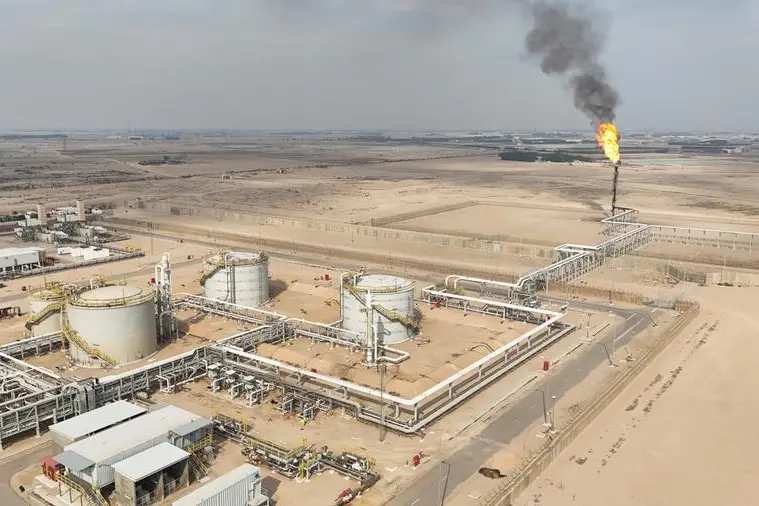
Oil prices have surged dramatically since the conflict began, with Brent crude rising more than 85 percent year-to-date by early May. Though prices have eased from peaks — trading near $94 per barrel in early June — analysts at JPMorgan warned in May that commercial oil inventories in the developed world could “approach operational stress levels” and that prices could top $130-$140 a barrel if the strait remains closed. The World Bank described the disruption as “the largest oil market disruption in history,” with global oil supply crashing by 10.1 million barrels per day in March.tradingeconomics
The FAO Food Price Index reached 131 points in April 2026, its highest reading since January 2023, before edging down marginally to 130.8 in May. Cereal prices rose 2.6 percent in May to their highest level since June 2024, with higher fuel and fertilizer costs adding upward pressure globally.tradingeconomics
FAO Director-General QU Dongyu warned that fertilizer scarcity caused by Hormuz disruptions will lead to lower yields and tightening food supplies in the latter half of 2026 and into 2027. The FAO’s chief economist Máximo Torero forecast that a global food price crisis could be triggered within six to 12 months unless governments act quickly. One-third of the world’s seaborne fertilizer passes through the Strait of Hormuz, and disruptions are affecting up to one-third of the global fertilizer trade.fao
South Asia faces particularly acute risks, with oil disruptions cascading into fertilizer markets and weakening agricultural output across the region. The European Commission has also cut its 2026 eurozone growth forecast to 0.9 percent and raised its inflation projection to 3.1 percent — a full percentage point higher than previously expected — driven mainly by soaring energy costs.thediplomat
Negotiations between Iran and the United States over a ceasefire extension and reopening of the strait appear to be faltering. New U.S. strikes in Iran were confirmed over the first weekend of June, contributing to a renewed spike in oil prices. Traders remain positioned for further upward pressure if disruptions persist, complicating central bank efforts to cut interest rates and stoking inflation worldwide.fortune
The FAO has urged governments to secure alternative trade corridors, avoid export restrictions on energy and fertilizers, and establish emergency credit lines for farmers — warning that “the window for preventive action is closing quickly”.reuters