





Newsletter Subscribe
Enter your email address below and subscribe to our newsletter

Enter your email address below and subscribe to our newsletter
All voices matter
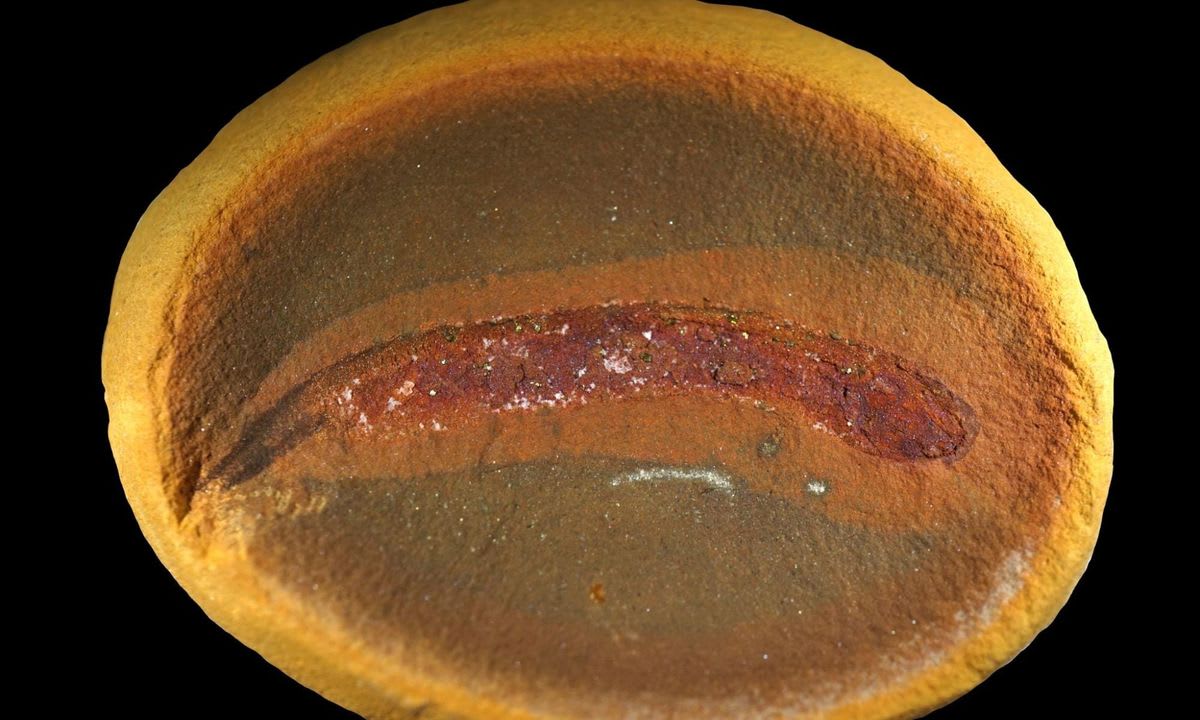
For 150 years, scientists assumed the first vertebrates to leave the seas underwent a tadpole-like stage on their path to life on land. A study published Thursday in the journal Science upends that narrative, revealing that fossilized hatchlings of early tetrapods show no evidence of amphibian-style metamorphosis.infobae
Paleontologists Jason Pardo, a research associate at the Field Museum in Chicago and postdoctoral fellow at Vilnius University, and Arjan Mann, the Field Museum’s assistant curator of early tetrapods, examined dozens of exceptionally preserved fossils from the Mazon Creek beds in northern Illinois, dating back roughly 310 million years. The specimens included hatchlings of crocodile-like predators called embolomeres, snake-like aïstopods, and megalichthyid fish — some so young that fossilized yolk from their abdomens was still visible.404media
Despite spanning key lineages in the evolutionary transition from fish to four-legged land animals, none of the hatchlings bore signs of external gills, underdeveloped bones, or other hallmarks of a tadpole phase. “We looked at a number of different species that represent different lineages in the transition from fish to tetrapods, and what we found is that none of them have anything that looks remotely like a tadpole,” Pardo said. “And if you don’t have a tadpole, then you don’t have a metamorphosis.”miragenews
The prevailing view held that the earliest tetrapods, like modern frogs and salamanders, hatched as aquatic larvae and later transformed into land-capable adults — and that this metamorphosis was the mechanism enabling the water-to-land transition. The new findings instead point to “direct development,” in which hatchlings emerged as small-scale versions of their adult forms, growing gradually without a dramatic bodily transformation.miragenews
The results suggest that amphibian-style metamorphosis arose well after tetrapods had already gained a foothold on land, rather than serving as a prerequisite for the transition. “The story was that metamorphosis is the tool by which animals made the transition from water to land. That story doesn’t work anymore, it’s dust in the wind,” Pardo said.404media
Rather than a swift metamorphic leap, the study implies early tetrapods acclimated to terrestrial life gradually, with accelerated limb development likely playing a key role in completing the transition. As the researchers noted, the discovery represents the most extensive sample of early tetrapod hatchling anatomy assembled to date — and a direct challenge to one of evolutionary biology’s most entrenched ideas.eurekalert