





Newsletter Subscribe
Enter your email address below and subscribe to our newsletter

Enter your email address below and subscribe to our newsletter
All voices matter
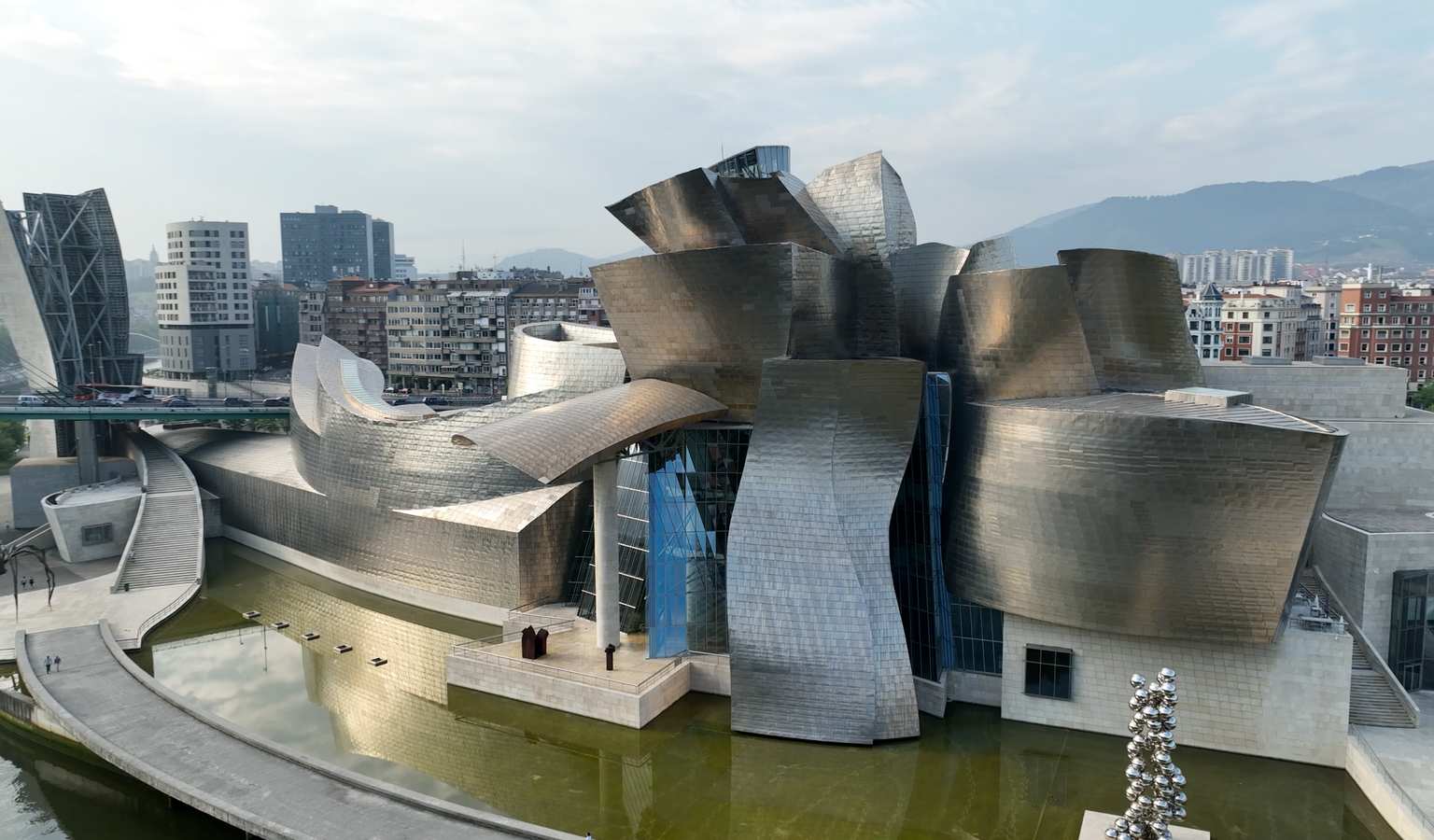
Frank Gehry, the Canadian-American architect whose titanium-clad Guggenheim Museum in Bilbao transformed a declining Spanish industrial city and ushered in a new era of architecture as cultural spectacle, died Friday at his home in Santa Monica, California. He was 96.
Meaghan Lloyd, his chief of staff, confirmed that Gehry succumbed to a brief respiratory illness.nytimes
Gehry’s death marks the end of a career that fundamentally reshaped contemporary architecture and demonstrated how bold design could serve as an economic catalyst for cities worldwide. His sculptural, emotionally expressive buildings—characterized by undulating forms and innovative use of materials such as titanium and stainless steel—helped define what architecture could be in the late 20th and early 21st centuries.latimes
When the Guggenheim Museum Bilbao opened in 1997, critics hailed it as transformative. New York Times architecture critic Herbert Muschamp called it “The Miracle in Bilbao,” while architect Philip Johnson wept upon first seeing the structure. The museum attracted 1.3 million visitors in its inaugural year and generated an estimated €400 million annually for the local economy, spawning the term “Bilbao Effect” to describe architecture’s power to revitalize struggling cities.nytimes
Gehry’s other major works include the Walt Disney Concert Hall in Los Angeles, completed in 2003, which became a luminous landmark atop Bunker Hill. The Fondation Louis Vuitton in Paris, which opened in 2014, featured glass sails wrapping the building like a transparent ship and represented what critics called a “newly refined” direction in Gehry’s late work.latimes
Born Frank Owen Goldberg on February 28, 1929, in Toronto, Gehry moved with his family to Los Angeles in 1947 after his father suffered a heart attack. He changed his surname to Gehry in 1954 to avoid antisemitism. His career gained widespread attention in 1978 when he radically transformed his own Santa Monica home, wrapping a modest Dutch Colonial bungalow in corrugated metal, plywood, and chain-link fencing.nytimes
Gehry won the Pritzker Prize, architecture’s highest honor, in 1989. He is survived by his wife, Berta, whom he married in 1975, and four children.latimes