







Newsletter Subscribe
Enter your email address below and subscribe to our newsletter

Enter your email address below and subscribe to our newsletter
All voices matter
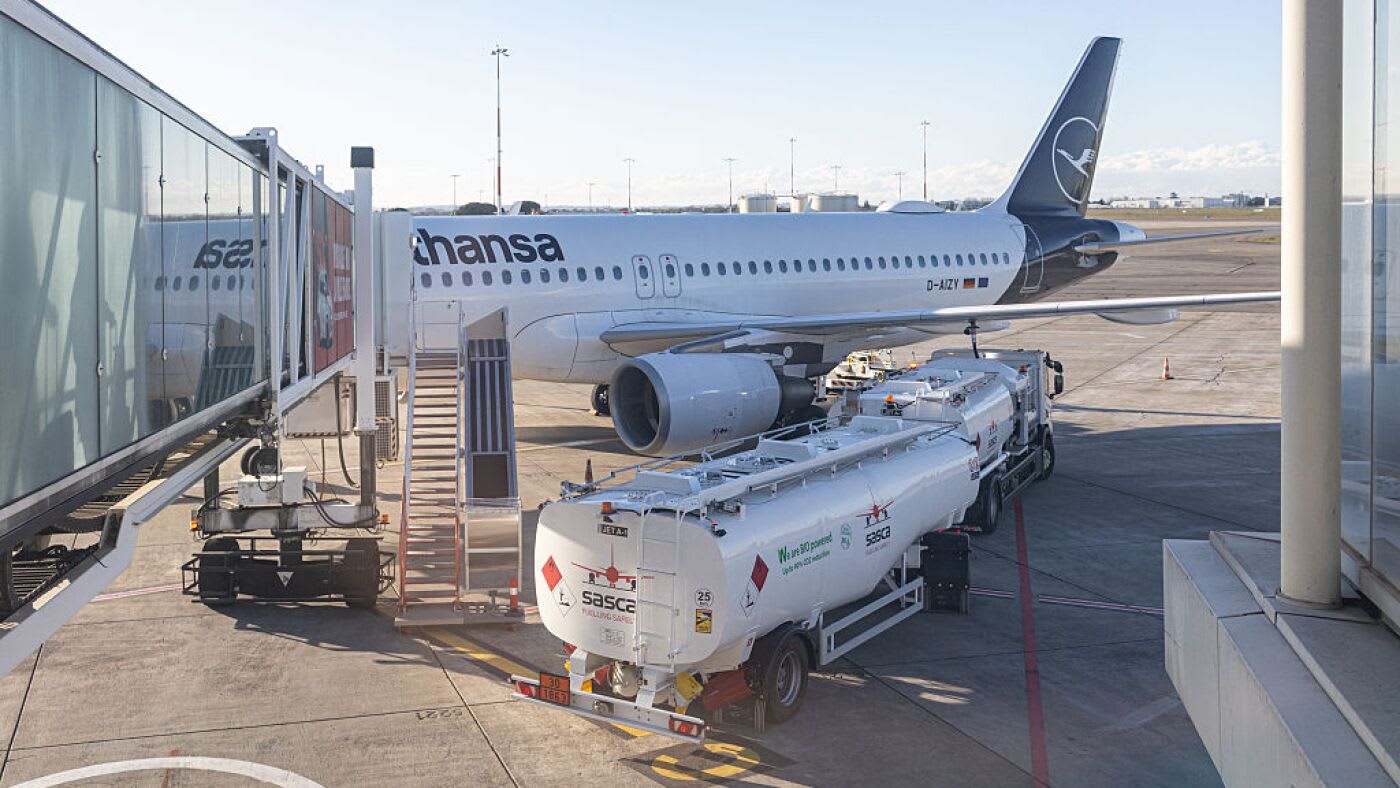
The global airline industry gathered in Rio de Janeiro on Saturday for the opening of the IATA 82nd Annual General Meeting, with carriers warning that a deepening jet fuel crisis triggered by the Strait of Hormuz closure is forcing unprecedented schedule cuts and fare hikes heading into the peak summer travel season.
The three-day event, running June 6–8 and hosted by LATAM Airlines Group, comes as airlines across Europe, the Middle East, and North America grapple with fuel costs that have roughly doubled since the U.S. and Israeli-led strikes on Iran disrupted global oil supply chains in late February.aljazeera
Emirates has cut 16% of its June flights — more than 1,000 planned departures from its Dubai hub — removing approximately 480,000 seats from its schedule as routes become financially unviable. Lufthansa announced 20,000 short-haul European flights would be eliminated through the fall, a move the BBC reported was driven by fuel prices that rendered many routes “unprofitable”. KLM cancelled more than 160 flights, describing affected services as “no longer financially viable”, while Air Canada confirmed it was halting service on multiple seasonal routes earlier than planned, according to the CBC.traveltourister
The cuts extend beyond individual airlines. According to The Globe and Mail, global airline schedules are now operating at 82% of pre-conflict levels, while jet fuel supply stands at 88% — a gap that is widening as carriers race to conserve fuel.theglobeandmail
The capacity reductions have driven sharp fare increases. CNBC reported that the average round-trip international fare from the U.S. reached $1,097 by late April, a 42% increase from pre-conflict levels in February. U.S. airline fares were up 14.9% year-over-year in March, according to CPI data, with the U.S. Travel Association reporting a 20.7% annual surge in its Travel Price Index by April.cnbc
Long-haul routes have been hit hardest. Fares from London to Melbourne rose 76% year-over-year, and flights to Hong Kong jumped 72%, according to consultancy Teneo data cited by the BBC.bbc
IATA Director General Willie Walsh warned in April that even if the Strait of Hormuz were fully reopened, “it would still take several months to restore supply levels due to disruptions in refining capabilities in the region,” according to Reuters. S&P Global Energy estimated the strait’s near-total closure led to a 40% reduction in jet fuel supplies globally.reuters
NPR reported that European carriers, which rely on the Middle East for roughly one-third of their fuel imports, face prolonged pressure. “We anticipate that oil prices will remain elevated for an extended period, likely until the year’s end,” one industry executive warned.npr