






Newsletter Subscribe
Enter your email address below and subscribe to our newsletter

Enter your email address below and subscribe to our newsletter
All voices matter
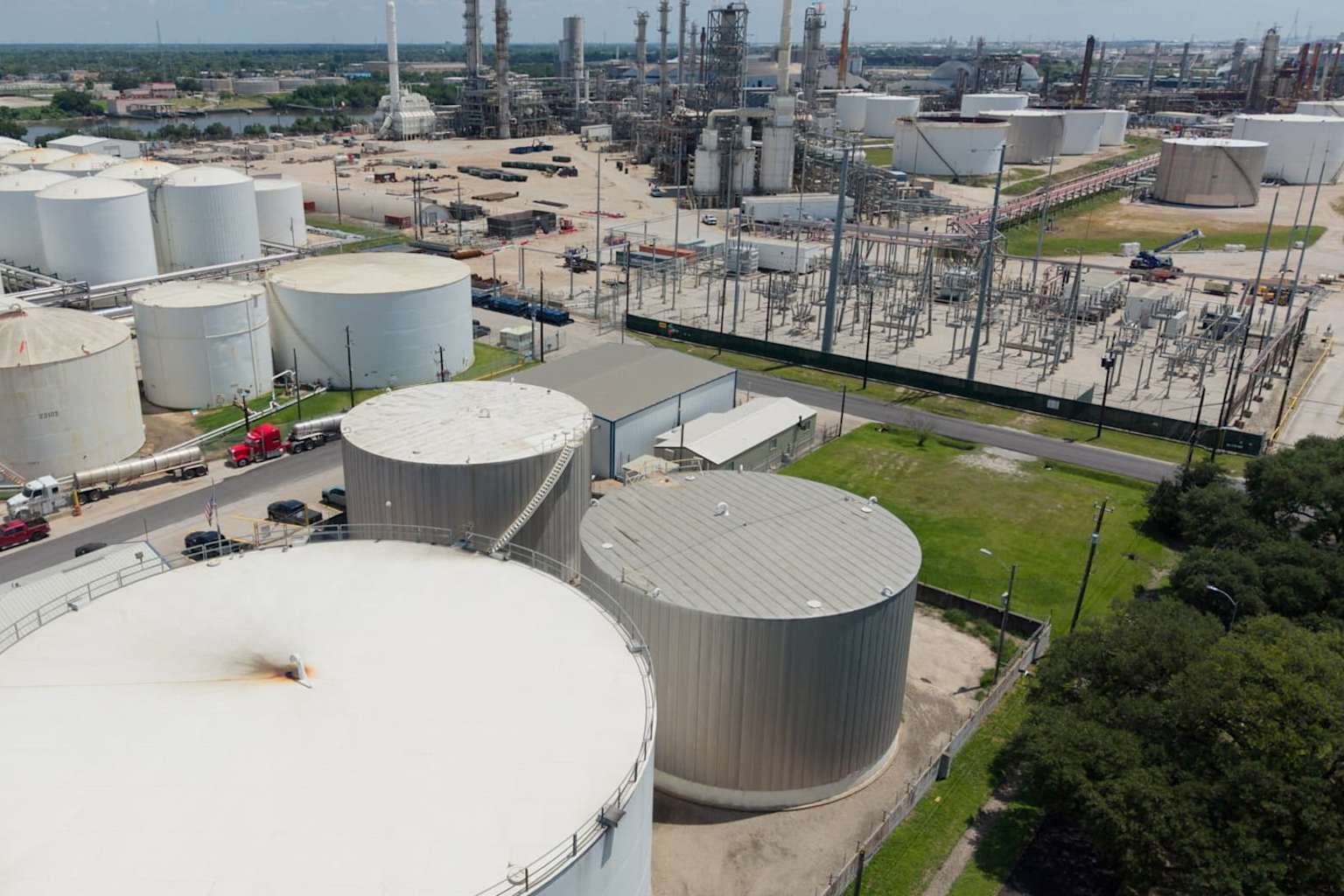
Oil markets are navigating a dramatic shift as a framework peace deal between the United States and Iran converges with months of OPEC+ production increases to drive crude prices sharply lower. WTI crude traded near $76 per barrel on Wednesday, down roughly 30% from April peaks, as traders weigh the prospect of Iranian supply returning to a market already bracing for a glut.
OPEC+ agreed on Sunday, June 7, to raise oil output targets by 188,000 barrels per day starting in July, marking the group’s fourth consecutive monthly increase since April. Seven core members — including Saudi Arabia, Russia, Iraq, Kazakhstan, Algeria, and Oman — have now lifted their combined quotas by nearly 600,000 bpd over four months. The increases have been largely symbolic, as the Strait of Hormuz closure during the US-Iran conflict prevented most Gulf producers from actually meeting their higher targets.reuters
If OPEC+ continues monthly increases at the same pace through August and September, the remaining voluntary production cuts could be fully unwound by late September.cnbc
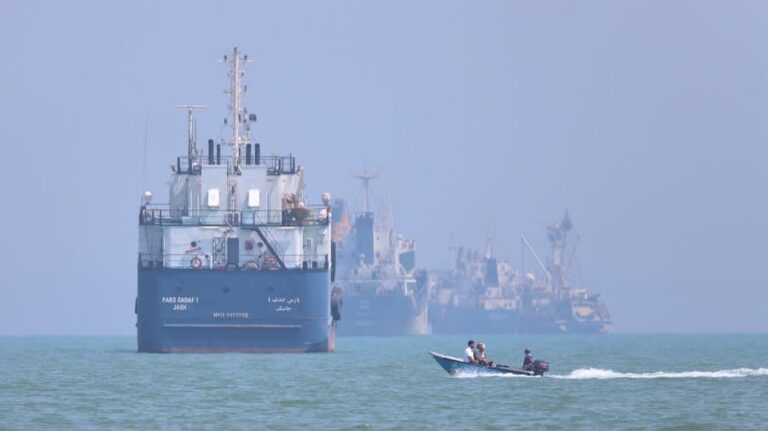
The announcement on June 14 of a memorandum of understanding between Washington and Tehran sent Brent crude plunging more than 5% to around $83 per barrel, its lowest since March. President Trump said the deal would reopen the Strait of Hormuz “toll-free” and lift the US naval blockade on Iranian ports. A formal signing is scheduled for Friday, June 19, in Switzerland.spglobal
However, analysts caution that supply normalization will take time. S&P Global Energy CERA noted that “expectations of a Strait of Hormuz reopening are bearish for future oil prices and risk premiums, yet normalization will take time, leaving physical crude markets tight through summer”. Andrew Lipow of Lipow Oil Associates estimated that clearing mines from the waterway could take weeks to six months.bbc
Adding to bearish pressure, the International Energy Agency said on Wednesday that the UAE’s post-OPEC expansion could push its oil output past 5 million bpd by 2027, a year-on-year increase of 730,000 bpd. The UAE left OPEC on May 1 and has signaled it could ultimately raise capacity to 6 million bpd.khaleejtimes
The combination of recovering Iranian exports, OPEC+ quota hikes, and unconstrained UAE production has revived forecasts of oversupply that dominated before the war disrupted Gulf shipping routes. Oil prices on Wednesday showed signs of stabilizing after five sessions of decline, but market participants remain cautious ahead of Friday’s signing ceremony.cnbc