







Newsletter Subscribe
Enter your email address below and subscribe to our newsletter

Enter your email address below and subscribe to our newsletter
All voices matter

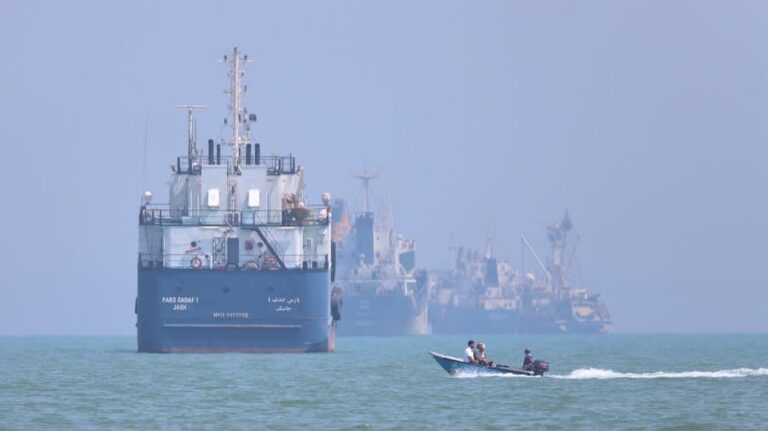
Days after the United States and Iran announced a framework agreement to end their conflict and reopen the Strait of Hormuz, the shipping industry is signaling it will be weeks — if not months — before normal traffic resumes through the world’s most important oil chokepoint. Uncleared sea mines, soaring insurance costs, and uncertainty over whether the deal will hold are keeping vessel operators on the sidelines.
The US-Iran memorandum of understanding, announced on Sunday and set for a formal signing ceremony on Friday, calls for the immediate reopening of the strait without tolls and aims for pre-war shipping levels within 30 days. But maritime security experts say the physical reality on the water tells a different story. The mine-clearing operation using conventional minesweepers and underwater drones could take 40 to 50 days before insurers and shipping companies feel confident enough to resume regular transit, according to assessments from five Western maritime security sources cited by Reuters.axios
The New York Times reported that a critical factor will be determining how many naval mines Iran deployed and how swiftly they can be neutralized. On Monday, President Trump acknowledged the challenge, saying the strait was “already partially opened” and that forces were “doing a little hunting a couple mines”. French President Emmanuel Macron said France was prepared to send mine-clearing ships within days.nytimes
Mitsui OSK Lines CEO Jotaro Tamura told the Financial Times that operators would wait for proof the deal is “material” before resuming passage. “Given the experiences in the last couple of months, I think it’s reasonable to assume that it may take at least a couple of weeks or if not a month,” Tamura said. The company said in a separate statement to Reuters that operations would not resume “until safety has been sufficiently confirmed”.businesstimes
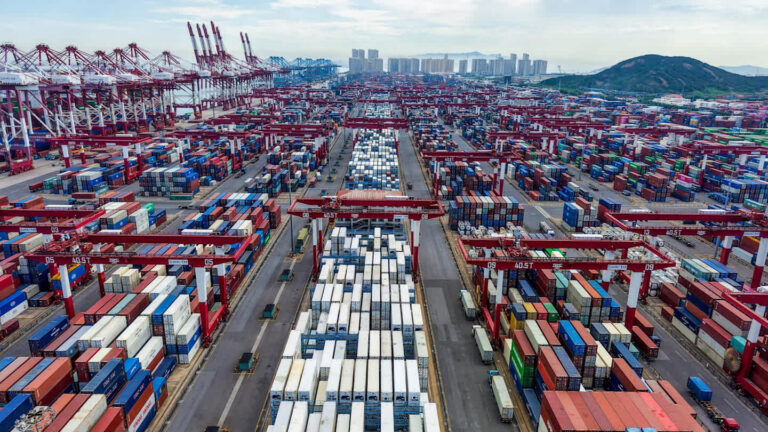
Peter Aylott, director of policy at the UK Chamber of Shipping, warned that a return to normal shipping volumes of roughly 150 vessels per day is unlikely this year. War-risk insurance premiums remain a major deterrent: rates for transiting the strait have surged to between 1 and 4 percent of a ship’s hull value, compared with up to 0.25 percent before the conflict began in late February. For a vessel valued at $100 million, that translates to costs as high as $4 million per transit.aljazeera
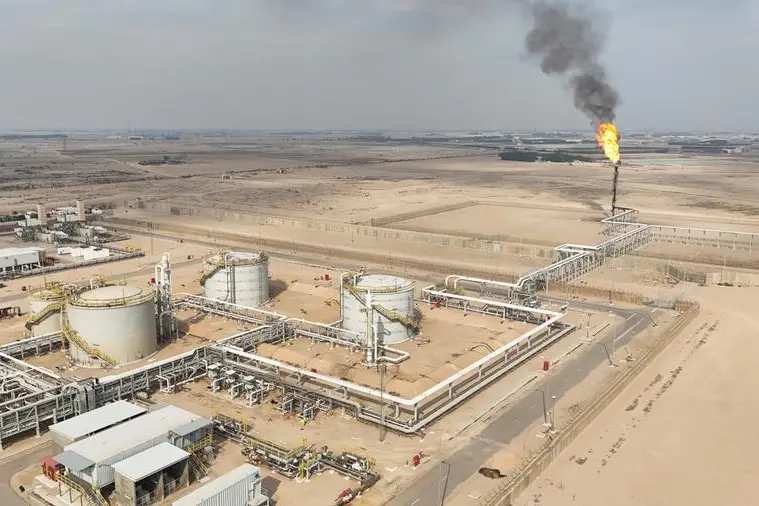
The International Energy Agency added to the cautious outlook on Wednesday, warning that global oil supply would contract by 3.9 million barrels per day this year and that a full return to prewar Gulf export levels is unlikely before early 2027. The agency previously estimated that flows would take at least two months to resume even after the strait formally reopens.thenationalnews
Since the crisis began on February 28, the UN maritime agency has verified 46 attacks on international shipping in and around the strait, with 14 confirmed seafarer fatalities. Roughly 412 ships remain trapped or waiting in the Arabian Gulf, according to Kpler data. The scale of disruption — and the human cost — underscores why the industry is treating the framework agreement as a beginning, not an end.thenationalnews