







Newsletter Subscribe
Enter your email address below and subscribe to our newsletter

Enter your email address below and subscribe to our newsletter
All voices matter
The International Monetary Fund announced on Thursday that it is stepping up financial assistance for at least four African countries to help them manage the economic fallout from the ongoing conflict involving Iran, as currency volatility and rising energy costs continue to strain economies across the continent.
IMF spokesperson Julie Kozack told reporters in Washington that the fund would provide augmented or expedited access to financing for Ethiopia, The Gambia, and Burkina Faso, while talks with Malawi on a new assistance program were advancing rapidly.yahoo
In Ethiopia, the IMF’s staff will recommend accelerated access to a $200 million tranche of an existing loan to the government. Ethiopia is currently engaged in a $3.4 billion program, with a $468 million segment cleared for disbursement this week. In The Gambia, officials have requested a 20 percent increase to their current $172 million program, along with a possible six-month extension. For Burkina Faso, the IMF reached agreement with authorities to boost the size of the country’s program by $51 million, partly to address balance of payments pressures from rising fertilizer import costs.barrons
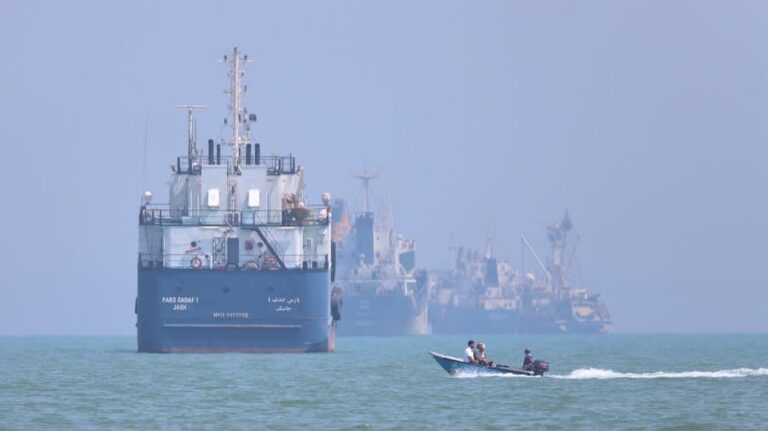
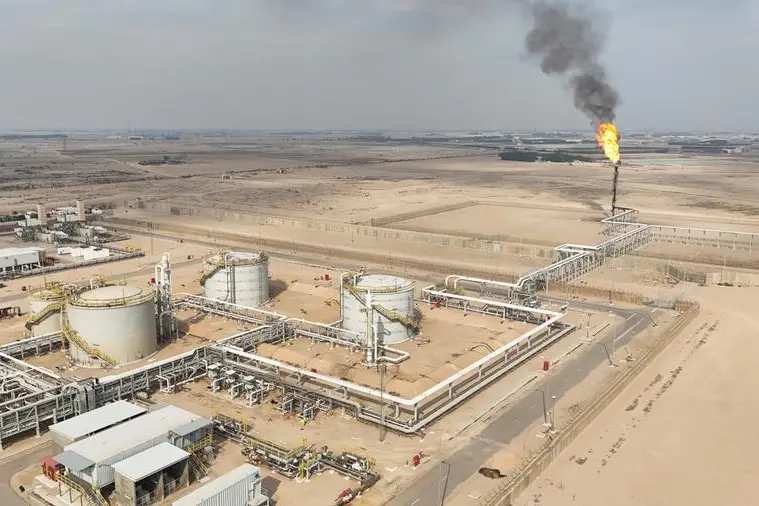
The announcements reflect mounting pressure on African economies from the Middle East conflict, which has disrupted oil markets and driven up energy costs since the closure of the Strait of Hormuz in early March. The IMF warned in April that the war would slow sub-Saharan African growth to 4.3 percent in 2026, down from earlier projections, while pushing median inflation to 5 percent by year-end.facebook
According to Reuters, 27 of 45 sub-Saharan African nations now rely on IMF-supported programs, as the conflict compounds a sharp drop in bilateral aid that fell more than 20 percent in 2025.reuters
African currencies delivered mixed performances against the U.S. dollar in May 2026, with fewer posting gains as inflation concerns, global market uncertainty, and elevated energy prices weighed on exchange rates. A stronger dollar has compounded the challenge for import-dependent economies, increasing costs for fuel, machinery, and food while draining foreign exchange reserves.businessinsider
The IMF’s Regional Economic Outlook for Sub-Saharan Africa, published in April, noted that “hard-won gains” from earlier stabilization efforts were now “under pressure” from external shocks tied to the conflict.imf