







Newsletter Subscribe
Enter your email address below and subscribe to our newsletter

Enter your email address below and subscribe to our newsletter
All voices matter
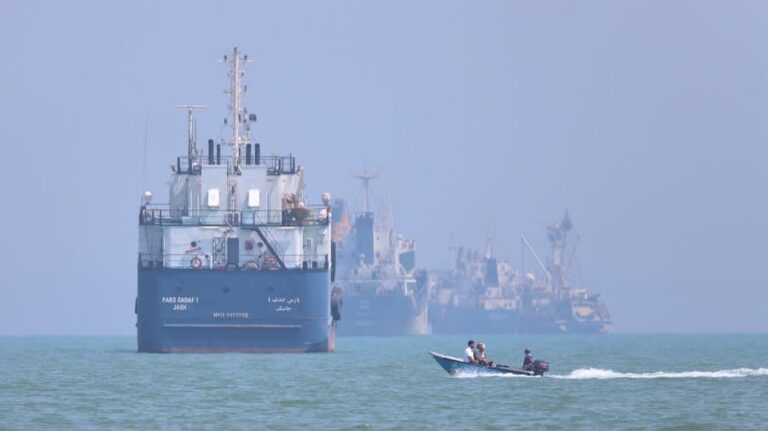
The US-Iran agreement announced this weekend may bring the more than 100-day Strait of Hormuz crisis to a close, but energy analysts and shipping executives warn that the pre-war global oil trade map has been permanently redrawn — with the Western Hemisphere now firmly established as the world’s swing supplier.
On Monday, President Trump said a memorandum of understanding with Iran has been finalized, sending oil prices tumbling roughly 5%. Yet the Associated Press reported that energy experts expect it will take months before Middle Eastern shipping and production operations return to pre-war levels. The U.S. Energy Information Administration forecasts full recovery of pre-conflict trade patterns will not occur until late 2026 or early 2027.apnews
During the closure — which began after joint US-Israeli airstrikes against Iran on February 28 — buyers in Asia and Europe secured alternative routes and locked in long-term contracts with producers outside the Persian Gulf. As the BBC noted on Monday, the strait had carried about 26 crude oil tankers daily before the war, but that traffic will not snap back overnight.bbc
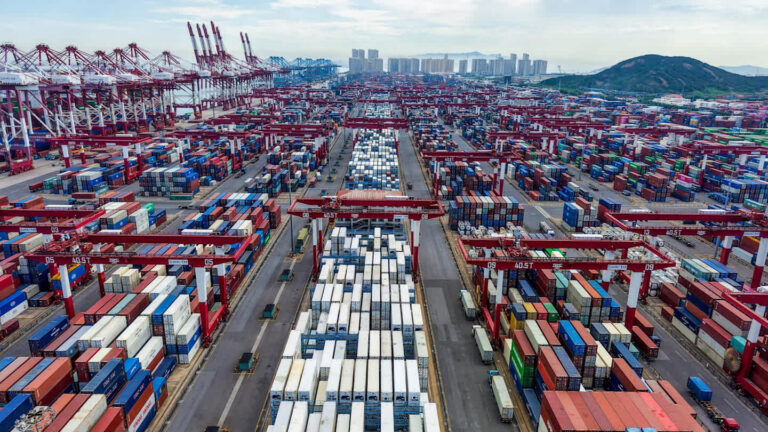
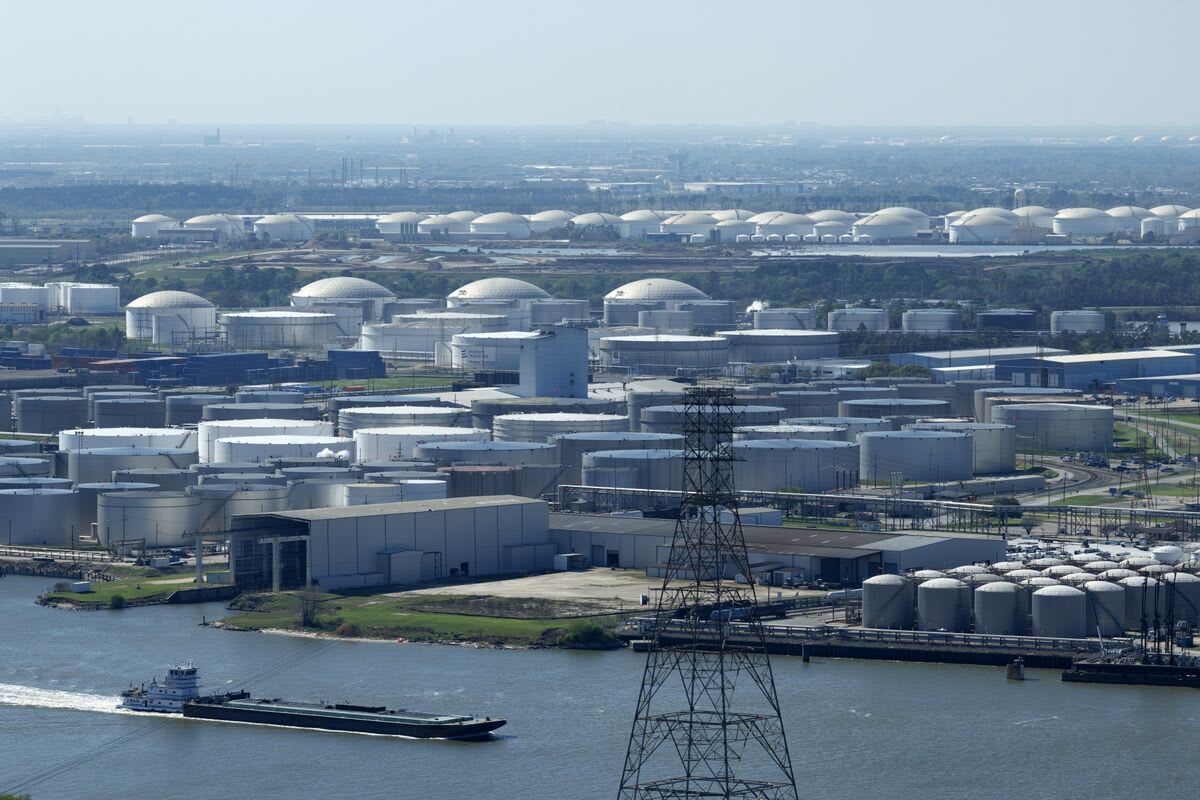
The shift has been dramatic. According to shipping data from BIMCO, crude tanker exports from the Americas reached a record 14.5 million barrels per day in May — a figure the industry body called evidence of a “structural shift” that has been “building for years” but was accelerated by the Hormuz crisis. Reuters reported that US crude and fuel exports alone climbed to about 10.5 million barrels per day in May, making the country the world’s top exporter for a third straight month.reuters
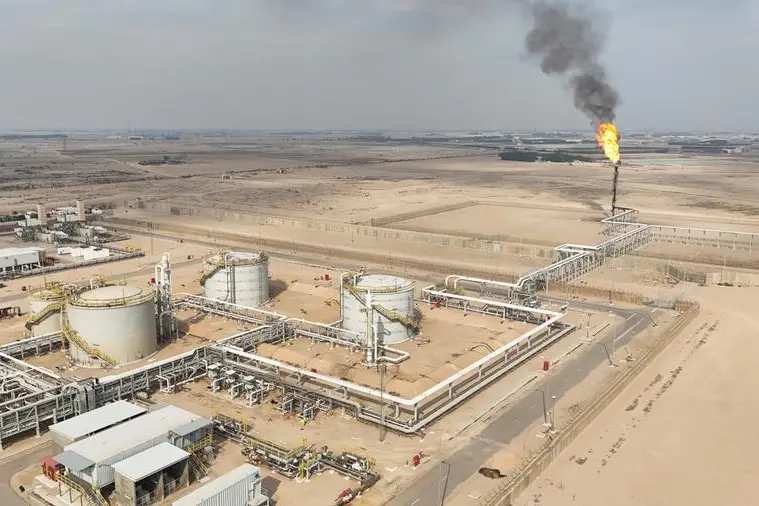
South America has been central to the surge. Reuters reported in early June that Brazil, Guyana, and Venezuela collectively shipped approximately 145 million additional barrels of crude in 2026 compared to the same period a year earlier — the largest year-over-year gain of any producing region. The EIA forecasts Brazil reaching 4.0 million barrels per day in 2026, while Argentina’s Vaca Muerta shale play is expected to push output to about 810,000 barrels per day.reuters
Asia Times reported in May that the Americas are expected to produce around 30 million barrels of oil per day later in 2026, approaching pre-war OPEC production levels. The International Energy Agency had projected before the conflict that virtually all global demand growth in 2026 could be met by supply from the Americas alone.asiatimes
Frontline CEO Lars Barstad told CNBC he expects shipping through the strait to resume quickly once the deal holds, but added that traffic will not return to pre-war levels of 130 to 140 daily vessel crossings anytime soon. For buyers who spent the past three months diversifying away from the Gulf, the incentive to reverse course may simply not exist.cnbc