






Newsletter Subscribe
Enter your email address below and subscribe to our newsletter

Enter your email address below and subscribe to our newsletter
All voices matter
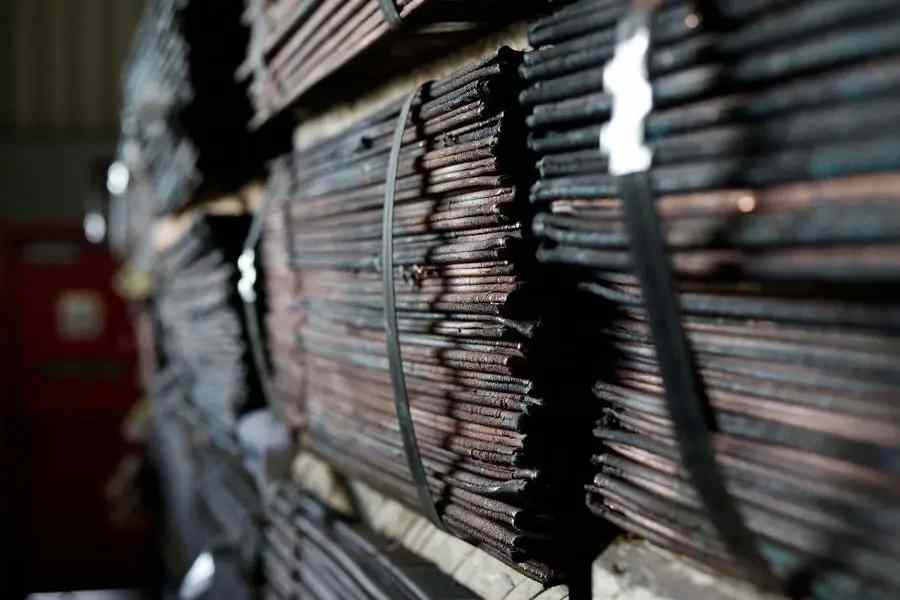
The war in Iran has tightened what the Financial Times on Wednesday called a “super-squeeze” in global metals markets, with copper and aluminium prices surging as supply chains buckle under the weight of disrupted Middle Eastern trade routes. The conflict, which began in March 2026, has upended longstanding assumptions about the relationship between commodity prices and geopolitical risk, with Brent crude rallying 37 percent since hostilities broke out while industrial metals face their own supply crisis.threads
Copper and aluminium had already been rallying before the Iran conflict hit supply, but the effective closure of the Strait of Hormuz has now severed a critical artery for raw materials and petrochemical feedstocks. Aluminium futures hit approximately $3,630 per ton in April, up 50 percent year-on-year. Darren Gordon of Centaurus Metals noted that the crisis is exposing deeper vulnerabilities, particularly in sulfur and sulfuric acid markets — critical inputs for nickel production — reshaping mining economics globally.youtube
The squeeze extends well beyond precious metals. The chemical sector faces sustained disruption, with Chemical & Engineering News reporting that the war has “hampered chemical production in the Middle East and Asia” as energy installations have been struck and ships remain unable to exit the Persian Gulf. S&P Global flagged chemical markets as navigating severe disruptions from the outset of the conflict.acs
ExxonMobil on June 10 published a warning that “unprecedented shocks to premium base oil supply from the Middle East” are straining the global lubricants value chain, threatening products like Mobil 1 synthetic motor oil. The company said it is leveraging reformulation capabilities, diversified sourcing, and its integrated global manufacturing assets to maintain supply.exxonmobil
The Independent Lubricant Manufacturers Association told the U.S. Department of Energy in April that approximately 44 percent of U.S. Group III base oil demand — the building blocks of high-performance lubricants — is typically supplied from the Persian Gulf and is now largely offline. Shell’s Pearl GTL facility in Qatar was damaged by Iranian rocket strikes, halting production of roughly 30,000 barrels per day, with repairs expected to take at least a year. Force majeure declarations from producers in Bahrain and the UAE have compounded the shortage.ilma
Axios reported in May that O’Reilly Automotive warned investors that “the conflict in Iran and resulting limitations on global oil supply could disrupt certain categories, particularly motor oil”. ILMA warned the U.S. base oil market could remain under sustained pressure through at least 2027, with new capacity from Chevron and ExxonMobil not expected online until then.axios
CNBC reported that ExxonMobil Senior Vice President Neil Chapman cautioned in late May that oil inventories are approaching “really, really low levels” due to the conflict. The lubricants and chemicals disruption represents a widening front in the economic fallout from a war that has already reshaped global energy markets.cnbc