







Newsletter Subscribe
Enter your email address below and subscribe to our newsletter

Enter your email address below and subscribe to our newsletter
All voices matter
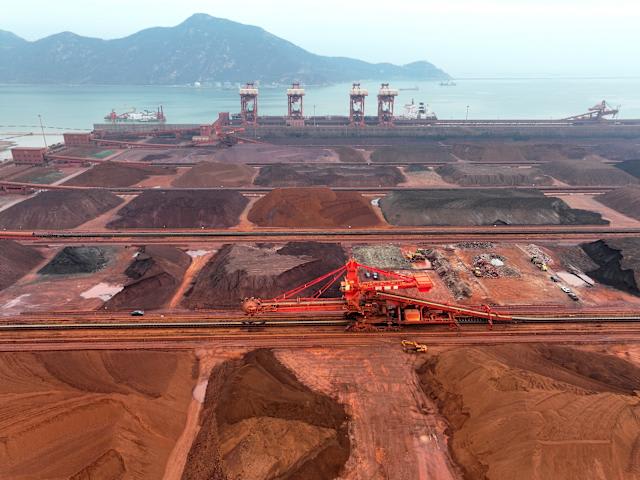
Iron ore futures sank below $100 a ton for the first time since March, as abundant seaborne supplies collide with weakening demand in China, the world’s largest consumer of the steelmaking ingredient.
Futures shed as much as 2.1% to $99.10 a ton in Singapore on Monday, dropping for a second consecutive session, according to Bloomberg. The decline extends a slide that has seen prices fall roughly 8% over the past month from levels above $110 in May.steelorbis
Data released by China’s National Bureau of Statistics on June 15 showed the country’s crude steel output fell 3.9% year-on-year in the January-to-May period, totaling 415.53 million tonnes. In May alone, crude steel production reached 84.36 million tonnes, down 2.7% from a year earlier. The figures extend a prolonged contraction in Chinese steelmaking that began in 2025, when annual output dropped below one billion tonnes for the first time in six years.reuters
The downturn reflects persistent weakness in China’s property sector, which has historically been the dominant source of steel demand. Fixed-asset investment has remained subdued, while government infrastructure spending has failed to fully offset the construction slump.
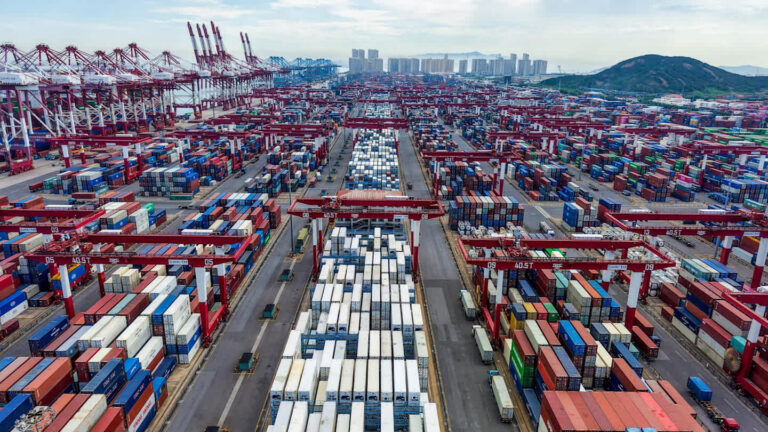
On the supply side, seaborne shipments from major exporters Australia and Brazil have remained robust, contributing to elevated port inventories in China. Reuters reported that iron ore prices have fluctuated within a narrow $14-per-ton range for much of 2026, with the recent drop pushing them toward the lower bound.indexbox
Adding to the longer-term supply outlook is the Simandou project in Guinea, which shipped its first commercial cargo to China in January. Rio Tinto expects initial sales of 5 to 10 million tonnes in 2026, while Wood Mackenzie projects exports of around 16 million tonnes this year, with volumes rising progressively thereafter. Once fully ramped, the project could produce up to 120 million tonnes annually.breakwaveadvisors
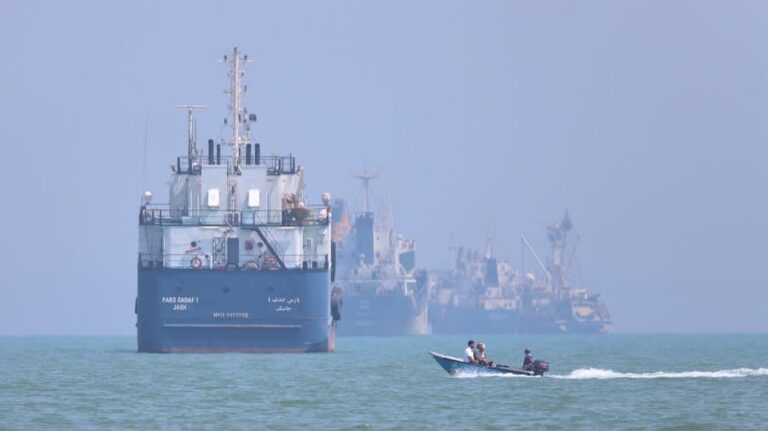
Analysts cited weakening freight rates linked to easing concerns over the Strait of Hormuz as removing another layer of cost support for iron ore. The combination of flat-to-declining Chinese demand and new low-cost supply sources has reinforced expectations of a structural surplus building through 2027 and beyond. Market participants surveyed at the Singapore Iron Ore and Steel Forum, held on June 16, indicated that further price softness is likely in the second half of 2026.mysteel