Newsletter Subscribe
Enter your email address below and subscribe to our newsletter

Enter your email address below and subscribe to our newsletter
All voices matter
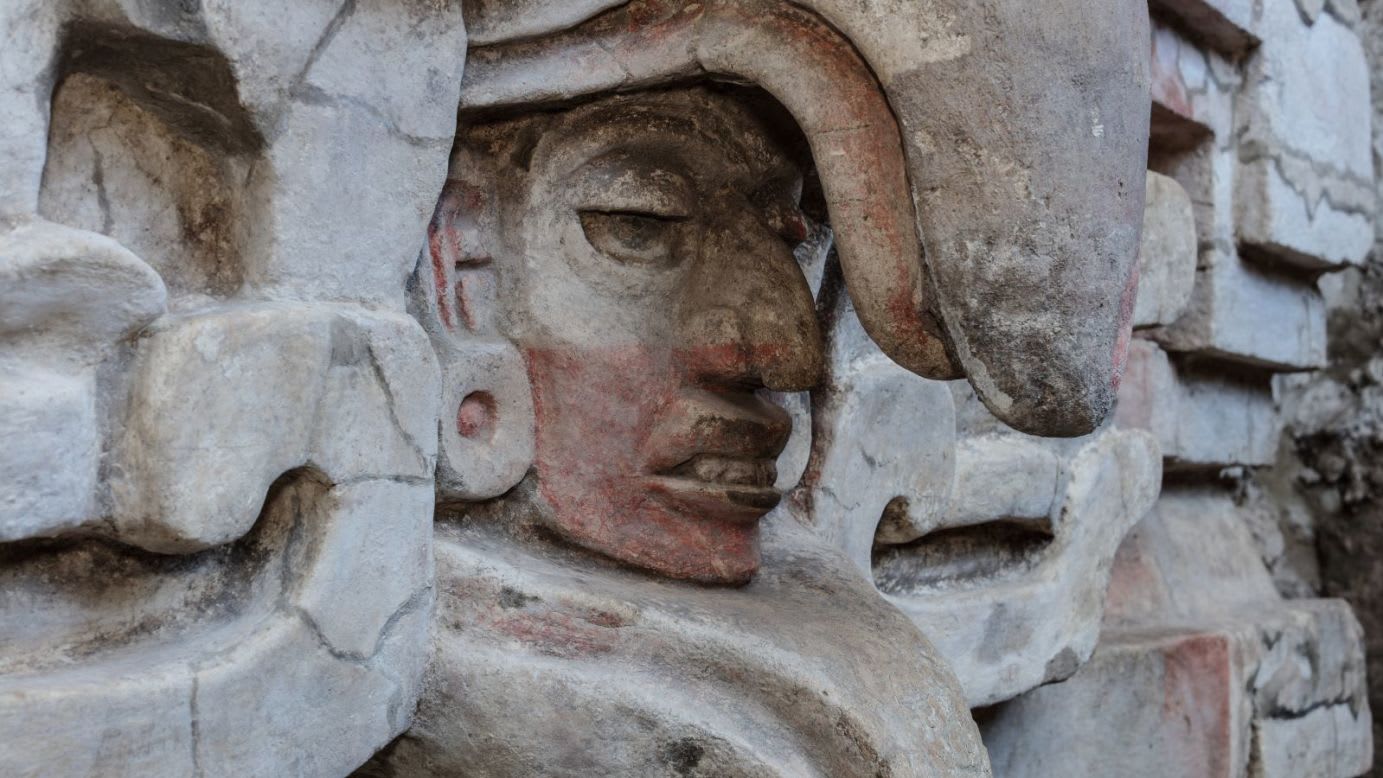
Archaeologists in southern Mexico have uncovered a remarkably preserved Zapotec burial tomb dating to around 600 AD, featuring a striking owl sculpture with a human head emerging from its beak. Mexican President Claudia Sheinbaum announced the find at a January 23 news conference, calling it “the most significant archaeological discovery of the last decade.”livescience
The tomb, designated Tomb 10 of Huitzo, was discovered following an anonymous tip about looting at the site on Cerro de la Cantera in San Pablo Huitzo, in the Central Valleys of Oaxaca. The subsequent investigation by Mexico’s National Institute of Anthropology and History (INAH) revealed a funerary complex that experts say offers valuable new insights into the ancient Zapotec civilization, often referred to as the “Cloud People.”mexiconewsdaily
The tomb’s most distinctive feature is a large carved owl positioned above the entrance to the burial chamber. Within the owl’s beak sits the painted face of a Zapotec lord, likely representing the individual for whom the tomb was constructed. In Zapotec cosmology, owls symbolize both night and death, reinforcing the tomb’s sacred funerary purpose.gulfnews
Inside the burial chamber, archaeologists found an expansive mural painted in ochre, white, green, red and blue, depicting a procession of figures carrying bags of copal, a tree resin burned as incense during pre-Hispanic ceremonies. Stone slabs at the threshold are engraved with calendrical names, while carved figures of a man and woman flank the doorway, possibly serving as symbolic guardians of the tomb.kioncentralcoast
Culture Secretary Claudia Curiel de Icaza described the discovery as “exceptional due to its level of preservation and what it reveals about Zapotec culture: its social organization, funerary rituals, and worldview, preserved in its architecture and mural paintings.”riviera-maya-news
The tomb appears linked to the ancient kingdom of Huijazoo, whose capital stood on nearby Cerro de la Campana. This places the site in proximity to Tomb 5, discovered in 1985 and often compared to the Sistine Chapel for its artistic achievement. INAH considers the area to have been an acropolis contemporary to Monte Albán, the great Zapotec capital of that era.wikipedia
An interdisciplinary INAH team is conducting conservation work, with officials working to stabilize the fragile murals, which have been affected by tree roots, insects and environmental changes. Curiel de Icaza announced that stabilization efforts are underway to open the site to the public by the end of the year.mexiconewsdaily