Newsletter Subscribe
Enter your email address below and subscribe to our newsletter

Enter your email address below and subscribe to our newsletter
All voices matter
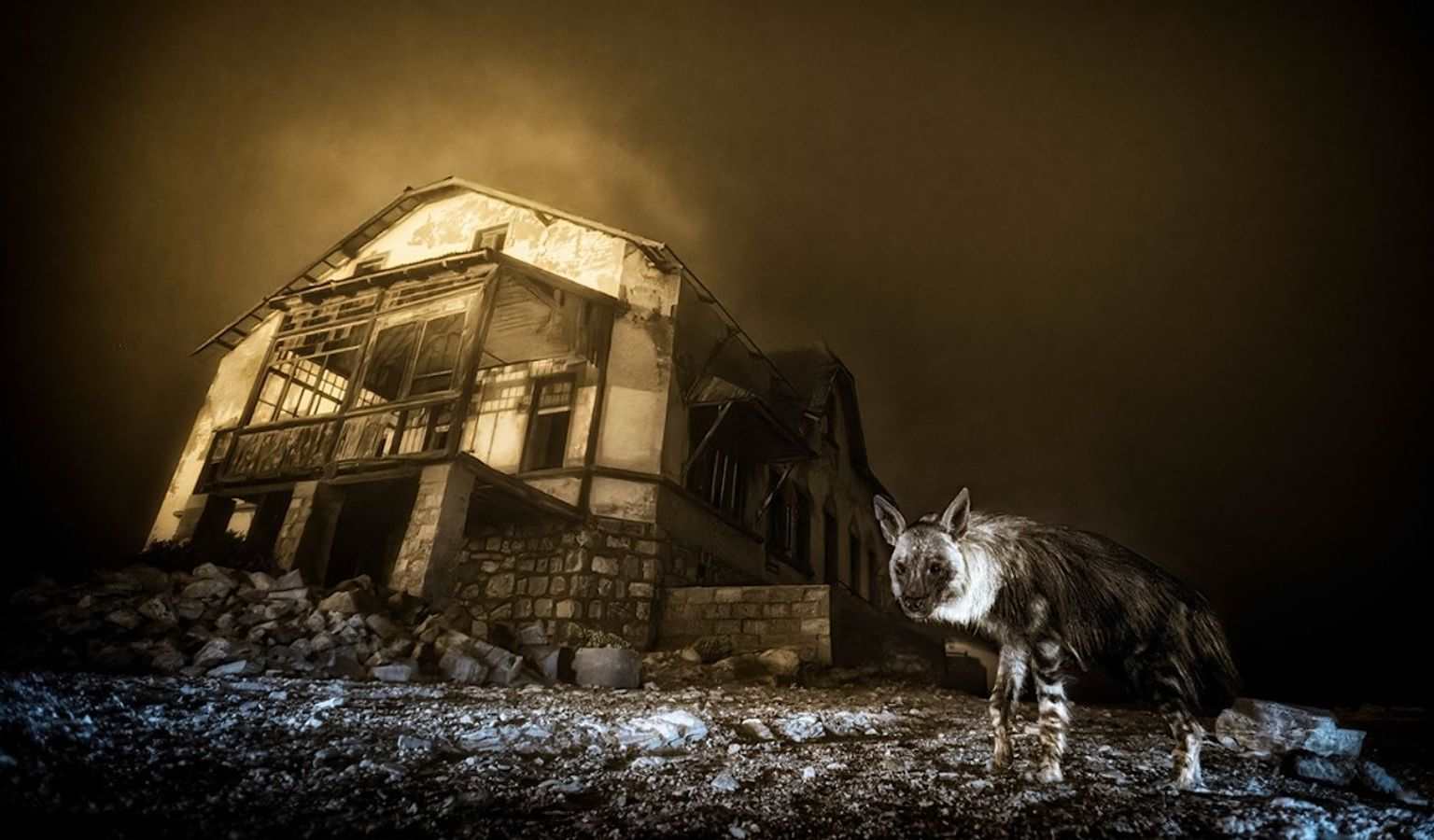
The Natural History Museum in London revealed the winners of the 61st Wildlife Photographer of the Year competition on Tuesday evening, with South African photographer Wim van den Heever taking the grand title for a haunting image of a rare brown hyena in an abandoned Namibian mining town.abc
Van den Heever’s winning photograph, titled “Ghost Town Visitor,” captures one of the world’s rarest hyena species wandering through the skeletal remains of Kolmanskop, a deserted diamond mining settlement in the Namib Desert. The image, which also won the Urban Wildlife category, required a decade of patience and camera trap technology to achieve.forbes
Selected from a record 60,636 submissions across 113 countries and territories, this year’s winners demonstrate the breadth and diversity of contemporary wildlife photography. The competition, now in its 61st year, stands as the world’s largest nature photography contest.abc
Italian photographer Andrea Dominizi made history by becoming the first Italian to win Young Wildlife Photographer of the Year for his image “After the Destruction”. His photograph features a longhorn beetle positioned against abandoned logging machinery in central Italy’s Lepini Mountains, highlighting the impact of habitat destruction.itv
The competition’s Impact Award went to Brazilian photographer Fernando Faciole for “Orphan of the Road,” documenting an orphaned giant anteater pup following its caregiver at a rehabilitation center. The image draws attention to road collisions as a leading cause of giant anteater population decline in Brazil.nhm
This year’s exhibition incorporates the Natural History Museum’s newly developed Biodiversity Intactness Index (BII), a scientific measure evaluating regional biodiversity from 0 to 100 percent. The BII serves as an official indicator within the Global Biodiversity Framework, providing visitors insight into habitat changes depicted in the winning photographs.forbes
The top 100 photographs will be displayed at the Natural History Museum from October 17, 2025, through July 12, 2026, before embarking on national and international tours. The exhibition aims to foster appreciation for the natural world while highlighting critical conservation issues facing wildlife globally.itv