






Newsletter Subscribe
Enter your email address below and subscribe to our newsletter

Enter your email address below and subscribe to our newsletter
All voices matter
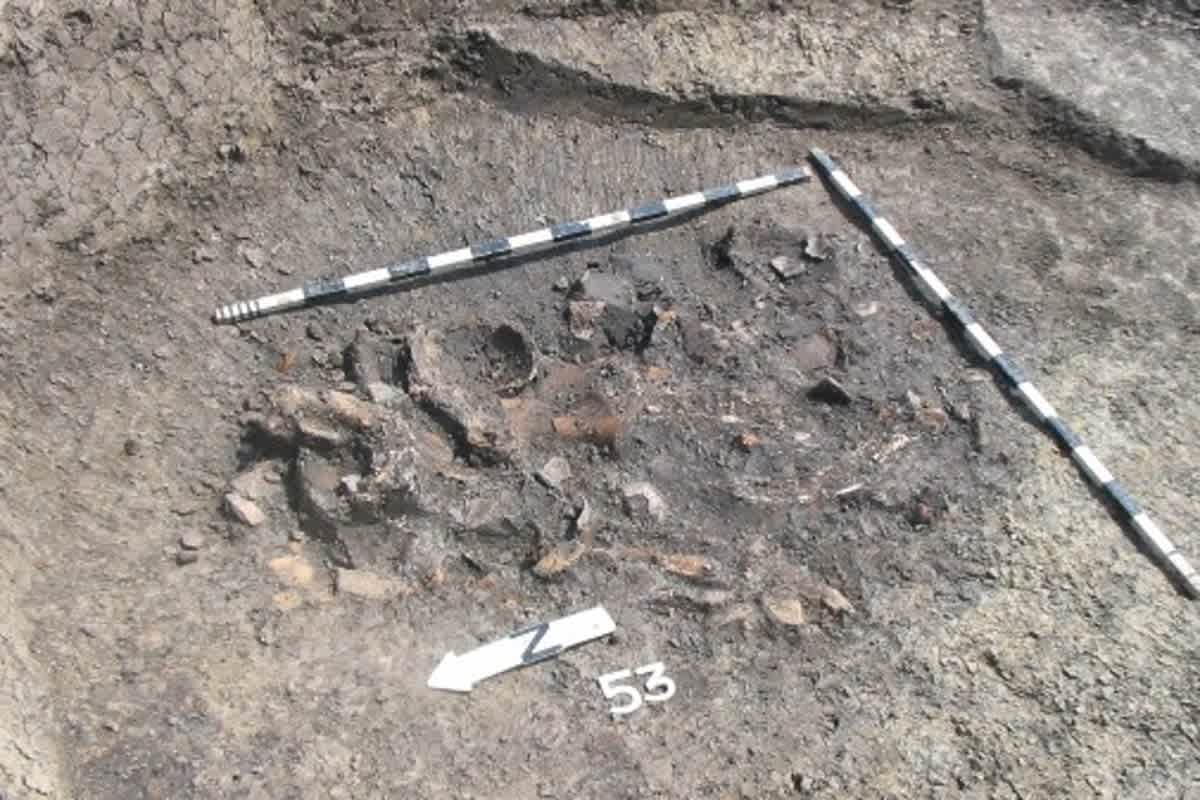
A new archaeological project launched this week aims to uncover how Europe’s first farmers managed waste as they transitioned to settled life around 8,000 years ago, offering insights that could reshape modern approaches to refuse.york
The research, announced by the University of York on November 24, examines a puzzling practice: Unlike today’s disposal methods, Neolithic communities often kept rubbish in pits within their homesteads rather than moving it away. This counterintuitive behavior may reveal early concepts of ownership and recycling that predate contemporary waste management by millennia, according to researchers.independent
“Keeping rubbish close to the home could suggest a sense of ownership—did they feel responsible for their waste and therefore chose to deal with it within the vicinity of their home?” said Professor Penny Bickle, from the University of York’s Department of Archaeology. The practice may also indicate that early farmers understood discarded items “could potentially be used again,” challenging Western assumptions about waste disposal.york
The project, formally titled “RENEW – From Refuse to Resource,” is a collaboration between the University of York and Freie Universität Berlin, with partners in Austria, Poland, Romania, Serbia and Slovakia. Funded jointly by the Deutsche Forschungsgemeinschaft and the Arts and Humanities Research Council, the team will study four archaeological sites from the Balkans to the Baltic coast.dfg
Dr. Bruno Vindrola-Padros from Christian Albrecht University of Kiel has developed techniques to detect repurposed pottery, revealing some of the earliest forms of recycling. “One possible explanation for keeping waste items close to the home is an emotional one—these possessions often carry meaning beyond their practical use, as demonstrated by their inclusion in burial rituals,” he said.york
The research focuses primarily on pottery, which survives thousands of years, and animal bones, which decay more readily. Using scientific techniques and digital tools, researchers will reconstruct the “life stories” of discarded objects to understand how waste impacted homes, villages and daily routines.independent
Professor Henny Piezonka from Freie Universität Berlin’s Institute of Prehistoric Archaeology emphasized the contemporary relevance: “Today we see rubbish as a problem, but did early farmers see it that way too?” The team hopes understanding past waste management strategies could inspire new thinking about modern disposal habits.miragenews