






Newsletter Subscribe
Enter your email address below and subscribe to our newsletter

Enter your email address below and subscribe to our newsletter
All voices matter
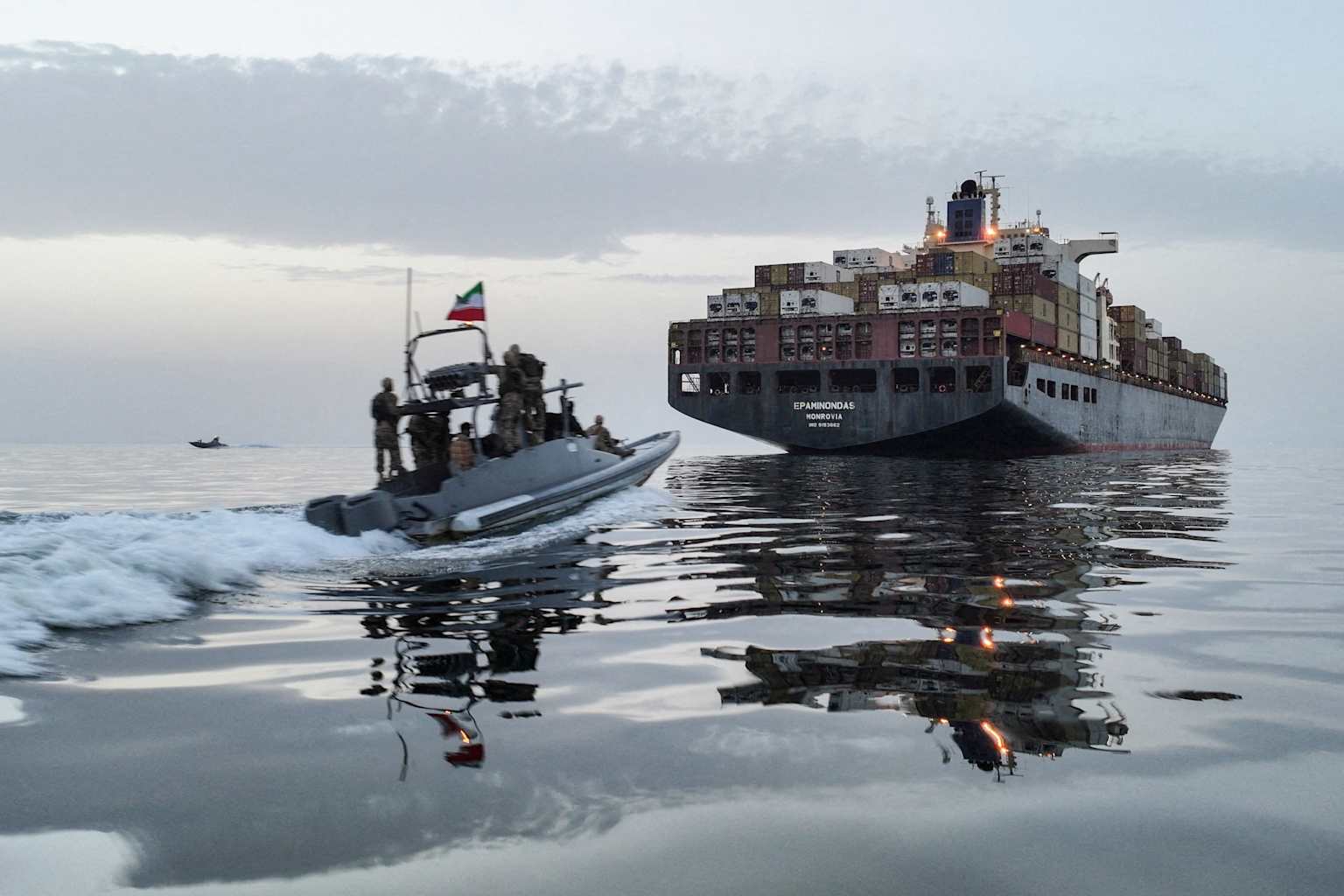
The tentative U.S.-Iran agreement to end hostilities and reopen the Strait of Hormuz has sent oil prices tumbling, but energy analysts across multiple institutions are cautioning that restoring global oil and gas flows to pre-war levels will take months — and in some cases, years.
The deal, announced Sunday and set to be signed on Friday, June 19, would formally reopen the strait, which Iran effectively shut in late February after the outbreak of the U.S.-Iran conflict. Yet experts say the logistics of resuming normal energy trade through the world’s most critical maritime chokepoint are daunting.reuters
Economists at Capital Economics estimate that energy flows will reach only 80% of pre-war levels by September. Sultan Ahmed Al Jaber, head of the Abu Dhabi National Oil Company, told The New York Times it would take “at least four months to get back to 80 percent of pre-conflict flows”. Reuters reported that fields affected by the strait’s closure could return to around 70% of previous production within three months and 90% within six months, assuming a cautious ramp-up.sfchronicle
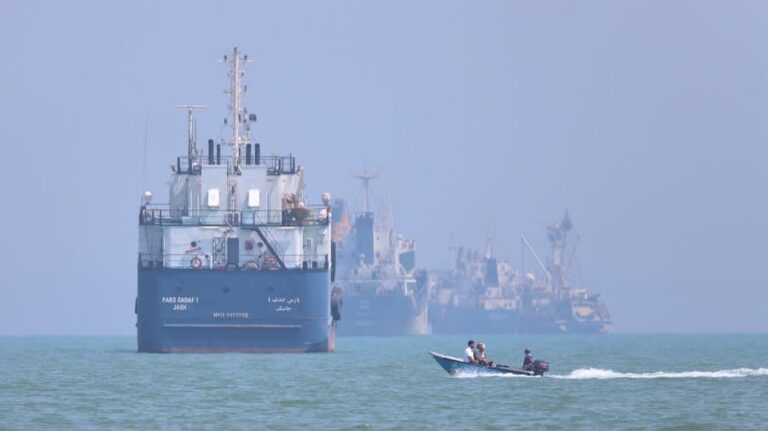
Around 600 commercial vessels remain trapped in the Persian Gulf, including roughly 250 tankers, according to maritime tracking data. Maritime authorities warned Monday that the U.S. blockade of Iranian ports “remains in effect pending execution” of the ceasefire agreement, and instructed vessels not to attempt crossings until explicit clearance is given.gcaptain
War-risk insurance premiums remain a barrier to normalization. Premiums currently sit at around 1–4% of a vessel’s hull value per transit, compared with below 0.1% before the conflict. The National News reported that one seven-day policy now costs 4% of ship value, versus 0.001% pre-crisis — a roughly 4,000-fold increase.aljazeera
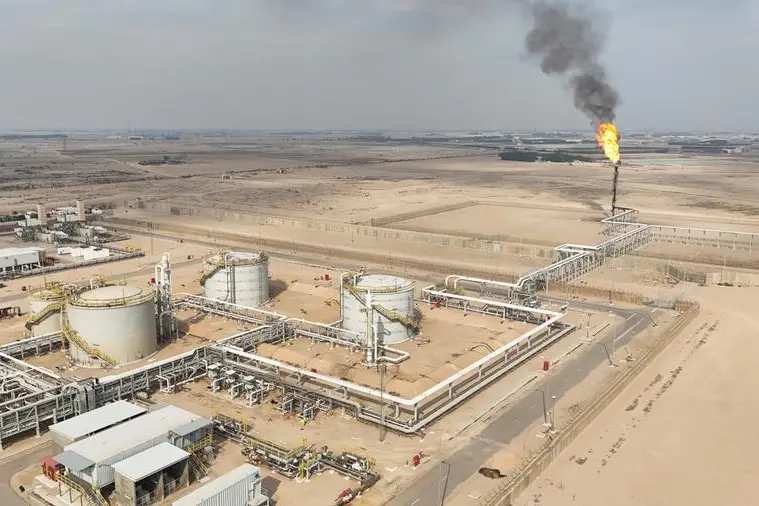
Bader Nooruddin, head of research at Vitol Bahrain, said Gulf refineries could reach 90–95% capacity within 40 to 60 days. But broader commercial normalization may take four to six months, analysts told Mansfield Energy.mansfield
Some infrastructure damage will take far longer to address. Iranian missile strikes on Qatar’s Ras Laffan Industrial City in March destroyed 17% of the country’s LNG export capacity — equivalent to 12.8 million tonnes per year — with repairs expected to take three to five years. QatarEnergy declared force majeure on long-term contracts supplying Italy, South Korea, and other markets.globallnghub
The International Energy Agency estimates that over 14 million barrels per day of oil production remains offline, representing roughly 14% of global demand. Even once flows resume, the depletion of global inventories will create what Reuters described as a market “hangover” that could persist for years.reuters