






Newsletter Subscribe
Enter your email address below and subscribe to our newsletter

Enter your email address below and subscribe to our newsletter
All voices matter
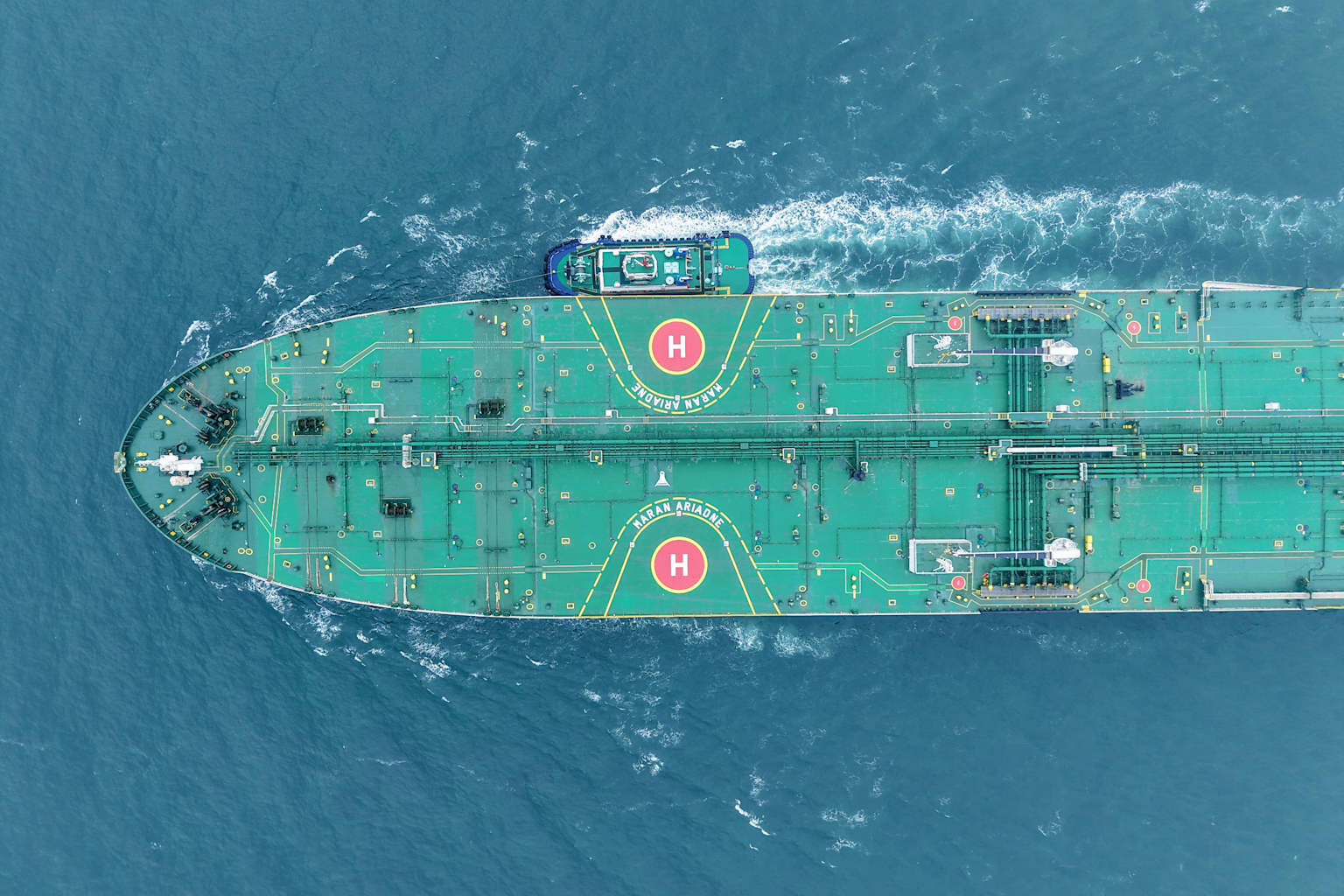
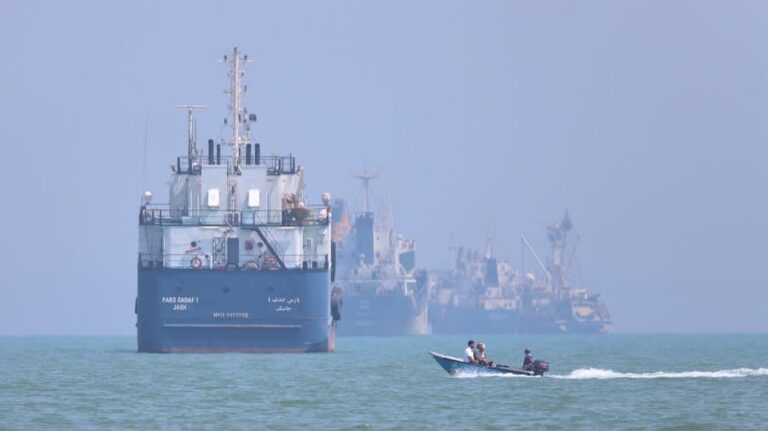
Oil tanker owners who have reaped extraordinary profits from the disruption of shipping through the Strait of Hormuz are now bracing for a sharp fall in freight rates if the waterway fully reopens, according to the Financial Times. Shipowners invested windfall earnings into ordering new vessels, a bet that could backfire if the strait’s reopening unleashes a wave of tonnage onto the market.ft
Since the U.S.-Israel conflict with Iran began on February 28, the Strait of Hormuz — through which roughly 20 percent of the world’s oil flows during peacetime — has been effectively shut to most commercial traffic. The blockade sent tanker rates to record levels as longer alternative routes tied up vessels for extended periods. Shipping companies used the windfall to place orders for new tankers, creating the conditions for a potential glut once normal traffic resumes.aljazeera
The strait was briefly reopened by Iran on April 16 before being shut again the following day, with Iranian naval forces reportedly firing on some vessels. Since then, traffic has remained a fraction of the pre-war average of about 138 daily transits. Maritime data firm Kpler counted 895 ships crossing between March 1 and May 19, with more than half using an Iranian-controlled route. However, as of early June, verified outbound commercial transits had dropped to zero on some days. According to Morningstar, 57 loaded Very Large Crude Carriers remain stranded around the strait, with the closure likely to persist through August.fortune
Separately, U.S. Indo-Pacific Command announced on Friday that its forces boarded the sanctioned stateless tanker MT Davina in the Indian Ocean. The supertanker, capable of carrying up to 2 million barrels of crude oil, was found approximately 20 nautical miles southwest of Sri Lanka. The vessel was sanctioned in October 2024 for transporting Iranian oil and has reportedly carried roughly 20 million barrels of Iranian crude since then. The operation was described as a “maritime interdiction and right-of-visit boarding,” with U.S. Navy helicopters landing troops on the vessel.reuters
A tension has emerged between U.S. military tallies and commercial tracking data. Fortune reported that Kpler’s figures showed 895 ship crossings over nearly three months, while the U.S. military has guided about 70 ships through in recent weeks via an operation called “Project Freedom”. CNBC reported that nearly 40 previously stranded vessels exited the Persian Gulf over the past three weeks by coordinating quietly with the U.S. Navy, though officials say formal escorts are not being provided. The discrepancy between military and commercial counts underscores the opaque and fragmented nature of navigation in the contested waterway.cnbc