







Newsletter Subscribe
Enter your email address below and subscribe to our newsletter

Enter your email address below and subscribe to our newsletter
All voices matter
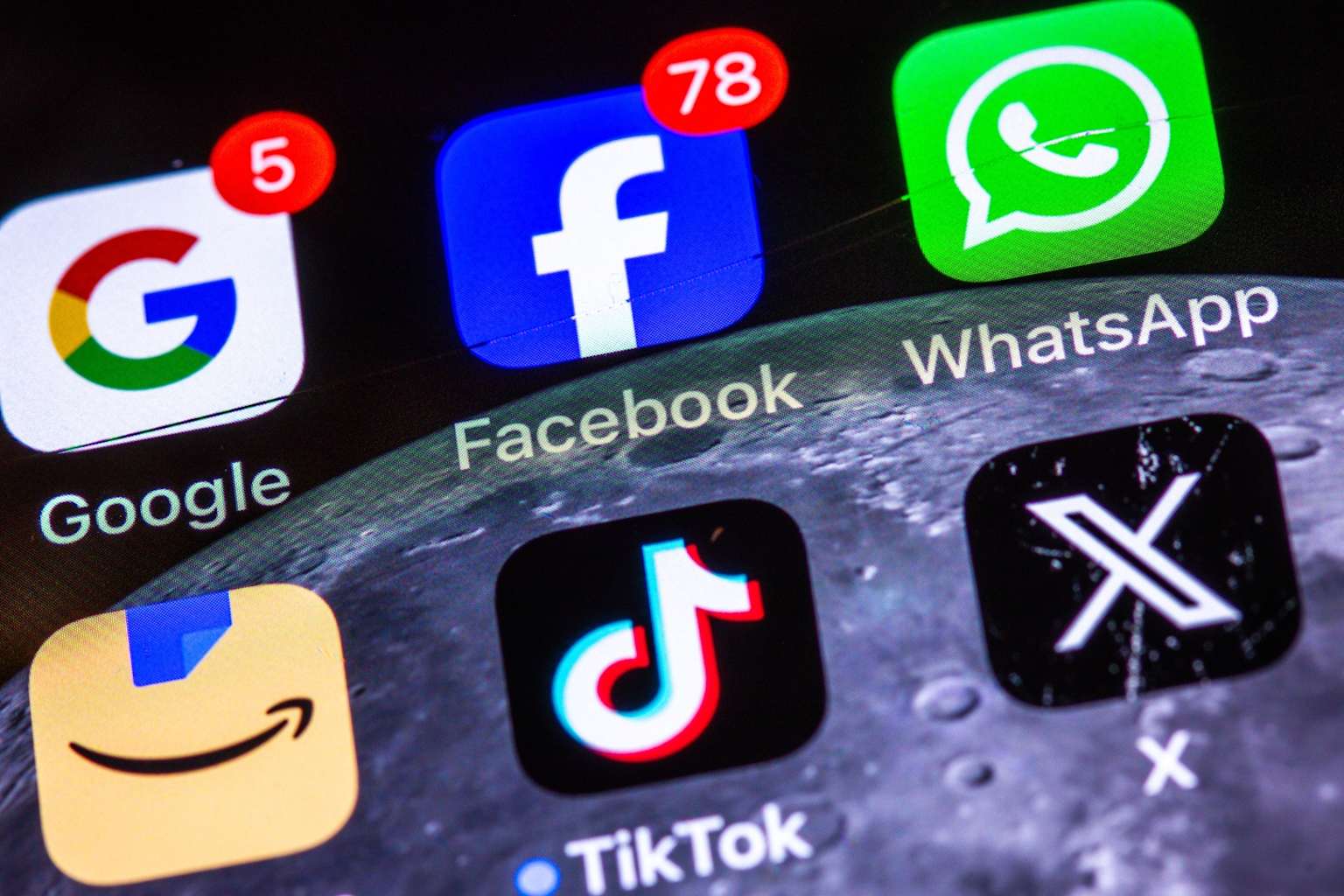
Social media and video platforms have surpassed television as the world’s leading source of news for the first time, according to the Reuters Institute for the Study of Journalism’s 2026 Digital News Report, published Tuesday. The milestone shift arrives alongside a warning: trust in news has dropped to its lowest level since the institute began tracking it.
The annual report, covering 48 markets worldwide, found that 54% of respondents said they accessed news from social media or video platforms in the week before the survey — a figure that rises to 56% when AI chatbots like ChatGPT are included. Television came in at 52%, followed by newspaper apps or websites at 51% and radio at 21%.japantimes
The year 2026 marks “a significant milestone: for the first time, social media and video network consumption is now ahead of other news sources as the most widely used source of news globally,” wrote lead author Jim Egan.ox
Three in 10 respondents globally said social media or video platforms were their main source of news. Among those aged 18 to 24, that proportion rose to half.japantimes
Even as audiences migrate to platforms, their confidence in the information they find there remains weak. Trust in news has fallen in 29 of the institute’s 48 markets this year, dropping to the lowest level recorded since tracking began in 2015. The paradox is stark: audiences are gravitating toward sources they trust less than the traditional outlets they are leaving behind.ox
TikTok has become the fastest-growing social and video network for news, now used by 17% of people worldwide — a four-percentage-point increase from the prior year. The use of AI chatbots for news is also rising, particularly among those under 25, where adoption is twice as high as in the general population. Many respondents, however, expressed concern that AI will diminish the transparency, accuracy, and trustworthiness of news.bbc
The findings underscore a broader restructuring of the news ecosystem, with traditional media business models under growing pressure as audiences fragment across platforms that prioritize algorithmic personalization over editorial curation.japantimes