Newsletter Subscribe
Enter your email address below and subscribe to our newsletter
Enter your email address below and subscribe to our newsletter

All voices matter
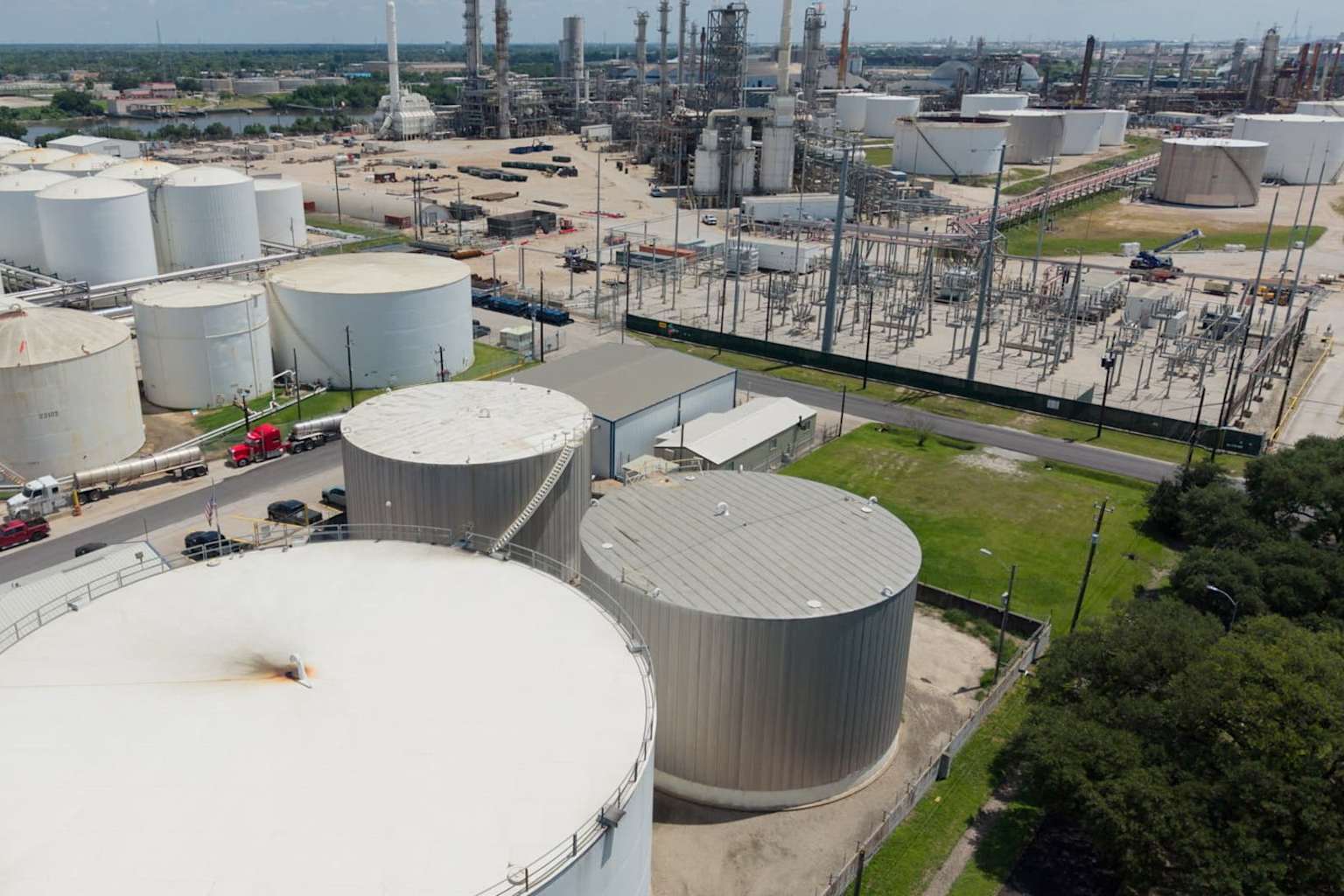
The worst of the oil price crisis triggered by the Strait of Hormuz closure appears to be over, but prices could face renewed upward pressure as depleted inventories force buyers back into the market, according to Jim Burkhard, Vice President and Head of Research for Oil Markets, Energy and Mobility at S&P Global Energy.
“Oil prices will remain volatile, but we expect Brent to move into the $80-$90 range,” Burkhard told Business Standard on the sidelines of S&P Global Energy’s New Delhi Energy Briefing on Tuesday. He placed the firm’s “centre of gravity for oil prices” at around $75 per barrel, with fluctuations above and below depending on geopolitical developments and the pace of supply recovery.devdiscourse
Burkhard warned that record-pace inventory drawdowns over the past two-and-a-half months could push companies to accelerate crude purchases. “We’ve had inventories fall at a record pace over the last two and a half months. So how comfortable will companies be with inventories at lower levels? We’re going to find out. If they’re not comfortable, they’re going to be buying more oil, which could put some moderately upward pressure on prices over the coming months,” he said.devdiscourse
The U.S. Energy Information Administration estimated in its latest Short-Term Energy Outlook that global oil inventories fell by an average of 8.5 million barrels per day in the second quarter of 2026, keeping Brent around $106 per barrel in May and June before an expected decline as Strait of Hormuz flows resume. China, Japan, and South Korea drew heavily on their strategic reserves during the crisis, and Burkhard noted that a lot now depends on China, which cut purchases during the disruption.eia
The US-Iran memorandum of understanding signed on June 17 set a 60-day framework for a final deal and paved the way for shipping to resume through the strait. However, analysts have cautioned that restoring the roughly 14 million barrels per day taken offline during the conflict’s peak will be neither swift nor smooth. Clearing mines, restoring insurance coverage, and repairing damaged infrastructure all require time, keeping supply-side uncertainty elevated.euronews
Oil prices have already retreated sharply from the April peak above $130 per barrel but remain above pre-conflict levels. Following the US Treasury’s announcement of a 60-day sanctions waiver on June 22, Brent fell below $78 per barrel.aljazeera
S&P Global’s analysis highlighted India’s resilience during the crisis. Despite a 17 percent disruption in global LNG supply caused by the Hormuz closure, India’s LNG imports declined only 5 percent year-on-year in April and 2 percent in May 2026, thanks to diversified sourcing from Oman, the United States, Nigeria, and Angola.indiatimes
“India is expected to retain some of this diversified LNG sourcing considerations to mitigate future disruptions, potentially influencing its long-term sourcing strategies,” said Johan Utama, Principal Research Analyst at S&P Global Energy. Burkhard added that the world is unlikely to return to the pre-crisis energy order, predicting the disruption will “reverberate in energy policy and investment decisions around the world, particularly in Asia, for a long time to come”.devdiscourse