




Newsletter Subscribe
Enter your email address below and subscribe to our newsletter

Enter your email address below and subscribe to our newsletter
All voices matter
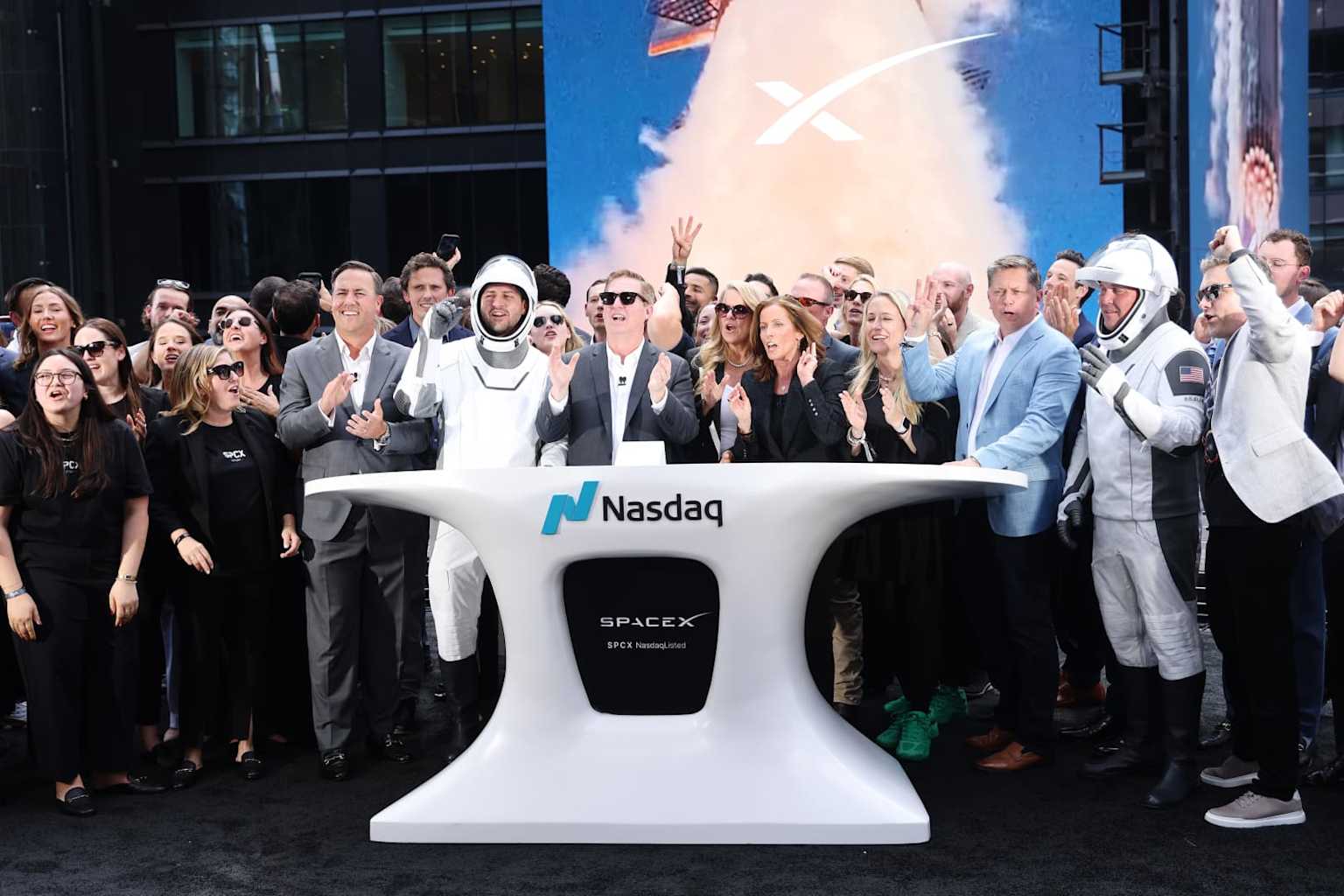
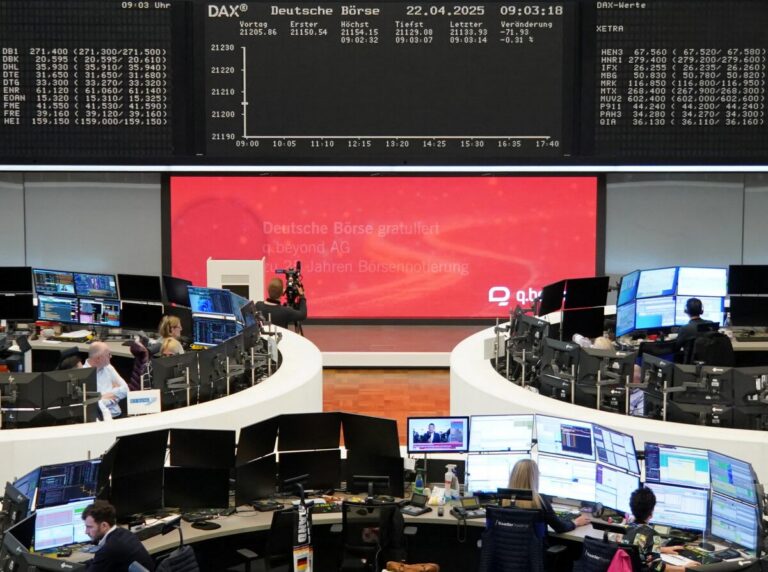
SpaceX began trading on the Nasdaq on Friday under the ticker SPCX, closing its first session at $160.95 — a 19% gain from its $135 offer price — after the company raised $75 billion in the largest initial public offering ever recorded.cnbc
Shares opened at $150 and climbed as high as $176.52 during intraday trading before settling back, according to MarketWatch. After the closing bell, which SpaceX executives rang at the Nasdaq, the stock continued to climb nearly 3.5% in after-hours trading to $166.76, pushing the company’s market capitalization to approximately $2.2 trillion, according to CNBC.marketwatch
The IPO priced on Thursday evening at $135 per share, with the company selling all 555,555,555 shares on offer, as confirmed by The Wall Street Journal. The deal was led by Goldman Sachs and Morgan Stanley, with underwriters holding a greenshoe option for an additional 83.3 million shares that could raise another $11.25 billion.wsj
The offering more than doubled the previous record set by Saudi Aramco’s $29.4 billion listing in 2019, according to Bloomberg.bloomberg
The debut placed Elon Musk on the verge of becoming the world’s first trillionaire. Prior to the IPO, a Wall Street Journal analysis pegged his fortune at roughly $970 billion, mostly held in stock. With his reported 6.4 billion SpaceX shares, Barron’s had previously calculated that his SpaceX stake alone could be worth $830 billion, which combined with his Tesla holdings would push him past $1 trillion. Bloomberg reported Musk was “on the verge” of trillionaire status following Friday’s trading.youtube
Ahead of the listing, both MSCI and FTSE Russell moved to accommodate SpaceX’s rapid entry into major indexes. MSCI confirmed on June 8 that it would apply existing rules for early inclusion of large IPOs in its Global Standard Indexes, while FTSE Russell changed its rules to allow megacap companies to enter Russell indexes after just five days of public trading.reuters
However, S&P Dow Jones Indices rejected a proposal to fast-track megacap IPOs into the S&P 500, maintaining its 12-month seasoning and GAAP profitability requirements. SpaceX allocated an unprecedented 30 percent of shares to retail investors, far exceeding the typical 5 to 10 percent. Investor demand reportedly reached $250 billion — nearly four times the planned offering — according to Reuters.reuters