






Newsletter Subscribe
Enter your email address below and subscribe to our newsletter

Enter your email address below and subscribe to our newsletter
All voices matter
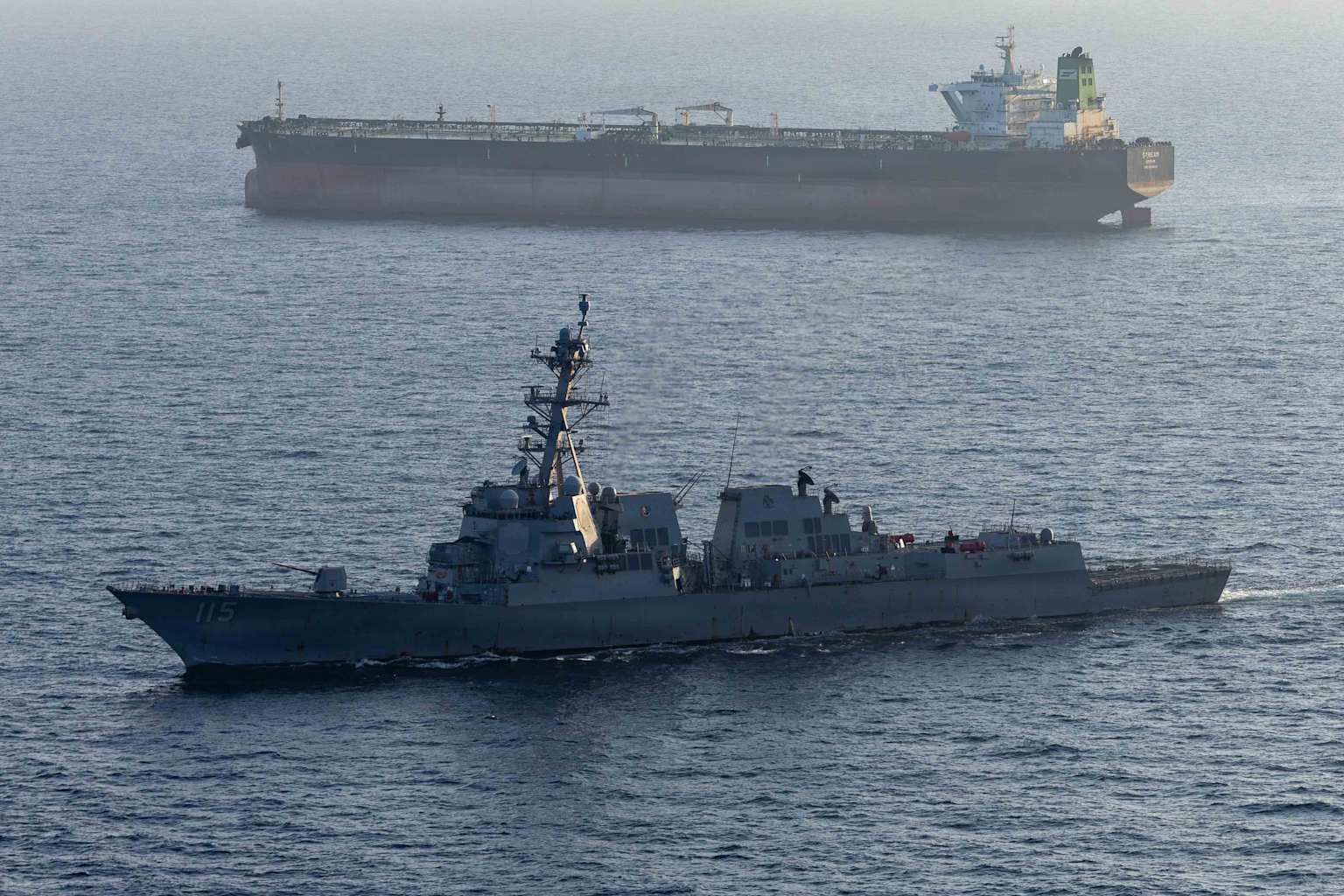
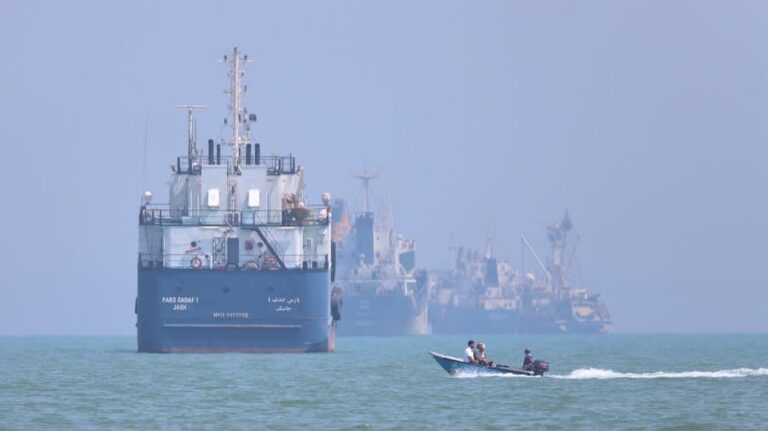
The months-long disruption to the Strait of Hormuz has sent shipping costs spiraling upward across global trade lanes, forcing carriers to impose emergency surcharges, retailers to accelerate imports, and Asian refiners to balk at freight offers even as the waterway begins to reopen following the U.S.-Iran deal signed this week.
Maersk CEO Vincent Clerc said on the company’s first-quarter earnings call in May that the energy shock from the Hormuz closure “represents approximately $500 million in extra cost per month that we must find a way to pass through.” Clerc told the BBC that costs would ultimately land “on to the consumers,” amounting to roughly $200 per standard 20-foot container — a 15% to 20% increase on some freight rates.thedeepdive
Hapag-Lloyd chief executive Rolf Habben Jansen disclosed even steeper weekly expenses, estimating 50–60 million euros — or $58 to $70 million — in additional costs every week. “Of course, we try to pass that on similar to when you go to the petrol station and you also have to pay a higher fuel price,” Habben Jansen told analysts. Sea-Intelligence Maritime Analysis estimates the conflict has generated more than $5.5 billion in extra bunker fuel costs industry-wide since late February.reuters
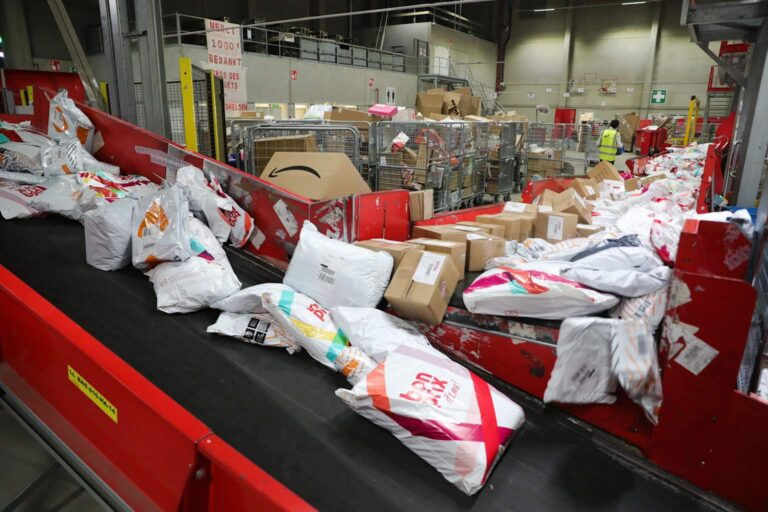
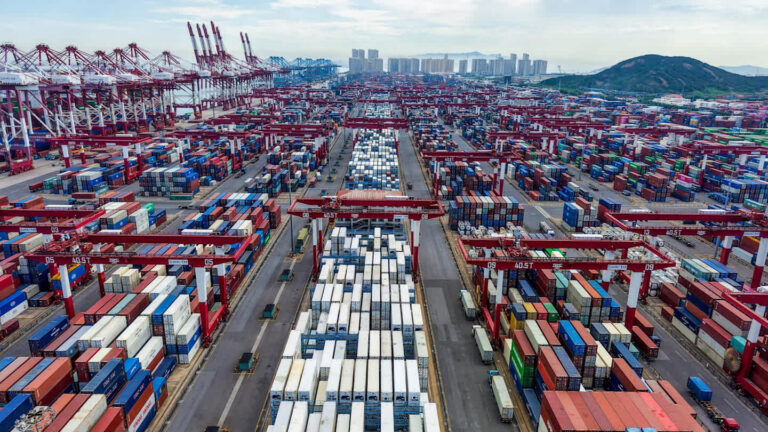
Vessel operators introduced emergency bunker surcharges in March and have since layered on peak-season surcharges effective in June and July. Ahead of those higher charges — and in anticipation of further U.S. tariff actions — retailers pulled peak-import volumes into May and June. Loaded imports at the Port of Los Angeles hit 449,370 TEUs in May, up 26% year over year and the second-highest monthly level on record.tradlinx
“We’re seeing cargo move for a combination of reasons, including inventory replenishment, concerns about fuel costs, trade-policy uncertainty and preparation for upcoming retail seasons,” Port of Los Angeles Executive Director Gene Seroka said. The National Retail Federation forecasts June imports at 2.25 million TEU, up 14.3% year over year, before volumes decline through the fall.investing
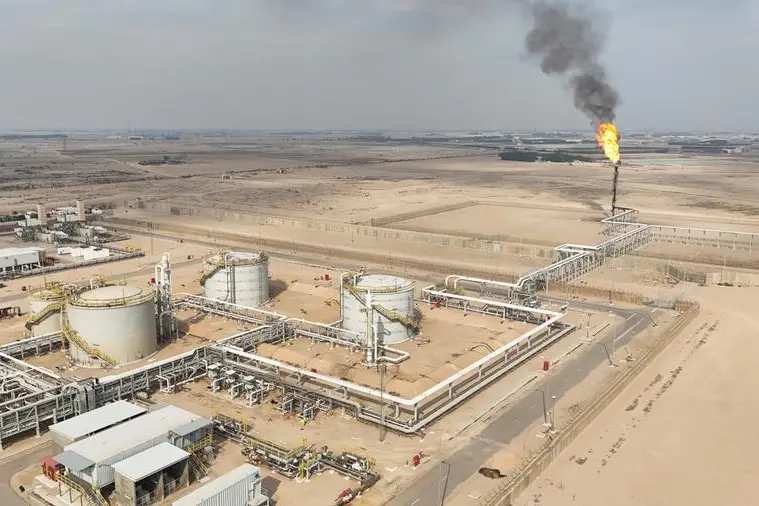
Even as the U.S. lifted its naval blockade of the strait on June 18 and traffic begins to resume, tanker rates remain punitive. Reuters reported that PetroChina received six offers to charter a supertanker for Iraqi Basrah crude loading in late June — all at rates triple pre-conflict levels. “There are tankers available, but the problem is it’s too expensive and there is no guarantee you can exit the strait,” a PetroChina executive told Reuters.oilprice
Indian Oil fared worse, receiving no offers at all for a late-June Basrah loading and ultimately declaring force majeure on the cargo. Major tanker operators say normalization could take weeks or longer, even with the deal in place. “Given the experiences in the last couple of months, I think it’s reasonable to assume that it may take at least a couple of weeks or if not a month,” said Jotaro Tamura, CEO of Mitsui OSK Lines, the world’s largest tanker operator.reuters