







Newsletter Subscribe
Enter your email address below and subscribe to our newsletter

Enter your email address below and subscribe to our newsletter
All voices matter
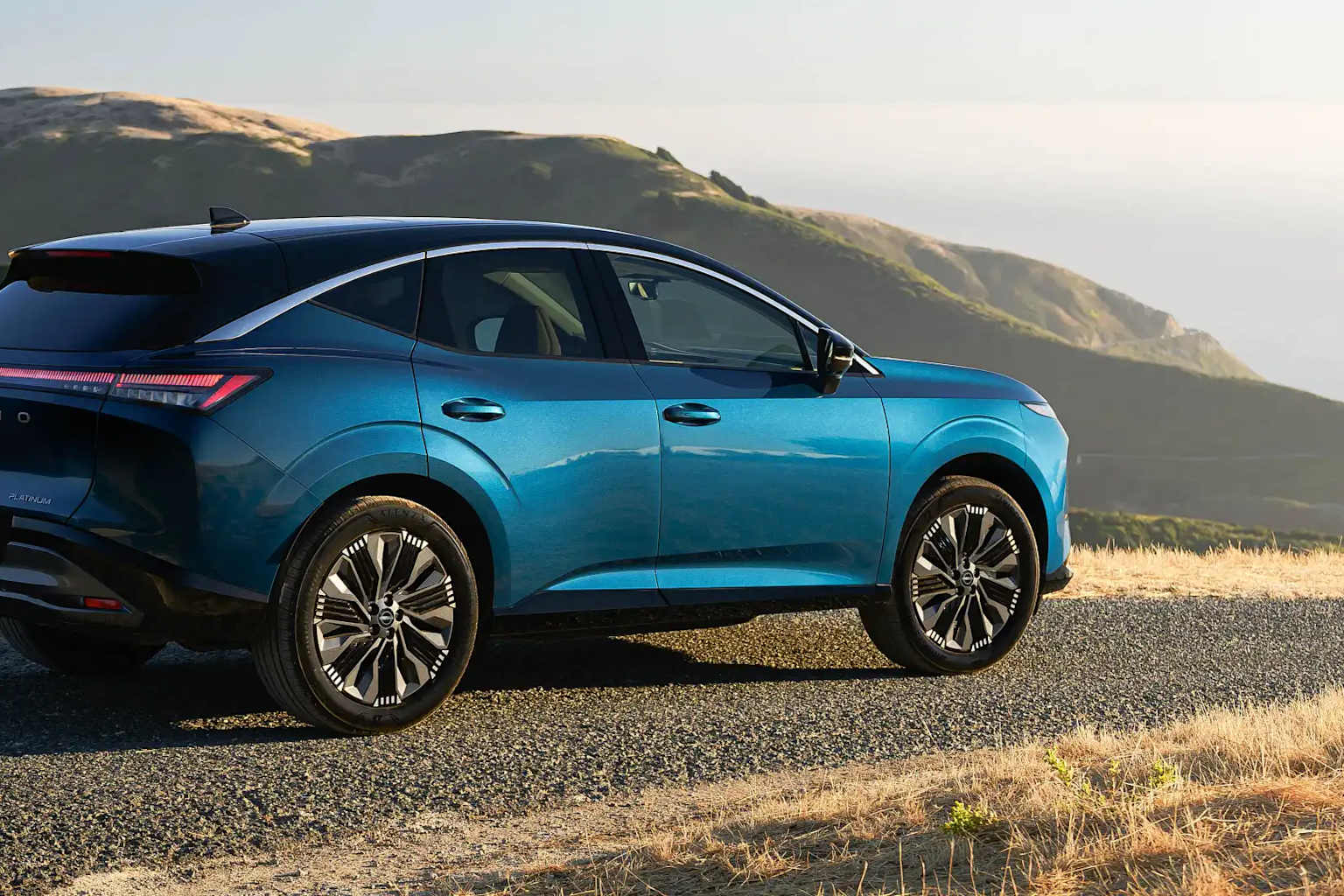
Toyota and Nissan are warning Japanese customers that vehicles built in American factories and exported to Japan may not meet the cosmetic standards typically expected in the domestic market. The disclaimers, published on the automakers’ Japanese retail pages, flag potential paint defects and panel alignment issues — an unusual acknowledgment from brands long associated with meticulous quality control.
Toyota’s documentation for the Tundra pickup, built at its San Antonio, Texas plant, states that “the paint finish of this product is designed for overseas markets,” which may result in thinner paint layers, color variations, polishing imperfections, paint blistering, and minor surface dents. The company notes these characteristics reflect an “overseas-market finish” and do not affect function or performance. The Highlander, manufactured in Princeton, Indiana, carries similar advisories.autospies
Nissan has posted an “important note” on its Japanese website for the Tennessee-built Murano SUV, alerting prospective buyers to comparable quality differences relative to domestically produced vehicles.cnbc
The disclaimers arise from a broader shift in Japan-U.S. trade relations. A new certification system, enacted by Japan’s Ministry of Land, Infrastructure, Transport and Tourism on February 16, 2026, allows vehicles manufactured in the United States to be sold in Japan without undergoing additional domestic safety testing, provided they comply with American regulations. The framework emerged from bilateral negotiations aimed at reducing the trade imbalance, following pressure from the Trump administration over Japanese automotive imports.carscoops
Toyota began selling the Tundra and Highlander through Toyota Mobility Tokyo on April 2, with a national rollout planned for summer 2026. Nissan’s Murano, produced at its Smyrna, Tennessee facility, is slated to go on sale in Japan in early 2027.kursiv
Japanese consumers are accustomed to exacting fit-and-finish standards that domestic factories enforce through rigorous inspection processes. The quality caveats suggest that American production lines, while meeting U.S. regulatory requirements, operate with different cosmetic tolerances. The situation inverts the traditional narrative in which Japanese automakers exported vehicles renowned for their build quality to the United States — now those same companies are essentially telling home-market buyers to temper their expectations for American-made products.drive