






Newsletter Subscribe
Enter your email address below and subscribe to our newsletter

Enter your email address below and subscribe to our newsletter
All voices matter
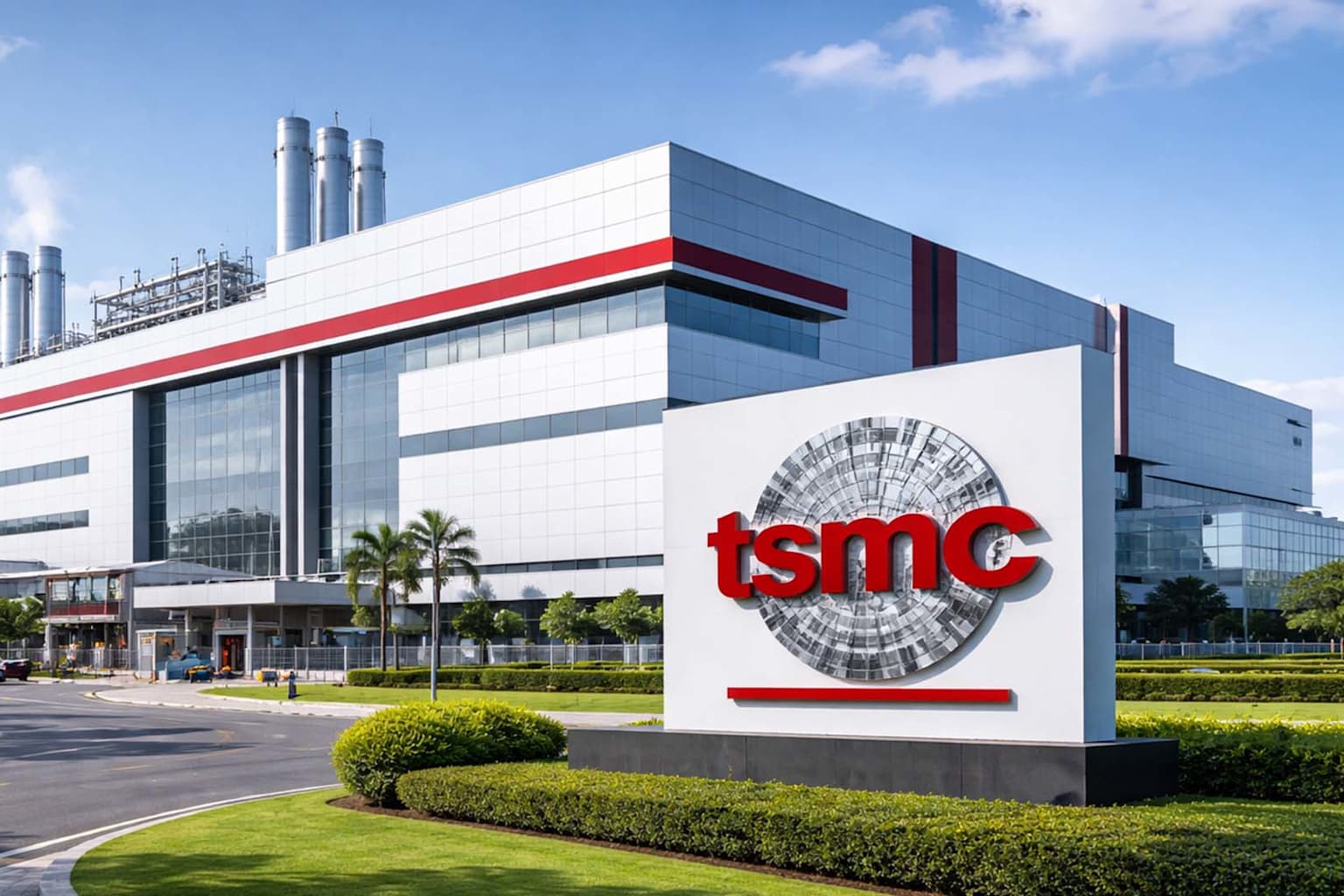
Taiwan Semiconductor Manufacturing Company has not ruled out raising chip prices as inflation drives up operating costs and demand for artificial intelligence chips continues to outstrip supply, CFO Wendell Huang said in a BBC interview published on Tuesday, June 9.rti
Huang told BBC Chinese Service that while TSMC would not “suddenly raise prices several-fold,” inflation has “indeed caused our costs to rise.” The comments came days after Chairman and CEO C.C. Wei told shareholders at the company’s annual general meeting on June 4 in Hsinchu, Taiwan, that he would “like” to raise prices, similar to actions taken by competitors.bbc
Wei warned shareholders that TSMC still cannot fully meet AI-related demand and that its chip supply will fall short of AI-fueled requirements “for years to come,” according to Bloomberg. He emphasized that the company is working to prevent itself from becoming a bottleneck in the global supply chain as American customers drive unprecedented orders for advanced chips.bloomberg
TSMC’s advanced 3nm and 5nm production lines are effectively fully booked through 2026, with the company’s 3nm monthly capacity expected to reach 200,000 wafers by year’s end. According to TrendForce, TSMC is expected to raise 3nm pricing by up to 15% in the second half of 2026, with a further 5% to 10% increase anticipated in 2027.tweaktown
Any price increases would affect major customers including Nvidia, Apple, AMD, and Qualcomm, potentially raising costs for AI infrastructure buildouts and eventually consumer electronics. TSMC had already communicated a 5% to 10% price increase for advanced nodes in 2026, initially disclosed in late August 2025 to offset tariff pressures, currency fluctuations, and the financial demands of its $165 billion U.S. expansion.linkedin
Huang told the BBC that TSMC prices its services “by technology,” suggesting more advanced and capacity-constrained nodes would see steeper adjustments. With the company’s 2nm process also sold out at its two local plants for 2026 production, the pricing pressure appears unlikely to ease soon.bbc