







Newsletter Subscribe
Enter your email address below and subscribe to our newsletter

Enter your email address below and subscribe to our newsletter
All voices matter
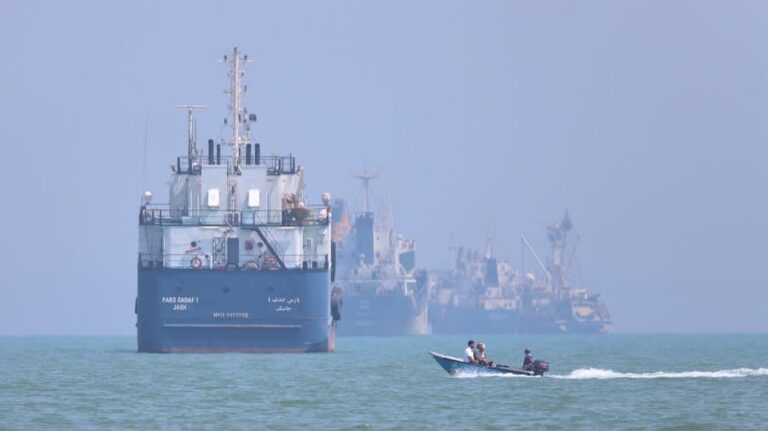
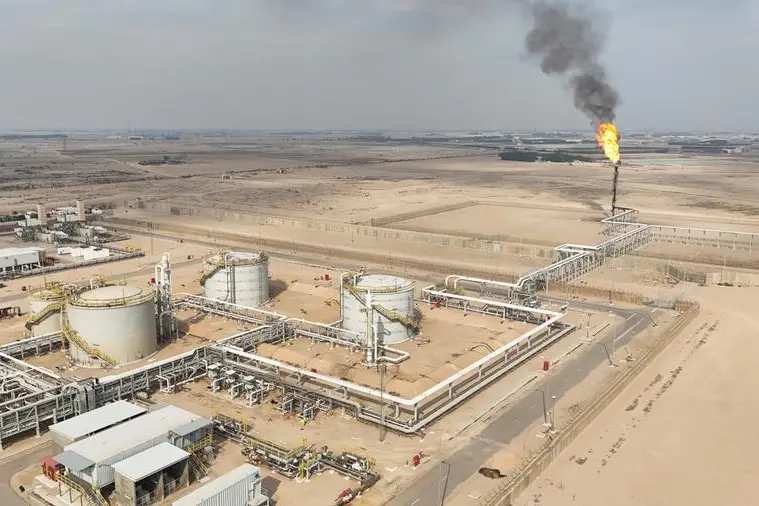
Oil production from OPEC fell to its lowest level in more than two decades in May, as the ongoing U.S.-Iran conflict and an American naval blockade throttled exports from the Persian Gulf, according to a Reuters survey published on June 10.
Output from the 11-member Organization of the Petroleum Exporting Countries dropped by 1.06 million barrels per day from April to 16.13 million bpd, a level well below even the pandemic lows of 2020 when demand collapsed. Iran saw the steepest decline, with the U.S. blockade effectively cutting off the country’s seaborne exports since it was imposed in April.reuters
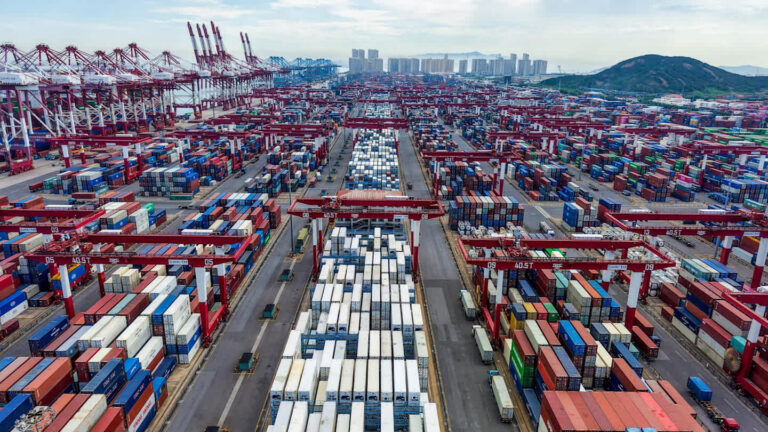
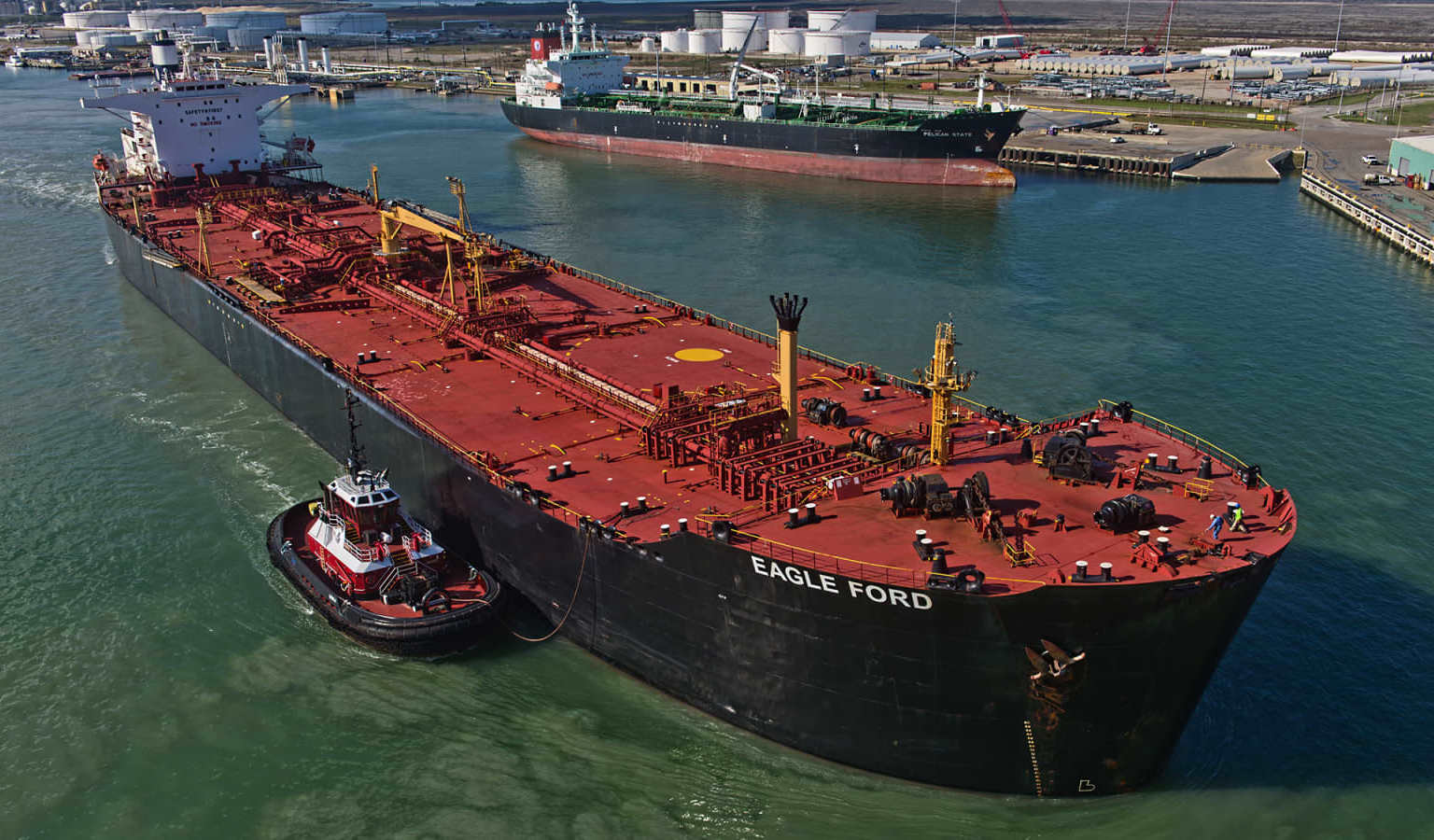
The supply crisis has redrawn the map of global oil trade. Reuters reported on June 11 that the United States has become the world’s largest oil exporter, overtaking Saudi Arabia and Russia for the third consecutive month. U.S. exports of crude and fuel climbed to roughly 10.5 million barrels per day in May, according to ship-tracking firm Vortexa, powered by record crude exports of 5.6 million bpd and releases from the Strategic Petroleum Reserve.reuters
“The transition from being an embargo victim in 1973 to a leading exporter by 2026 signifies one of the most crucial shifts in the history of global energy,” Invezz noted, citing technological advances in shale production and the geopolitical disruption of rival exporters.invezz
Brent crude has traded near or above $95 a barrel in recent weeks, though prices have eased slightly on expectations of a potential U.S.-Iran ceasefire deal. HSBC raised its 2026 average Brent forecast to $95 per barrel, citing a longer-than-expected effective closure of the Strait of Hormuz.fortune
Currency markets have also felt the strain. The Indian rupee fell 15 paise to 95.56 against the U.S. dollar on June 10 as fresh escalation in the Middle East pushed crude higher. India, which imports more than 80% of its oil, remains particularly vulnerable to sustained supply disruptions.hdfcsky
Despite OPEC+ approving a fourth consecutive monthly output quota increase on June 8, the decision was largely symbolic — key members including Saudi Arabia remain physically unable to ship oil through the Strait of Hormuz. The group’s next scheduled increase of 188,000 bpd from July will do little to offset the 1.06 million bpd decline already recorded.reuters
Analysts at Goldman Sachs have argued the U.S. economy will remain “relatively insulated” from the shock given its status as a net exporter, but warned that poorer, import-dependent economies face mounting pressure as the conflict drags on.investopedia