




Newsletter Subscribe
Enter your email address below and subscribe to our newsletter

Enter your email address below and subscribe to our newsletter
All voices matter
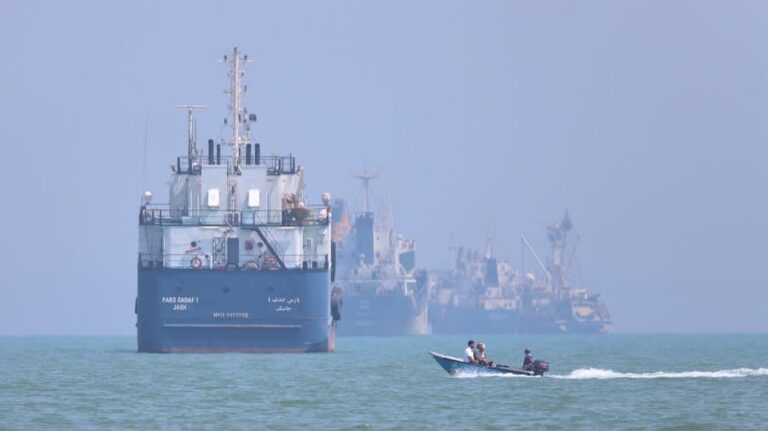
The war between the United States, Israel, and Iran continues to cast a long shadow over the global automotive industry, with BASF CEO Markus Kamieth warning that the conflict is darkening the outlook for the auto sector and broader economy. Shortages of materials including sulfur and helium — byproducts of oil and gas production disrupted by the closure of the Strait of Hormuz — threaten to halt tightly run supply chains such as car production.nytimes
The disruptions extend far beyond surging oil prices. Qatar, which accounts for roughly one-third of global helium output, has seen production hobbled by Iranian attacks on gas facilities and the blockage of shipping through the Strait of Hormuz. Helium is essential for semiconductor manufacturing, and chipmakers have only about six months’ worth in the pipeline, raising the specter of another chip shortage rippling through vehicle production.acs
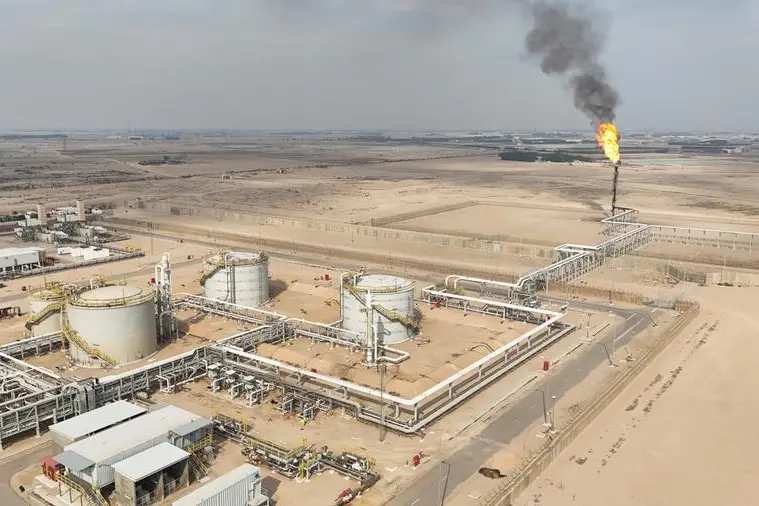
Sulfur, produced during oil and gas refining, has also been severely constrained, with most of Africa’s supply passing through the now-disrupted strait. BASF in March announced price increases of up to 30% on many products as the conflict’s shockwaves compounded cost pressures on European industry.thesoufancenter
Brent crude briefly touched $138 per barrel in early April — its highest level since the crisis began in late February — before retreating to around $90-$96 in recent weeks as ceasefire talks between Washington and Tehran progressed. Analysts warn that any breakdown in negotiations could send prices surging again and reignite global inflation.facebook
S&P Global now projects that the conflict will reduce global light-vehicle sales by 800,000 to 900,000 units in 2026. BMW Group India on Sunday announced a price increase of up to 2% across its BMW and MINI range effective July 1, its third hike of the year, citing “rupee depreciation and escalating logistics costs.”bmwgroup
The announcement follows similar moves by Hyundai, Tata Motors, and Mahindra, all of which raised prices earlier in the year as the Iran conflict pushed up freight and energy costs across the subcontinent. India itself hiked fuel prices by 3% in May as the energy crisis began to bite.youtube
With U.S.-Iran ceasefire negotiations still unresolved and the Strait of Hormuz only partially reopened, the automotive sector remains exposed. The conflict has drawn uncomfortable parallels to pandemic-era disruptions — wire harness shortages from the Ukraine war, successive chip crises — underscoring what CNBC described as a “troubling trend of recurrent global shortages for which the industry lacks a strategic response.”cnbc