



Newsletter Subscribe
Enter your email address below and subscribe to our newsletter

Enter your email address below and subscribe to our newsletter
All voices matter
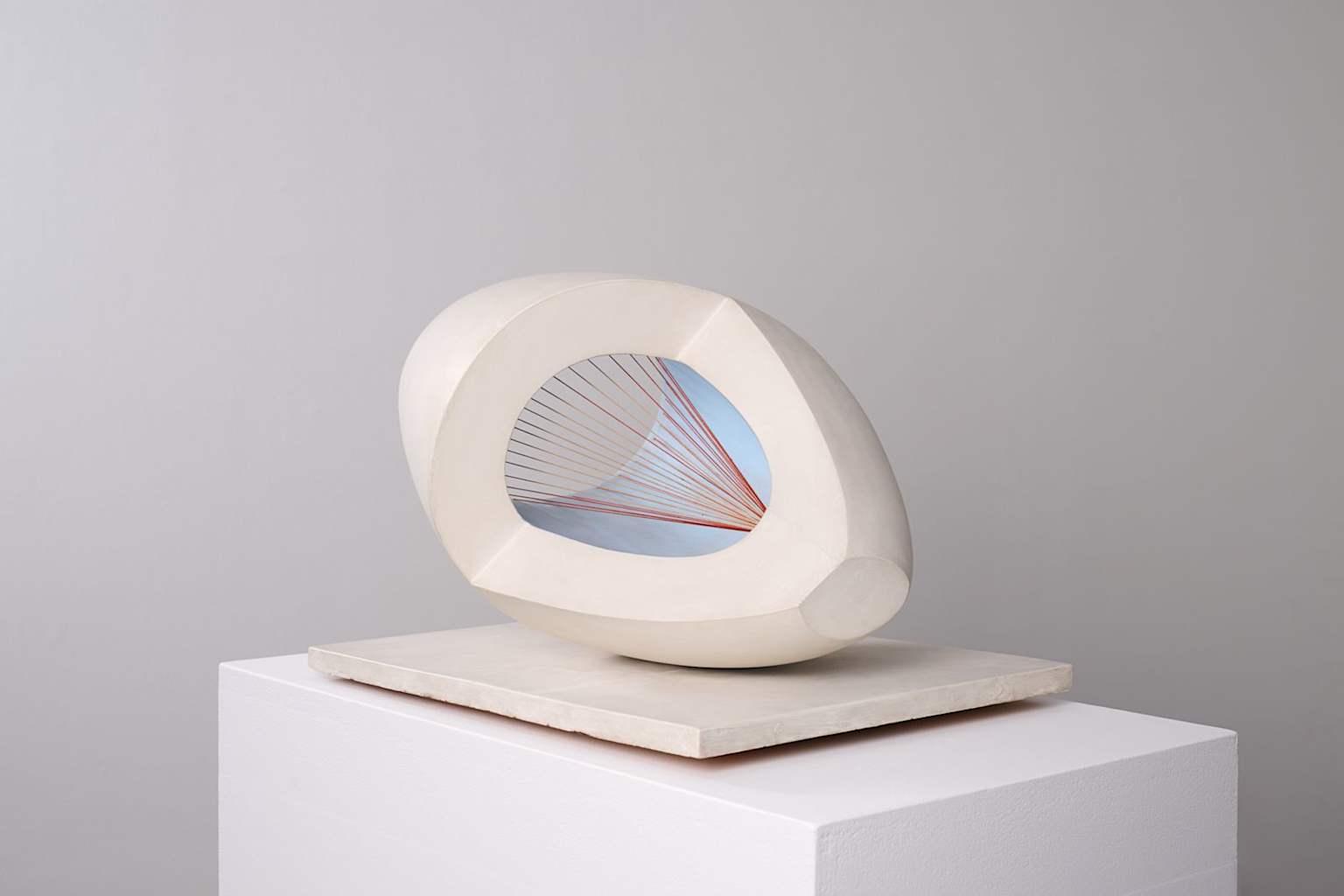
A rare Barbara Hepworth sculpture will remain in the UK after The Hepworth Wakefield successfully raised £3.8 million to prevent its export, following a remarkable public fundraising campaign that generated over 2,800 individual donations alongside support from major cultural foundations.
The 1943 work, Sculpture with Colour (Oval Form) Pale Blue and Red, had been sold to an overseas buyer at Christie’s auction house in March 2024 for £3.8 million. The UK government subsequently placed a temporary export bar on the piece, recognizing it as too culturally important to lose and giving British institutions until August 27, 2025 to match the purchase price.pa
The campaign, led jointly by The Hepworth Wakefield gallery and the national charity Art Fund, received substantial institutional backing alongside grassroots support. The National Lottery Heritage Fund provided £1.89 million, while Art Fund contributed an “exceptional grant” of £750,000. Additional support came from prominent foundations including the Henry Moore Foundation, the Julia Rausing Trust, and the Garfield Weston Foundation.pa
“Barbara Hepworth often talked about her need to be part of a community and its proactive development,” said Olivia Colling, interim director and CEO at The Hepworth Wakefield. “We think she would have been delighted that so many people have come together to enable her work to be part of a public art collection which can be experienced and enjoyed by so many”.hepworthwakefield
The campaign attracted endorsements from contemporary artists including Anish Kapoor, Rachel Whiteread, Antony Gormley, and Richard Deacon, who recalled first seeing the work at a Tate retrospective in 1968 when he was still at school.theartnewspaper
The sculpture represents one of only a handful of wooden carvings Hepworth created during the 1940s and marks her first major use of colored strings in sculpture. Created during World War II after Hepworth relocated with her family from London to St. Ives, Cornwall, the work emerged from extraordinary circumstances. The plaster prototype was the only piece of art she brought with her to Cornwall, and she later executed it in wood using a special wartime permit that allowed access to quality materials despite rationing.pa
“The piece is one of the earliest and best examples of the wooden, string-carved sculptures that she became really well known for,” Eleanor Clayton, head of collection and exhibitions at the Hepworth Wakefield, previously told The Guardian.artnet
The acquisition will enable the sculpture to go on permanent public display for the first time since its creation 82 years ago. Previously held in private ownership since collector Helen Sutherland acquired it directly from Hepworth in 1944, the work has rarely been seen publicly. The Hepworth Wakefield plans to celebrate its arrival with a dedicated exhibition exploring the sculpture’s history and significance within Hepworth’s broader body of work.pa