






Newsletter Subscribe
Enter your email address below and subscribe to our newsletter

Enter your email address below and subscribe to our newsletter
All voices matter
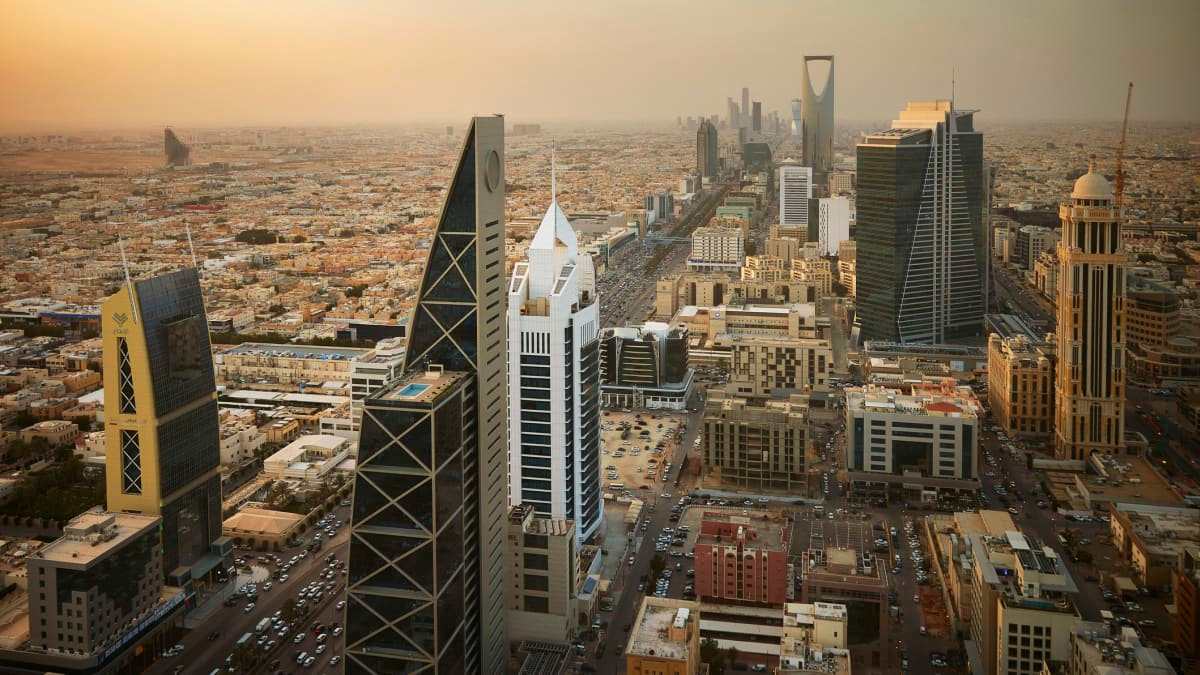
The announcement of a US-Iran peace framework on Sunday sent oil prices plunging, compounding fiscal pressures on Saudi Arabia at a time when the kingdom’s spending ambitions are already outpacing its revenues.
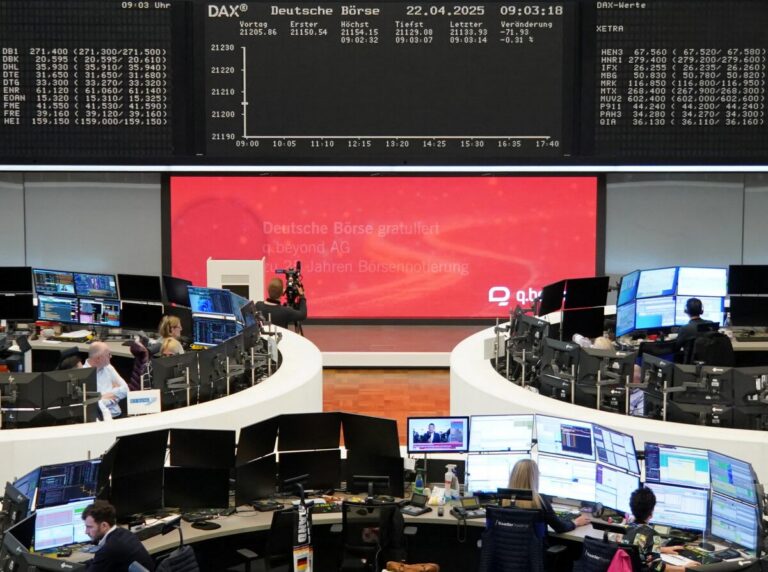
Brent crude fell more than 5% to below $83 a barrel on Monday after President Donald Trump declared the deal “complete” on the sidelines of the G7 summit in Evian-les-Bains, France. The decline extended losses from a May peak above $126, as markets priced in the eventual reopening of the Strait of Hormuz and the easing of a supply crunch that had rattled global energy markets for months.bloomberg
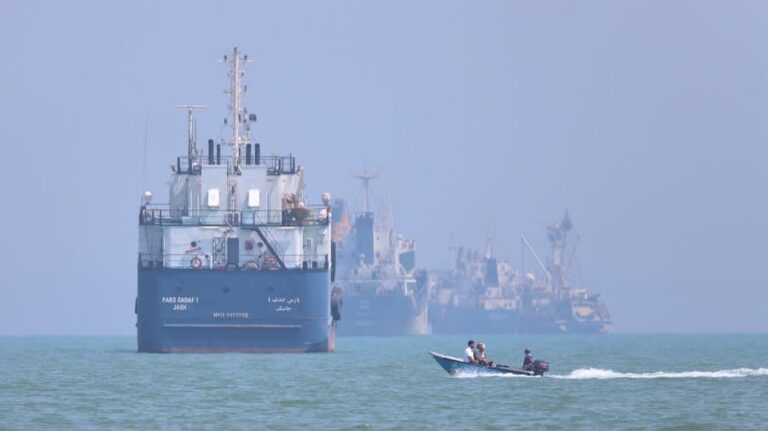
The framework agreement, mediated by Pakistan and set to be formally signed on June 19 in Geneva, includes provisions for extending the US-Iran ceasefire by 60 days, reopening the Strait of Hormuz, and beginning negotiations over Iran’s nuclear program. Iran’s Foreign Minister Abbas Araghchi said Tehran wants to charge ships “for services rendered” when transiting the strait, a mechanism that would affect Saudi oil tanker costs.npr
Saudi Arabia holds no formal role in any of the mediation tracks. The deal was brokered primarily between Washington, Tehran, and Islamabad, with Vice President JD Vance set to attend the signing ceremony alongside Iran’s parliamentary speaker. Regional Gulf states, including Saudi Arabia, are mentioned only as potential contributors to a proposed $300 billion reconstruction fund for Iran.reuters
The oil price decline arrives at a difficult moment for Saudi finances. The kingdom recorded a record budget deficit of SAR 125.7 billion ($33.5 billion) in the first quarter of 2026, as spending surged 20% year-on-year while oil revenues declined. The entire shortfall was financed through borrowing, pushing total public debt to SAR 1.667 trillion.gulfnews
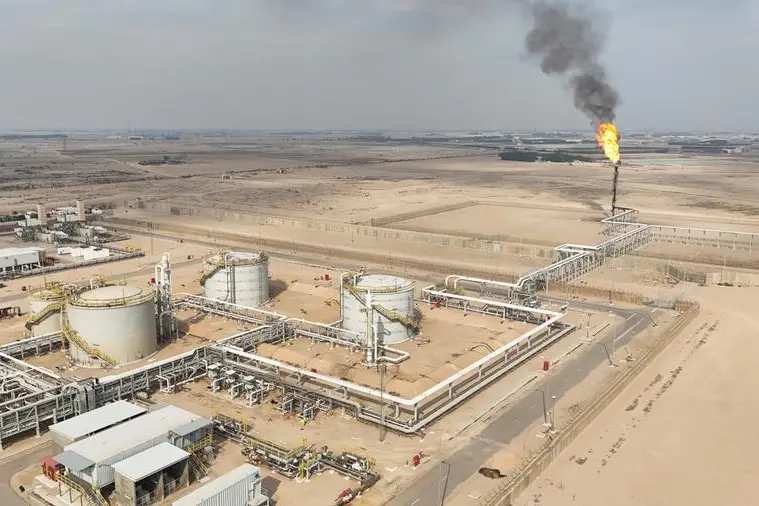
Saudi Aramco, the kingdom’s cash engine, reported Q1 free cash flow of $18.6 billion — well below the $21.9 billion base dividend it declared for the same quarter. The Public Investment Fund, the sovereign wealth vehicle at the center of Crown Prince Mohammed bin Salman’s economic transformation plans, saw its cash reserves fall to around $15 billion, a six-year low, as it redirected capital toward World Cup 2034 preparations and other priority projects.reuters
The International Monetary Fund has estimated Saudi Arabia needs oil above $90 per barrel to balance its budget. With Brent now trading well below that threshold and likely to decline further as Hormuz shipping normalizes, the kingdom faces difficult choices between sustaining its ambitious spending plans and maintaining fiscal discipline. The 2026 budget already projected a deficit of 3.3% of GDP, and the first quarter’s performance suggests the full-year gap could widen considerably if prices remain depressed.amazonaws