





Newsletter Subscribe
Enter your email address below and subscribe to our newsletter

Enter your email address below and subscribe to our newsletter
All voices matter
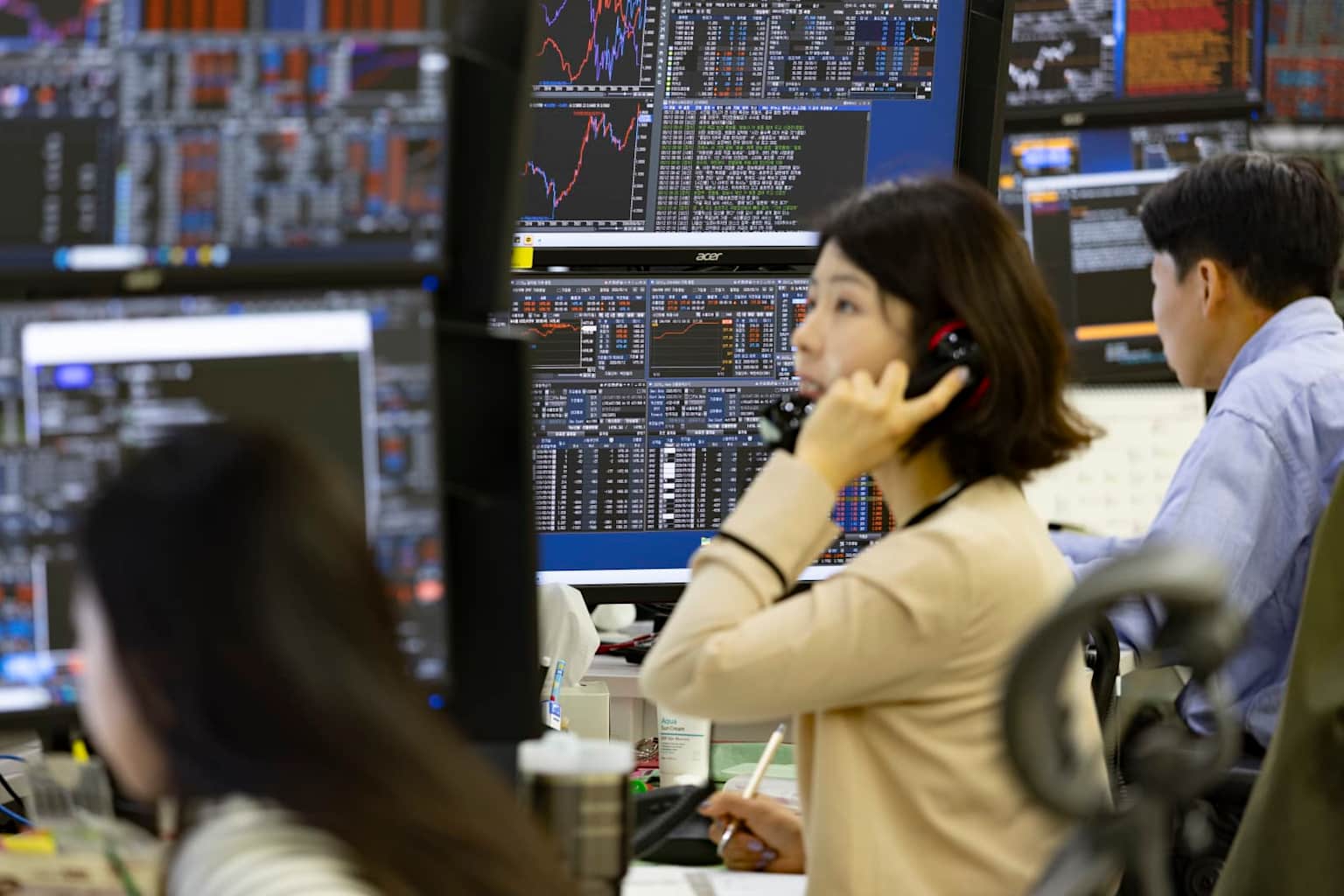
Major Wall Street banks are restricting hedge funds’ leveraged bets on Asia’s top chipmakers after a blistering rally that has seen the Kospi double this year, a move that already contributed to a sharp pullback in South Korean equities this week.
Citigroup, JPMorgan, and Goldman Sachs have raised the cost of swap financing on SK Hynix and Samsung Electronics shares to between 300 basis points and as much as 11 percentage points above the secured overnight financing rate, according to people familiar with the matter cited by Bloomberg’s Business Times report. With SOFR at roughly 3.6%, the upper end of those quotes translates into financing costs near 15% — up sharply from the 100 to 200 basis points above SOFR that banks were quoting in early May.businesstimes
Morgan Stanley has gone further, turning away clients seeking new swap trades in the two Korean stocks, while some second-tier banks have stopped accepting additional orders entirely over the past two weeks. Bank of America, BNP Paribas, and UBS are also lifting financing costs and restricting trade sizes. Banks that remain willing to accept new orders are assessing requests on a case-by-case basis and screening counterparties more strictly.gurufocus
Similar steps have been taken for Taiwan Semiconductor Manufacturing.businesstimes
The restrictions come after an extraordinary run in memory-chip stocks driven by insatiable demand for AI-related high-bandwidth memory. As of late May, Samsung shares had risen roughly 149% year-to-date and SK Hynix approximately 186%, according to Reuters, propelling SK Hynix into the trillion-dollar market-capitalization club. The Kospi itself surged about 100% through late May before a brutal sell-off on June 8 wiped more than 8% from the index in a single session after strong U.S. jobs data raised expectations of a Federal Reserve rate increase.reuters
A JPMorgan report published in early June noted that international investors holding these three chipmakers were bumping up against internal allocation limits on individual stocks and sector concentrations. Goldman Sachs’s prime-services desk separately flagged in late May that hedge funds were taking profits on semiconductor positions even as tech stocks climbed to fresh highs, but cumulative exposure to the sector remained elevated.marketwatch
Market participants stressed that the bank-imposed restrictions represent preventive risk management rather than a negative view on semiconductor fundamentals. The moves echo lessons from past episodes of concentrated leveraged positioning, including the 2021 Archegos Capital collapse, which highlighted the dangers of heavy swap exposure at prime brokers.tradingkey
The tightening nonetheless injected fresh volatility into Thursday’s session: intraday gains in Korean chip stocks narrowed sharply after news of the restrictions circulated, with the Kospi’s advance trimmed from more than 8% to 4.6%.tradingkey