






Newsletter Subscribe
Enter your email address below and subscribe to our newsletter

Enter your email address below and subscribe to our newsletter
All voices matter
The World Bank on Thursday slashed its global growth forecast for 2026 to 2.5%, down from 2.9% in 2025, warning that the war in the Middle East is dragging the world economy to its slowest expansion since the Covid-19 pandemic as surging energy costs fuel a new wave of inflation.theguardian
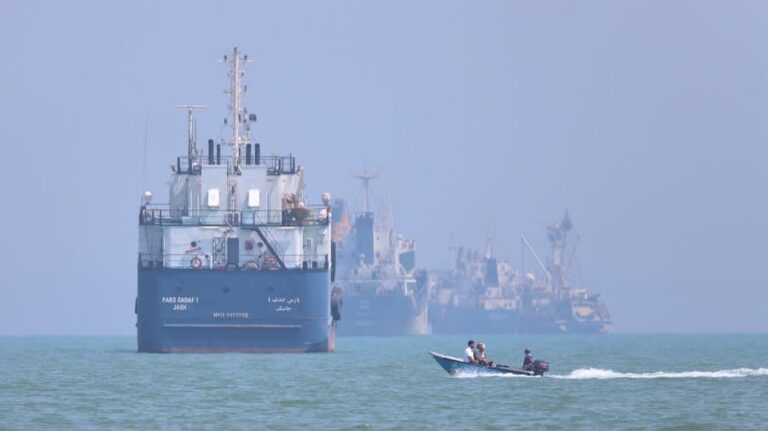
In its semiannual Global Economic Prospects report, the Washington-based institution downgraded growth projections for roughly two-thirds of countries worldwide. Global inflation is now expected to reach 4% this year, up from 3.3% in 2025, driven by elevated oil prices and disruptions to shipments through the Strait of Hormuz. Average fertilizer prices are projected to surge nearly 38% due to supply chain interruptions and shortages of raw materials sourced from the Gulf region.nytimes
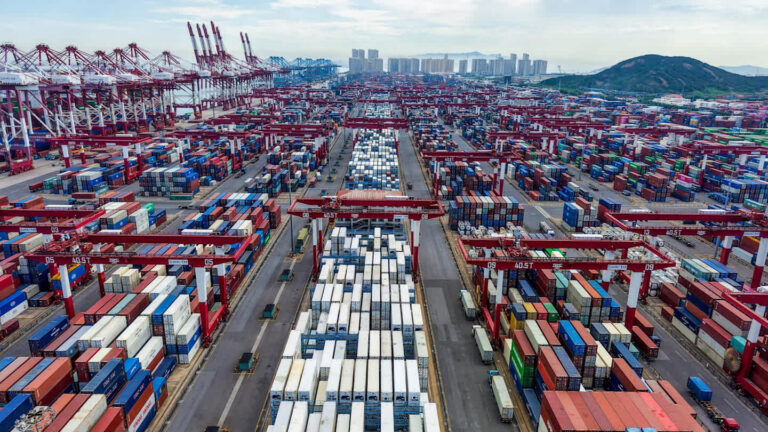
Developing economies face some of the steepest cuts, with growth forecast at a post-pandemic low of 3.6%, down from 4.4% in 2025. China is projected to grow 4.2%, a decline from 5% expected in 2025, while India remains the fastest-growing major economy at 6.6%, though that represents a drop from 7.7% forecast for 2025. The eurozone is expected to grow just 0.8%, down from 1.4% in 2025.theglobeandmail
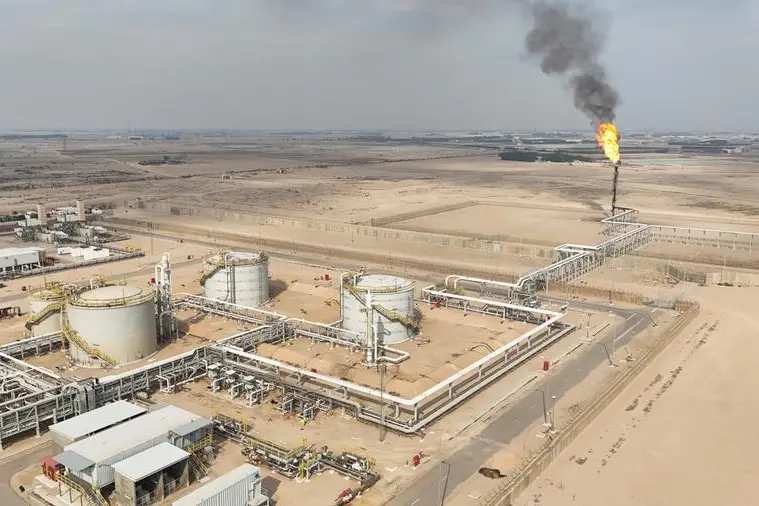
Gulf economies directly affected by the conflict face the sharpest reversal, with growth forecast to collapse from 4.5% last year to roughly 1.3% in 2026, though a recovery is expected in subsequent years as trade resumes and reconstruction begins.theguardian
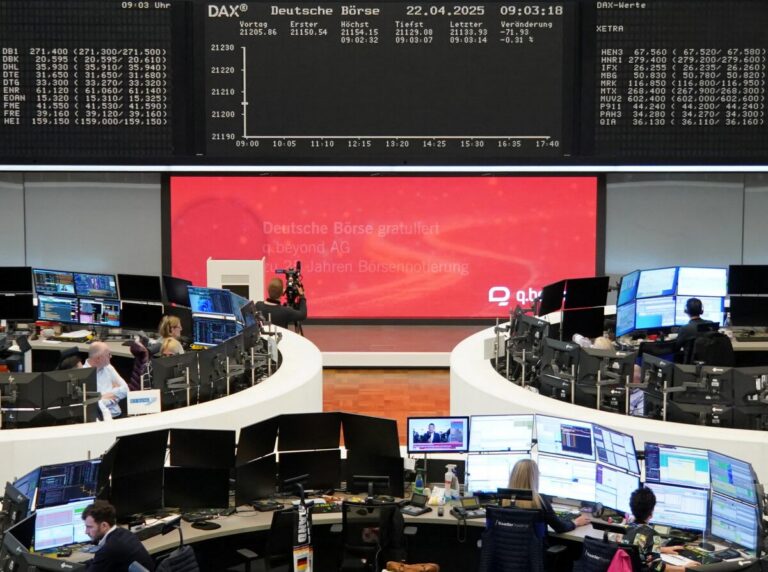
The World Bank cautioned that the outlook could deteriorate further. In a worst-case scenario involving more severe energy supply disruptions coupled with financial market stress, global growth could fall to just 1.3%, with inflation rising to 4.4%. “A renewed escalation of hostilities or prolonged disruptions to commodity flows could escalate commodity prices, heighten inflationary pressures and food insecurity, and induce financial strain,” the report stated.reuters
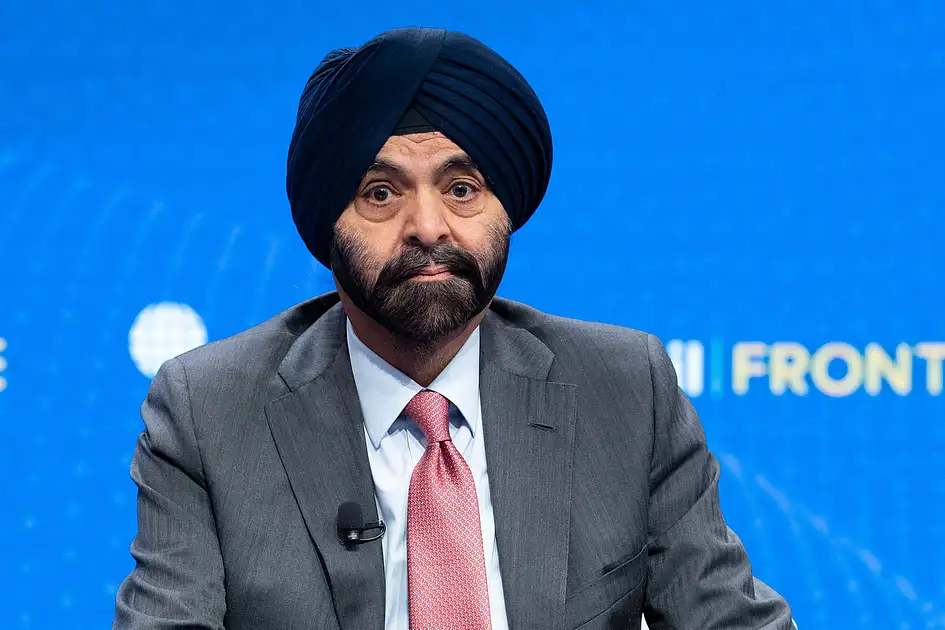
World Bank President Ajay Banga said the institution is making up to $60 billion immediately available to developing countries hardest hit by the crisis, with that figure potentially rising to $100 billion over 15 months. “We are providing liquidity where it is needed now — and we are ready with additional financing, guarantees, and private-sector solutions if pressures deepen,” Banga said, according to Reuters.reuters