Newsletter Subscribe
Enter your email address below and subscribe to our newsletter

Enter your email address below and subscribe to our newsletter
All voices matter
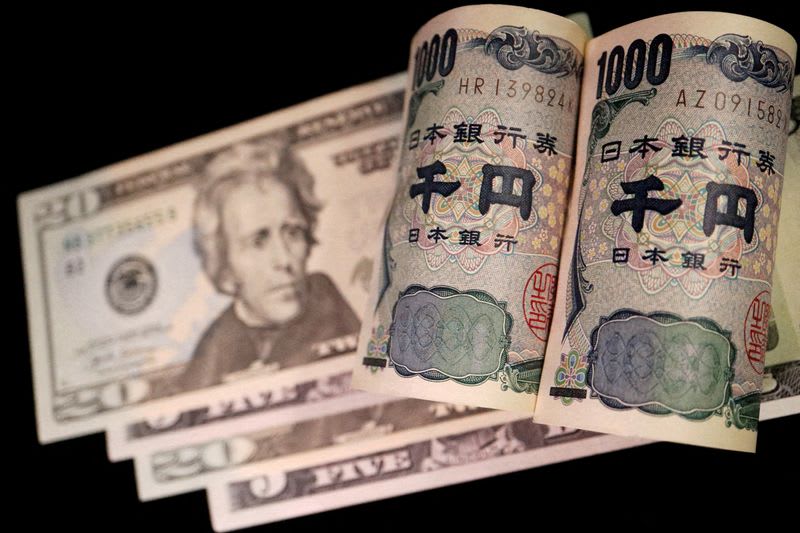
The Japanese yen traded near its weakest level in nearly four decades on Friday, June 19, putting markets on heightened intervention watch as the Bank of Japan’s rate hike earlier in the week proved insufficient to arrest the currency’s slide.
The yen changed hands around 161.25 per dollar in early Tokyo trading on Friday after touching 161.81 overnight, its weakest since July 2024. A break above the 2024 high of 161.96 would send the currency to levels not seen since December 1986.channelnewsasia
The BOJ raised its policy rate to 1% on June 16 — a 25-basis-point increase and the highest borrowing cost since 1995 — in a 7-1 vote. Yet the move did little to shift the fundamental dynamics weighing on the yen. Japanese rates remain far below U.S. levels, keeping the yield gap wide and fueling carry trades in which investors borrow cheaply in yen to chase higher returns elsewhere.reuters
Speculative net short positions in the yen sat at their highest level since July 2024, data showed on Friday, underscoring the market’s persistent bearishness.channelnewsasia
Finance Minister Satsuki Katayama has repeatedly warned against speculative currency moves and signaled readiness to act. In May, she told reporters after the Asian Development Bank’s annual meeting that Japan “will implement decisive actions against speculative movements, in line with the agreement made between Japan and the United States”. Earlier, in late April through May, Japanese authorities spent a record 11.73 trillion yen supporting the currency.japantimes
Bloomberg reported Wednesday that traders now view the 40-year low as “the next intervention battleground”. With the U.S. Juneteenth holiday thinning dollar liquidity on Friday, analysts noted that conditions resembled the late-April window Japan exploited for its previous intervention campaign.channelnewsasia
The yen’s weakness reflects a hawkish tilt by the U.S. Federal Reserve, which has added to bets that American rates will rise further this year. Even with markets expecting another BOJ hike before year-end, the interest rate differential between the two countries remains the dominant force in the currency pair. Economists surveyed by Reuters anticipate the BOJ could raise rates to 1.25% in the quarter following the June increase, but traders appear unconvinced that such incremental moves will close the gap quickly enough to reverse the yen’s trajectory.reuters