







Newsletter Subscribe
Enter your email address below and subscribe to our newsletter

Enter your email address below and subscribe to our newsletter
All voices matter

Brent crude was on track Friday for its steepest weekly decline in months, falling roughly 9% as an interim peace agreement between the United States and Iran opened the door for Gulf oil to flow freely through the Strait of Hormuz for the first time since the war began in February.
The international oil benchmark hovered near $79 per barrel on Friday, down from above $87 at the start of the week, as markets digested the sweeping implications of the 14-point memorandum of understanding signed Wednesday by President Donald Trump and Iranian President Masoud Pezeshkian.hdfcsky
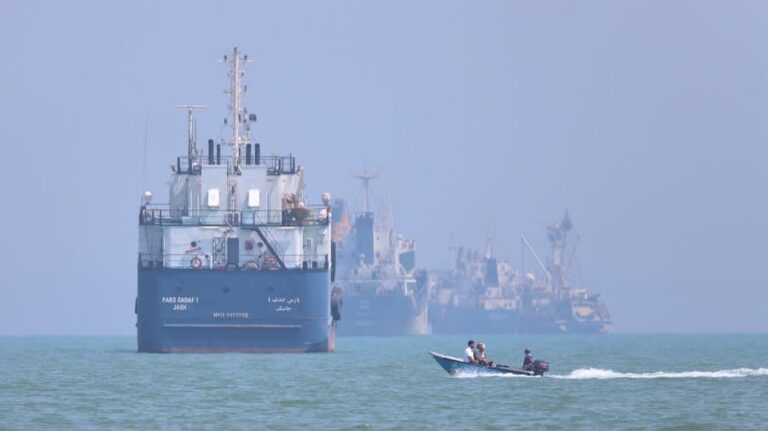
The first concrete sign that oil flows were resuming came Thursday, when three Saudi-flagged supertankers carrying a combined 6 million barrels of crude transited the Strait of Hormuz, according to Reuters ship-tracking data. The vessels, operated by Saudi shipping company Bahri, were the largest by cargo volume to pass through the strategic waterway in weeks.reuters
Maritime data firm Kpler indicated that eight commodities ships had transited the strait on Thursday, roughly equal to the average daily volume of the prior week — far below prewar levels, but a start. Shipping groups cautioned that safety concerns linger. “Significant safety and security risks still persist,” said Jakob Larsen, chief security officer at shipping lobby BIMCO.al-monitor
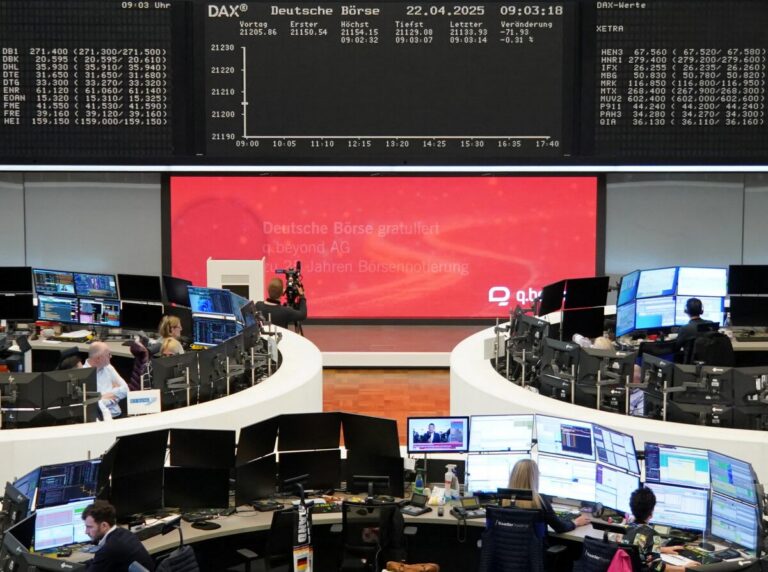
Citigroup moved quickly after the deal was announced, cutting its average Brent forecast to $75 and $70 per barrel for the third and fourth quarters of 2026, respectively, down from higher pre-deal levels. The bank also slashed its 2027 projection to $65 per barrel from $80, warning that its former bear case had become its base case.reuters
Goldman Sachs lowered its fourth-quarter Brent forecast to $80 from $90 and cut its 2027 average estimate to $75. Commerzbank, which in late May had forecast Brent at $85 by year-end, now faces pressure to revise further as prices have already undercut that level.spragueenergy
Despite the diplomatic breakthrough, analysts warned that a full normalization of shipping flows could take weeks or months. The agreement stipulates that Iran will reopen the strait within 30 days and the U.S. will simultaneously lift its naval blockade of Iranian ports within the same timeframe.wsls
Uncertainties also mounted Friday after Vice President JD Vance canceled a planned trip to Switzerland for implementation talks, and Israel conducted fresh strikes in Lebanon — both reminders that the accord remains fragile. U.S. markets were closed for the Juneteenth holiday, muting trading volumes.reuters
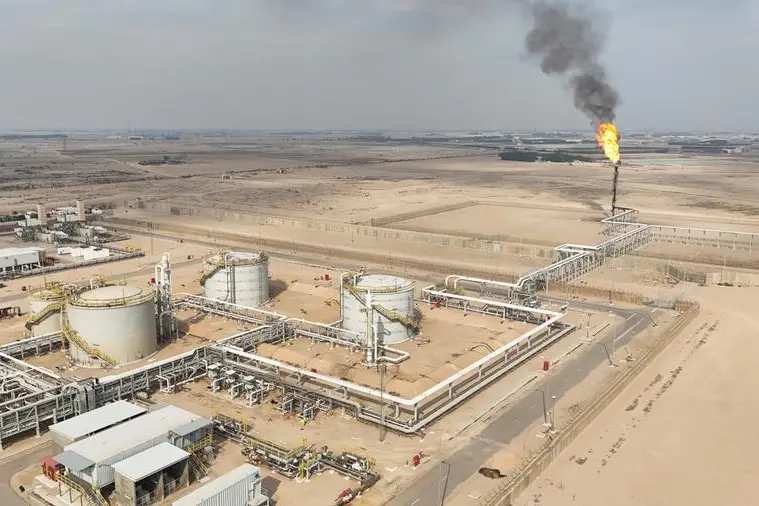
The deal allows Iran to sell oil freely under U.S. sanctions waivers, effectively restoring barrels that had been off the market for months. But producers must restart idled fields, rebuild shipping confidence, and navigate potential Iranian mine clearance before prewar traffic levels return — a process the agreement envisions completing in 30 days but that market participants expect will take considerably longer.cnbc