







Newsletter Subscribe
Enter your email address below and subscribe to our newsletter

Enter your email address below and subscribe to our newsletter
All voices matter
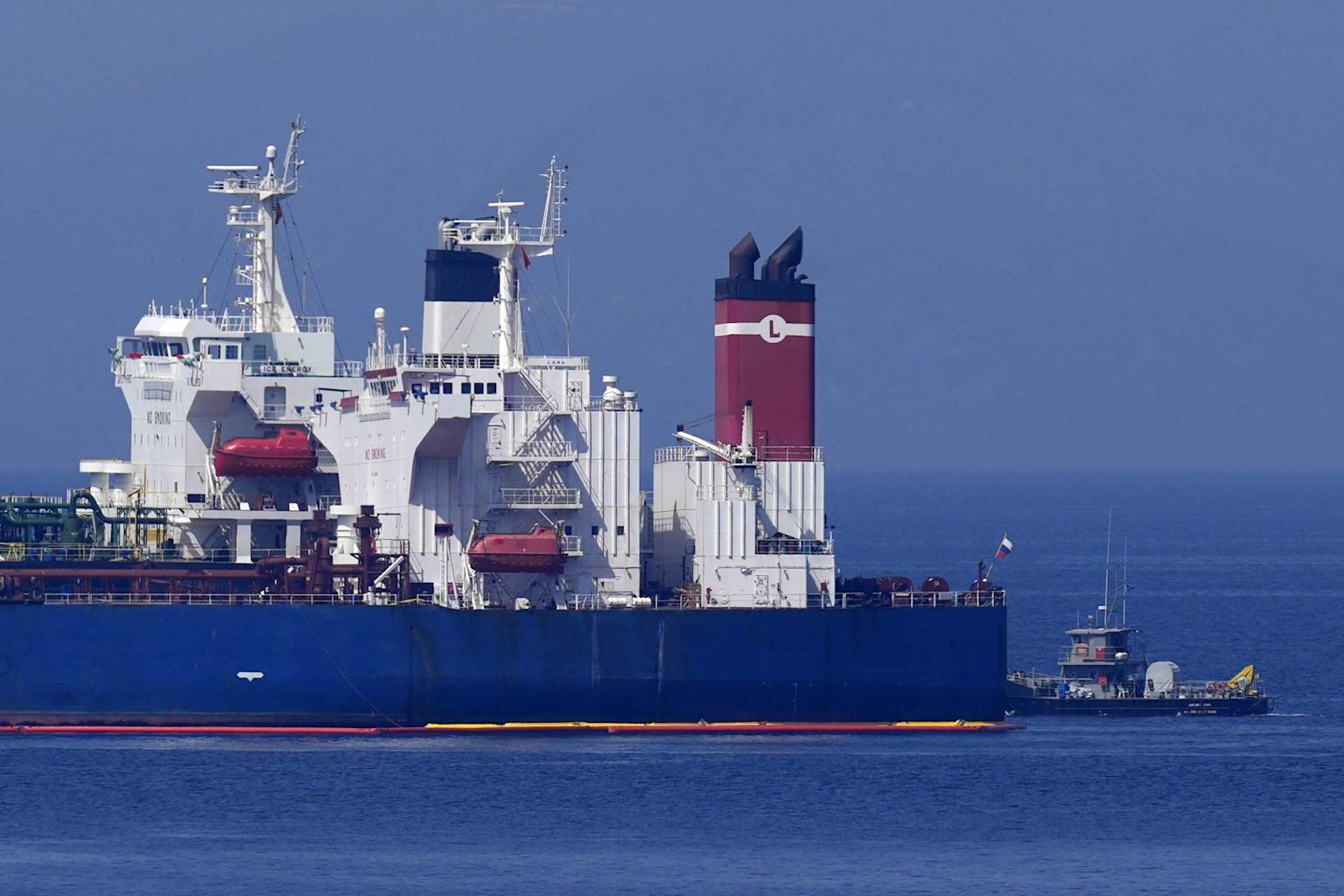
Oil prices swung sharply this week as the more than three-month-old US-Iran war continued to disrupt flows through the Strait of Hormuz, even as US officials signaled cautious optimism about a gradual reopening of the critical waterway.
Brent crude fell to around $91.45 per barrel on Tuesday after US Energy Secretary Chris Wright said ship traffic through the Strait of Hormuz is “rising very meaningfully,” a remark that knocked prices down roughly 3 percent to a seven-week low. West Texas Intermediate settled at $88.20 on the same session. By Wednesday, however, both benchmarks had bounced back, with Brent trading near $95 and WTI around $92 as traders weighed whether the easing would prove durable.yahoo
The volatility comes against a backdrop of tightening US supplies. The Energy Information Administration reported that US crude inventories fell by 7.2 million barrels in the week ending June 5, the seventh consecutive weekly decline. The EIA also warned that oil stockpiles across OECD nations are headed toward their lowest levels since at least 2003 and are unlikely to normalize before early 2027.tradingeconomics
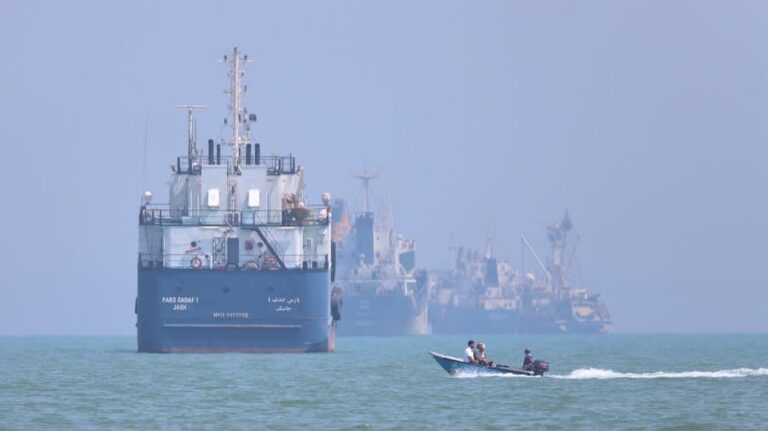
The Strait of Hormuz, which normally handles roughly one-fifth of global oil and gas shipments, has been largely blocked since US and Israeli forces launched strikes on Iran on February 28. While a temporary ceasefire took hold in April, exchanges of fire resumed in early June after the Islamic Revolutionary Guard Corps attempted to stop tankers from crossing under US military escort.britannica
Wright, speaking at an Atlantic Council event on Tuesday, acknowledged it would take “many months” to restore normal flows of energy and critical materials even once lasting peace is reached. The Institute for the Study of War cautioned that Iran continues to demand US concessions before any substantive negotiations over reopening the strait.understandingwar
ING revised its oil forecasts higher in late April, assuming flows through the strait will remain below pre-war levels through the end of 2026. Rystad Energy warned in late May that a full re-escalation could push Brent to $180 per barrel by August, though its base case assumes a gradual de-escalation.rystadenergy
The Brookings Institution noted that as of early June, ship traffic through the strait remains at a “near-standstill,” with only a small number of vessels passing after paying tolls to the IRGC. Whether Wright’s assessment of improving traffic translates into sustained relief for global energy markets remains to be seen.brookings